
Pain After Back Surgery: Getting Answers and a Path Forward
You went through surgery hoping for relief, and the pain is still there, or it came back. That’s frustrating and discouraging. It’s also common, and in many cases the cause can be found and treated.
What Is Failed Back Surgery Syndrome?
“Failed back surgery syndrome” is the term used when back or leg pain continues or returns after spine surgery. Many doctors now call it persistent spinal pain syndrome, because the pain doesn’t always mean the operation itself failed. Sometimes a new problem has developed, the original problem wasn’t fully addressed, or another pain source was there all along.
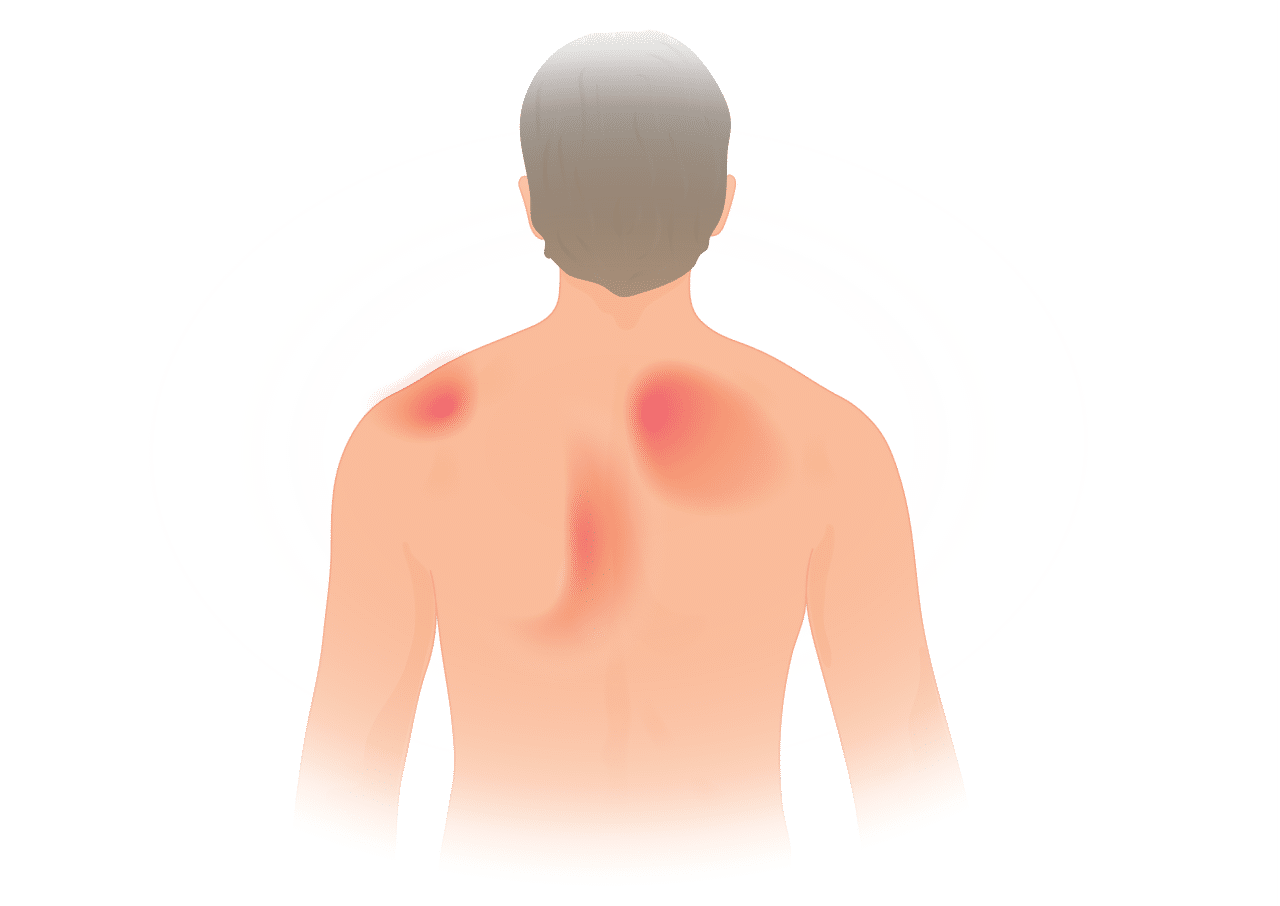
The most important step is a fresh, thorough evaluation. Once the cause is identified, options range from targeted therapy and injections to spinal cord stimulation and, when there is a structural problem, revision surgery that can often correct it.
Why Pain Can Continue After Surgery
- Recurrent disc herniation at the same level
- Remaining or new stenosis pressing on the nerves
- Adjacent segment disease: wear at the level above or below a fusion
- Instability after bone was removed
- A fusion that didn’t heal (nonunion) or loose or misplaced hardware
- Scar tissue around the nerves
- Nerve damage from long-standing compression before surgery
- A different pain source, such as the SI joint, hip or facet joints
Symptoms
- Back or leg pain that never improved after surgery
- Pain that improved and then returned weeks, months or years later
- New pain in a different area
- Numbness, tingling or weakness in the legs
- Burning or constant nerve pain
When it’s an emergency: Fever, wound drainage, new numbness in the groin, bladder or bowel changes, or sudden weakness after surgery need immediate attention. Call your surgeon or go to the emergency room.
How We Evaluate Pain After Surgery
- Your full story: what your symptoms were before surgery, how they changed afterward, and what treatments you’ve tried
- Review of prior records: operative reports and previous imaging
- New imaging: standing and bending X-rays, MRI with contrast to tell scar tissue from disc, and CT to check fusion healing and hardware
- Diagnostic injections to pinpoint the pain source
- Nerve studies when nerve damage is suspected
Treatment Options
Non-surgical treatment
- Physical therapy: rebuilding strength, flexibility and confidence in movement
- Medications: including nerve-pain medications
- Injections and radiofrequency ablation for facet, SI joint or nerve pain
- Pain psychology and coping skills
Advanced pain treatments
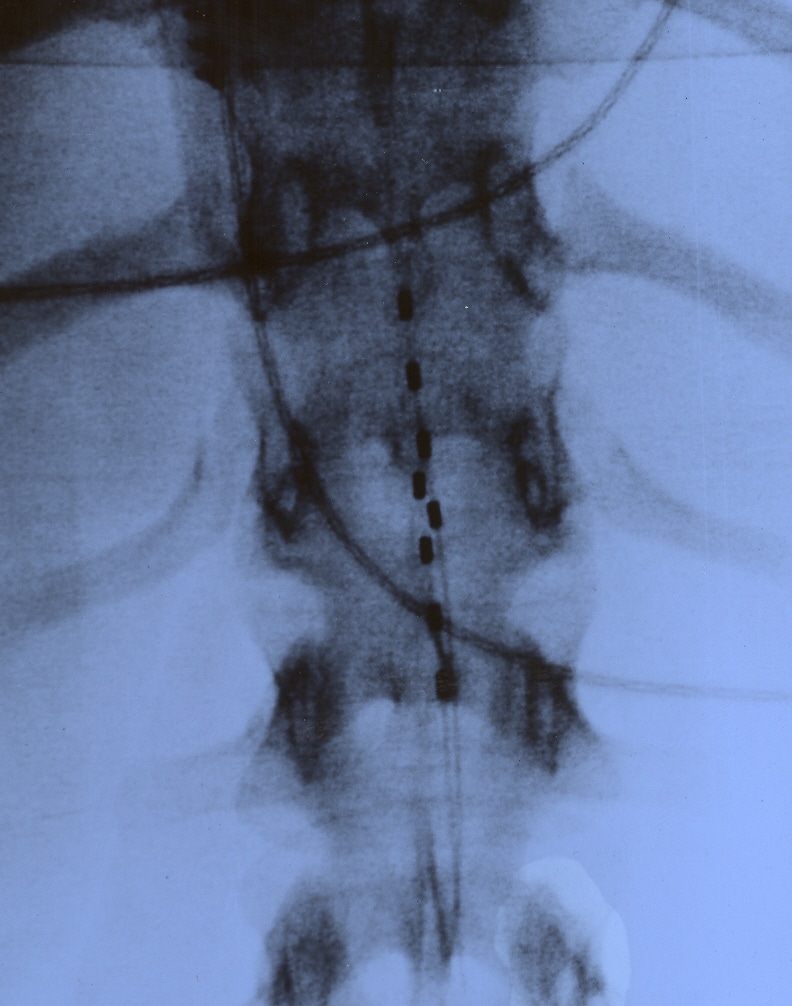
- Spinal cord stimulation: a small implanted device that sends gentle electrical signals to the spinal cord to calm nerve pain. You try it for several days before deciding on a permanent implant.
- Intrathecal pain pump: delivers small doses of medicine directly to the spinal fluid for selected patients
When revision surgery makes sense
When the evaluation shows a structural problem such as a recurrent herniation, ongoing nerve compression, instability or a fusion that didn’t heal, revision surgery can often correct it:
- Revision disc surgery for recurrent herniation
- Decompression of remaining stenosis
- Revision fusion to treat nonunion, hardware problems, instability or adjacent segment disease
Why Choose Dr. Betsy Grunch for Pain After Back Surgery
- Duke-trained: neurosurgical residency and spine research fellowship at Duke University School of Medicine, where she received the Spine Young Investigator Award
- Experience you can count on: in practice since 2013, performing 400 to 600 surgeries a year and more than 5,000 procedures over her career
- Fresh eyes: she welcomes patients who had surgery elsewhere and offers an honest second opinion and a clear plan
- The right treatment for you: board-certified (FAANS, FACS, FCNS), she starts with the least invasive option that will work, and recommends surgery when it can correct the problem
- Clear answers: known online as Ladyspinedoc, she makes sure you understand your imaging and every option in front of you
What to Expect If You Need Another Procedure
Before treatment
You’ll meet with Dr. Grunch or one of her physician assistants to review your history, prior surgery records and new imaging. Bring your operative report and any previous imaging if you have them.
Procedure day
Spinal cord stimulator trials and implants are typically outpatient. Revision surgeries vary; many involve one to three nights in the hospital.
Recovery
Recovery depends on the procedure, from a few days after a stimulator implant to several months after a revision fusion. Dr. Grunch will give you a timeline specific to your plan.
Frequently Asked Questions
Does this mean my surgeon made a mistake?
Not necessarily. Pain after surgery has many causes, including new problems that develop over time. The focus is on finding what’s causing your pain now.
I had surgery somewhere else. Can Dr. Grunch see me?
Yes. Dr. Grunch is glad to provide second opinions. Bring your records and imaging if you have them.
Will another surgery help?
It depends on the cause. When there’s a clear structural problem, revision surgery can often correct it. When pain is from nerve damage or scar tissue, treatments such as spinal cord stimulation may help more.
What is a spinal cord stimulator trial?
Thin wires are placed temporarily for several days so you can see how much the stimulation helps in daily life before choosing a permanent implant.
Is it too late to get better?
Rarely. Many patients find meaningful relief once the true source of their pain is identified, even years after their original surgery.
Take the First Step Toward Relief
Whether you need a diagnosis, a treatment plan or a second opinion, Dr. Grunch and the Southern Neurosurgery team are here to help.
Call 470-293-9800 to schedule an appointment or contact us online.
Have a question first? Ask our virtual assistant anything, 24/7.
We see patients across metro Atlanta and North Georgia at our offices in Gainesville, Sandy Springs and South Atlanta (Riverdale). Find the office nearest you.
This page is for educational purposes only and is not a substitute for medical advice. If you have sudden weakness, numbness in the groin, or bladder or bowel changes, call 911 or go to the nearest emergency room.