
Sacroiliac (SI) Joint Pain: The Overlooked Cause of Low Back Pain
If your pain sits low, below your belt line, on one side, and nothing aimed at your back has helped, the problem may be your SI joint. It’s commonly missed, and very treatable once found.
What Is Sacroiliac Joint Dysfunction?
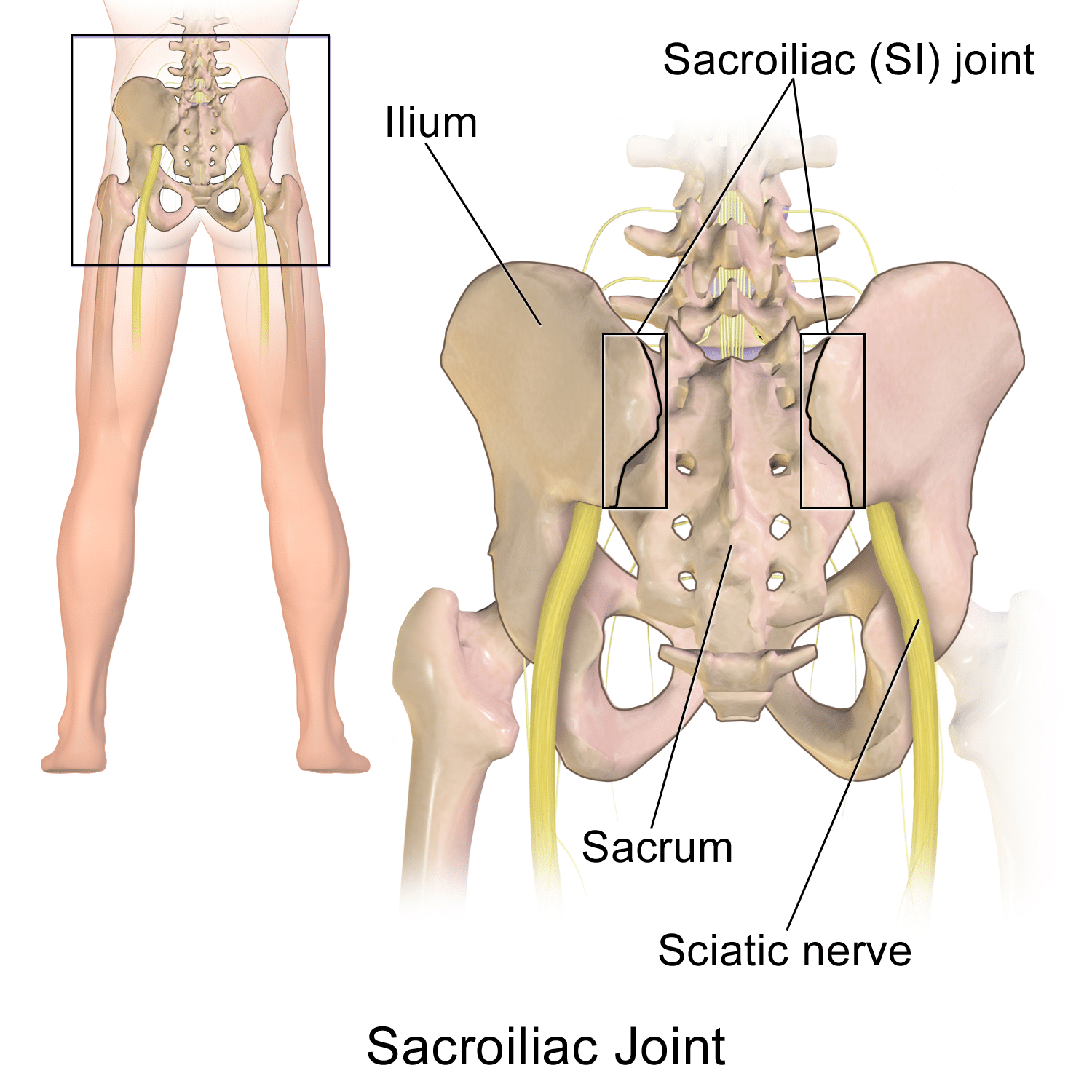
Your sacroiliac (SI) joints connect the base of your spine (the sacrum) to your pelvis, one on each side. They’re strong, stable joints that move only a little, absorbing and transferring the forces between your upper body and your legs.
SI joint dysfunction happens when one or both joints become painful because they move too much, too little, or become inflamed or arthritic. It is a frequent but often overlooked source of chronic low back and buttock pain, and it is commonly mistaken for a disc problem or sciatica.
Most people improve with physical therapy, a support belt or injections. For those who don’t, minimally invasive SI joint fusion can stabilize the joint and correct the problem.
What’s Happening in Your SI Joint
- Too much movement (hypermobility): often after pregnancy, injury or ligament laxity
- Too little movement (stiffness): from arthritis
- Inflammation (sacroiliitis): from injury or inflammatory conditions such as ankylosing spondylitis
- Extra stress after a lumbar fusion, which shifts motion down to the SI joints
Symptoms
Common symptoms
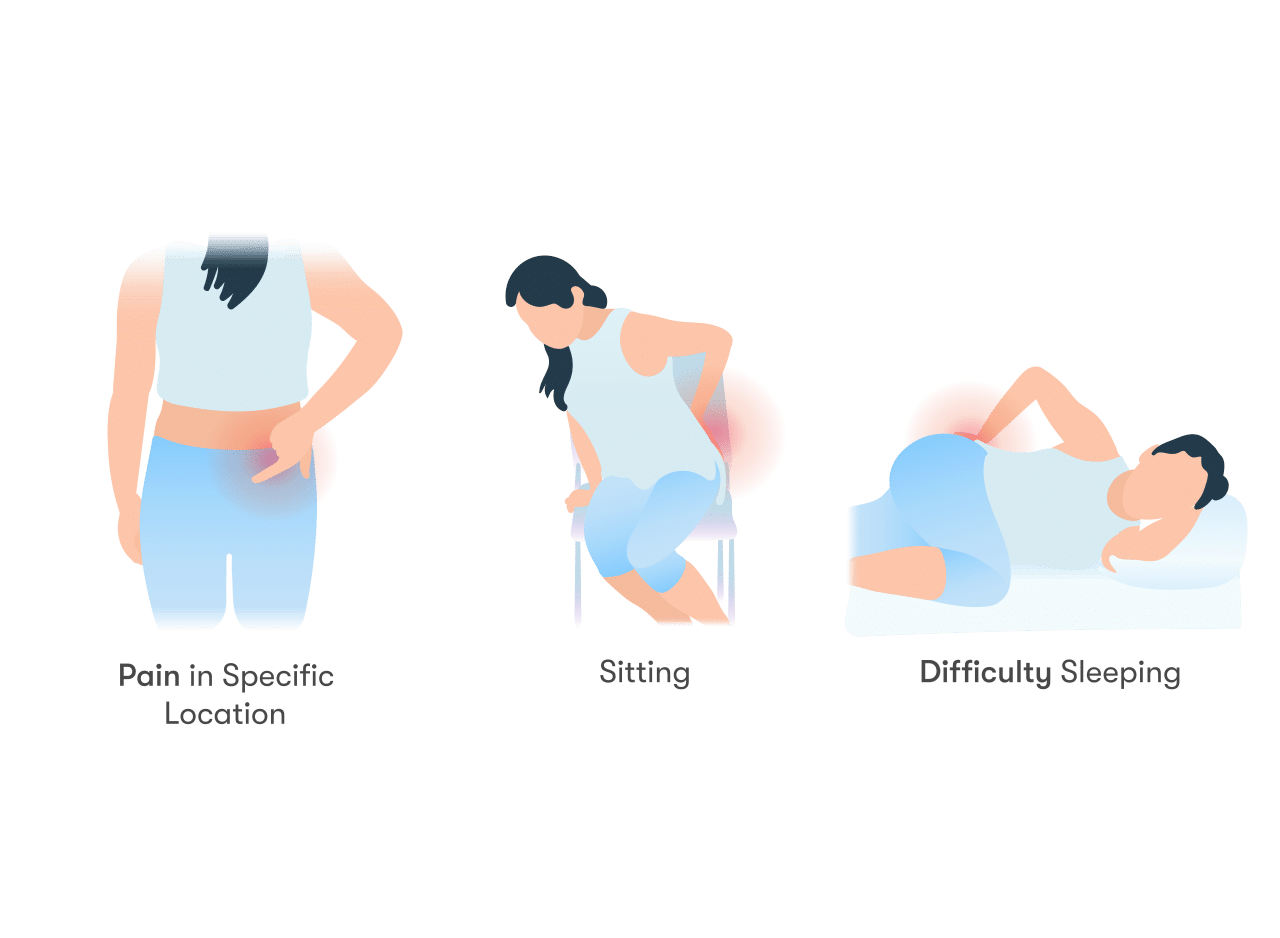
- Pain in the low back or buttock, usually on one side, below the belt line
- Pain that can spread into the hip, groin or back of the thigh
- Pain with sitting for long periods, especially on the affected side
- Pain going up stairs, getting out of a car or standing on one leg
Symptoms patients often ignore
- Pointing to one spot just beside the dimple at the base of the spine when asked where it hurts
- Sitting with weight shifted to one side
- Pain that started or worsened after pregnancy or a previous lumbar fusion
- A feeling of the leg “giving way”
Pain, numbness or weakness that travels below the knee is more typical of a pinched nerve and needs its own evaluation.
Causes and Risk Factors
- Pregnancy and childbirth
- Previous lumbar fusion
- Falls or injuries to the buttock or pelvis
- Arthritis, including inflammatory arthritis
- Leg-length differences or an altered walking pattern
How We Diagnose SI Joint Dysfunction
- Detailed history and exam: including specific hands-on tests that stress the SI joint to see if they reproduce your pain
- Imaging: X-rays, CT or MRI of the pelvis and spine to look for arthritis or inflammation and rule out other causes
- Diagnostic SI joint injection: numbing medicine is placed into the joint under imaging guidance. Significant short-term relief confirms the SI joint as the pain source.
- Evaluation of the lower spine and hips, since these often cause similar pain
In these videos, Dr. Grunch explains how SI joint pain is diagnosed and treated, and walks through a real patient’s case:

Sacroiliac joint pain: diagnosis and treatment explained by Dr. Betsy Grunch

Case study 125: sacroiliac joint pain, explained by Dr. Grunch
Treatment Options
Non-surgical treatment comes first
- Physical therapy: core, hip and pelvic stabilization exercises
- SI belt: a support belt that stabilizes the joint during activity
- Medications: anti-inflammatories
- SI joint steroid injections for longer-lasting relief
- Radiofrequency ablation of the small nerves supplying the joint, for selected patients
When surgery makes sense
When SI joint pain is confirmed and persists despite good conservative care, surgery can often correct the problem:
- Minimally invasive SI joint fusion: small implants are placed across the joint through a small incision to stabilize it and allow it to fuse. Most patients have significant pain relief.
Why Choose Dr. Betsy Grunch for SI Joint Pain
- Duke-trained: neurosurgical residency and spine research fellowship at Duke University School of Medicine, where she received the Spine Young Investigator Award
- Experience you can count on: in practice since 2013, performing 400 to 600 surgeries a year and more than 5,000 procedures over her career
- Looking beyond the spine: she evaluates the SI joints and hips as well as the spine, so the true source of your pain isn’t missed
- The right treatment for you: board-certified (FAANS, FACS, FCNS), she starts with the least invasive option that will work, and recommends surgery when it can correct the problem
- Clear answers: known online as Ladyspinedoc, she makes sure you understand your imaging and every option in front of you
What to Expect If You Need Surgery
Before surgery
You’ll meet with Dr. Grunch or one of her physician assistants to review your exam, imaging and injection results. Our team coordinates pre-operative testing and reviews your medications.
Procedure day
Minimally invasive SI joint fusion typically takes about an hour. SI joint fusion is an outpatient procedure, and you go home the same day.
Recovery timeline
- Weeks 1-3: walking with a walker or crutches to limit weight on the treated side, as directed
- Weeks 2-4: many desk workers return to work
- Weeks 4-12: physical therapy and gradual return to full activity
- Months 3-6: the joint continues to fuse and pain continues to improve
Frequently Asked Questions
How do I know if my pain is from my SI joint or my back?
SI pain is usually below the belt line on one side, near the dimple at the base of the spine, and worse with sitting, stairs or standing on one leg. A diagnostic SI joint injection is the most reliable way to confirm it.
Can SI joint pain cause sciatica?
It can cause pain into the buttock and back of the thigh that feels similar to sciatica, but it usually doesn’t cause numbness or weakness below the knee.
I had a lumbar fusion. Could this be my SI joint?
Yes. SI joint pain is more common after a lumbar fusion because more motion and stress shift to the SI joints.
Will an SI belt help?
For many people, yes, especially during walking and activity. It works best combined with physical therapy.
How successful is SI joint fusion?
For carefully selected patients with confirmed SI joint pain, minimally invasive fusion provides meaningful, lasting pain relief for most.
Take the First Step Toward Relief
Whether you need a diagnosis, a treatment plan or a second opinion, Dr. Grunch and the Southern Neurosurgery team are here to help.
Call 470-293-9800 to schedule an appointment or contact us online.
Have a question first? Ask our virtual assistant anything, 24/7.
We see patients across metro Atlanta and North Georgia at our offices in Gainesville, Sandy Springs and South Atlanta (Riverdale). Find the office nearest you.
This page is for educational purposes only and is not a substitute for medical advice. If you have sudden weakness, numbness in the groin, or bladder or bowel changes, call 911 or go to the nearest emergency room.