
Spinal Stenosis Treatment: Walk, Stand and Move Comfortably Again
If you have to sit down after a few minutes of walking, or lean on the shopping cart to get through the store, spinal stenosis may be the reason. It’s very treatable.
What Is Spinal Stenosis?
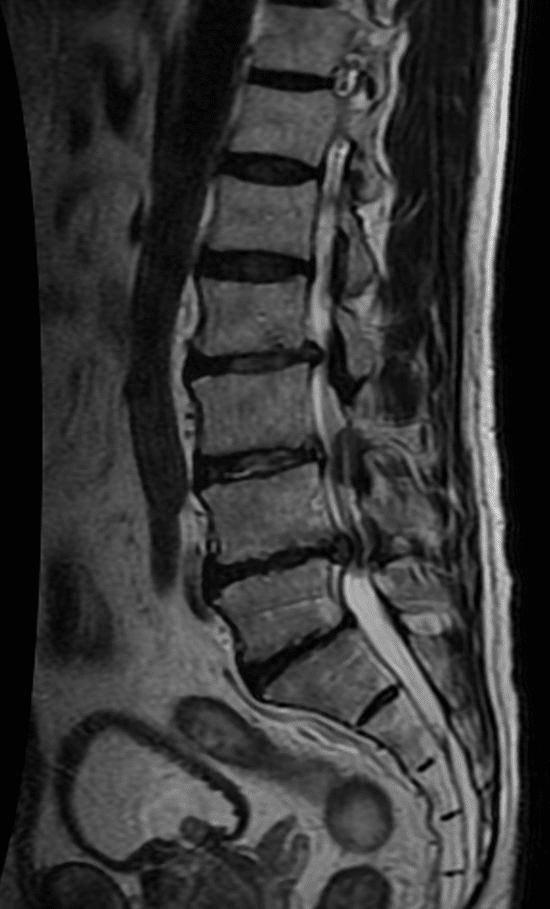
Spinal stenosis means the spaces inside your spine have become narrow. Your spinal canal is a tunnel that protects the spinal cord and nerves. Over time, arthritis, thickened ligaments, bulging discs and bone spurs can slowly crowd that tunnel and squeeze the nerves inside it.

Stenosis can happen anywhere in the spine. It is most common in the lower back (lumbar stenosis), where it causes leg pain and heaviness with walking. In the neck (cervical stenosis), it can press on the spinal cord itself and affect your hands and balance. It is less common in the mid-back (thoracic stenosis).
Stenosis usually develops gradually with age, and many people have it on an MRI without symptoms. When it does cause symptoms, treatment ranges from physical therapy and injections to minimally invasive surgery that opens the canal and gives the nerves room again.
What’s Happening in Your Spine
Three changes usually work together to narrow the canal:
- Thickened ligament: the ligamentum flavum, which lines the back of the canal, thickens and buckles inward
- Facet joint arthritis: the small joints at the back of the spine enlarge and form bone spurs
- Disc bulging: worn discs lose height and bulge into the front of the canal
When the nerve exits are narrowed rather than the central canal, it’s called foraminal stenosis. A slipped vertebra (spondylolisthesis) can make stenosis worse.

Symptoms of Spinal Stenosis
Lumbar (lower back) stenosis
- Pain, aching, heaviness or cramping in the buttocks and legs when standing or walking
- Relief when you sit down or bend forward
- Numbness or tingling in the legs or feet
- Low back pain and stiffness
Cervical (neck) stenosis
- Neck pain and stiffness, or pain radiating into the arms
- Numbness, tingling or clumsiness in the hands
- Dropping things, trouble with buttons or handwriting
- Problems with balance or a change in how you walk
Symptoms patients often ignore
- Walking shorter and shorter distances before needing to rest
- Leaning on a shopping cart or walker without realizing why it helps
- Legs that feel “rubbery” or tired rather than painful
- Gradual clumsiness in the hands that seems like normal aging
When it’s an emergency: Call 911 or go to the nearest emergency room if you develop new bladder or bowel problems, numbness in the groin, or rapidly worsening weakness in your arms or legs.
Causes and Risk Factors
Most spinal stenosis is caused by age-related wear and tear, and it is most common after age 50. Other contributors include:
- Arthritis of the spine (spinal osteoarthritis)
- Being born with a narrower spinal canal
- Spondylolisthesis or scoliosis
- Previous spine injury or surgery
- Less commonly, tumors, cysts or conditions such as OPLL
How We Diagnose Spinal Stenosis
- Detailed history and exam: how far you can walk, what brings relief, and a neurological check of strength, reflexes, sensation and balance
- MRI: the best test to see how narrow the canal is and which nerves are affected
- X-rays with bending views: to check alignment and look for slipping or instability
- CT or CT myelogram: for bone detail or when MRI isn’t possible
- Other tests when needed: EMG/nerve studies, and vascular testing to rule out poor leg circulation, which can cause similar leg pain with walking
Treatment Options
Non-surgical treatment comes first
- Physical therapy: core strengthening and flexion-based exercises that open the canal; a stationary bike is often easier than walking
- Medications: anti-inflammatories and nerve-pain medications
- Epidural steroid injections: can reduce inflammation and extend how far you can walk
- Activity changes and weight management: to reduce load on the spine
When surgery makes sense
Surgery is considered when symptoms keep you from walking, working or enjoying life despite conservative care, or when there are signs of spinal cord compression or worsening weakness. For lumbar stenosis, surgery is very effective at improving leg pain and walking distance.
Dr. Grunch specializes in minimally invasive spine surgery, which opens the narrowed canal through small incisions while preserving the muscles and stabilizing structures of the spine. Options include:
- Minimally invasive laminotomy and laminectomy: remove the bone spurs and thickened ligament compressing the nerves
- Foraminotomy: widens the openings where individual nerves exit
- Minimally invasive fusion: added when stenosis comes with a slipped or unstable vertebra
- Cervical procedures: ACDF, cervical disc replacement or cervical laminectomy, depending on where the cord is compressed
Why Choose Dr. Betsy Grunch for Spinal Stenosis
- Duke-trained: neurosurgical residency and spine research fellowship at Duke University School of Medicine, where she received the Spine Young Investigator Award
- Experience you can count on: in practice since 2013, performing 400 to 600 surgeries a year and more than 5,000 procedures over her career
- Minimally invasive decompression: opening the canal without unnecessary muscle damage, which matters for faster recovery at any age
- Fusion only when needed: board-certified (FAANS, FACS, FCNS), she recommends the smallest operation that will solve the problem
- Clear explanations: known online as Ladyspinedoc, she will walk you through your MRI so you understand exactly where the narrowing is
What to Expect If You Need Surgery
Before surgery
You’ll meet with Dr. Grunch or one of her physician assistants to review your imaging and plan the right procedure. Our team coordinates pre-operative testing, including any clearance you need from your primary care doctor or cardiologist, and reviews your medications.
Procedure day
A minimally invasive decompression typically takes one to three hours depending on how many levels are involved. Many patients go home the same day or after one night. Fusion procedures usually involve a short hospital stay.
Recovery timeline
- Day 1: up and walking, often farther than before surgery
- Weeks 1-2: daily walks that gradually get longer
- Weeks 2-6: avoid heavy lifting, bending and twisting; many return to desk work
- Weeks 6-12: physical therapy and return to most normal activities
- Months 3-6: continued improvement in endurance and nerve symptoms
Fusion recovery takes longer, and your timeline will be tailored to your procedure.
Frequently Asked Questions
Will spinal stenosis get worse over time?
Stenosis tends to progress slowly, and many people stay stable for years. Symptoms can come and go. Steadily worsening walking distance, weakness or hand clumsiness are signs to see a spine surgeon.
Why does sitting or leaning forward help?
Bending forward slightly opens up the spinal canal and takes pressure off the nerves. Standing straight or leaning back narrows it again, which is why walking upright brings on symptoms.
Am I too old for surgery?
Age alone is rarely the deciding factor. Minimally invasive decompression is commonly and safely performed in patients in their 70s and 80s. Your overall health and goals matter more than the number.
Do I need a fusion?
Not necessarily. Many patients do very well with decompression alone. A fusion is recommended only when the spine is unstable or a vertebra has slipped, and Dr. Grunch will explain why if she recommends one.
Is neck stenosis more serious than lower back stenosis?
It can be. Stenosis in the neck can compress the spinal cord, causing a condition called cervical myelopathy. Hand clumsiness, balance problems or a change in your walking should be evaluated promptly.
Take the First Step Toward Relief
You shouldn’t have to plan your day around how far you can walk. Whether you need a diagnosis, a treatment plan or a second opinion, Dr. Grunch and the Southern Neurosurgery team are here to help.
Call 470-293-9800 to schedule an appointment or contact us online.
Have a question first? Ask our virtual assistant anything, 24/7.
We see patients across metro Atlanta and North Georgia at our offices in Gainesville, Sandy Springs and South Atlanta (Riverdale). Find the office nearest you.
This page is for educational purposes only and is not a substitute for medical advice. If you have bladder or bowel changes, groin numbness or rapidly worsening weakness, call 911 or go to the nearest emergency room.