
Targeted Relief for Severe Chronic Pain
When severe chronic pain hasn’t responded to other treatments, or pain pills cause side effects you can’t live with, an intrathecal pain pump can deliver relief directly where it’s needed, using a tiny fraction of the medicine.
What Is an Intrathecal Pain Pump?
An intrathecal pain pump (also called an intrathecal drug delivery system) is a small, round device about the size of a hockey puck. It is placed under the skin of the abdomen and connected to a thin, flexible tube called a catheter. The catheter runs under the skin to the spine, where it delivers pain medicine directly into the fluid that surrounds the spinal cord. This space is called the intrathecal space.
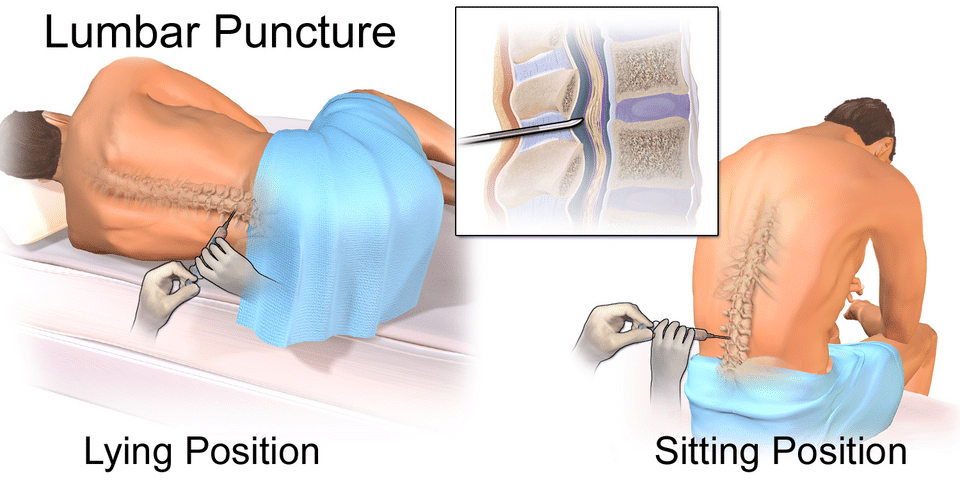
Because the medicine goes straight to the spinal cord, where pain signals travel to the brain, a very small dose can be far more effective than pills. A pump can use a few hundred times less medicine than the same drug taken by mouth. That often means better pain control with less drowsiness, constipation and other side effects.
The pump is programmed to release a precise amount of medicine around the clock. Some pumps also let you give yourself a small extra dose for breakthrough pain, within safe limits set by your care team.
Who Needs a Pain Pump?
An intrathecal pain pump may be an option if you have:
- Severe chronic pain that hasn’t improved with medications, physical therapy, injections or surgery
- Pain medicine side effects, such as sleepiness, nausea or constipation, that you can no longer tolerate
- Chronic pain after back surgery (failed back surgery syndrome)
- Neuropathic (nerve) pain or complex regional pain syndrome (CRPS)
- Cancer-related pain, including pain from tumors that have spread to the spine
Before recommending a pump, Dr. Grunch will review all of your treatment options, including a spinal cord stimulator, which uses gentle electrical signals instead of medicine.
Step One: The Trial
Before a permanent pump is placed, you’ll have a trial to see how well intrathecal medicine works for you. A small test dose is placed into the spinal fluid through a thin needle in your lower back, or through a temporary catheter. You’re then monitored for several hours to a few days while your pain and any side effects are tracked.
If the trial significantly reduces your pain, usually by about half or more, you and Dr. Grunch can decide together whether to move forward with a permanent pump.
How the Pump Is Placed
Placing the permanent pump usually takes one to two hours:
- Anesthesia: You’ll be asleep under general anesthesia.
- Placing the catheter: Through a small incision in the lower back and using X-ray guidance, Dr. Grunch guides the thin catheter into the spinal fluid space to the right level of the spine.
- Creating the pocket: A second small incision is made in the abdomen, and a pocket is created under the skin to hold the pump.
- Connecting the system: The catheter is passed under the skin around your side and connected to the pump. Nothing is left outside your body.
- Filling and programming: The pump is filled with medicine and programmed with a wireless programmer before you wake up.
Pump Refills, Exchanges and Removal
Refills
The pump holds a reservoir of medicine that needs to be refilled, usually every one to six months depending on your dose. Refills are quick office visits: a needle is placed through the skin into the pump’s refill port, and the old medicine is replaced. Your dose can be adjusted at the same visit with the programmer. Keeping every refill appointment is very important. Running out of medicine can cause withdrawal symptoms and a return of severe pain.
Pump exchange
Programmable pumps run on a battery that typically lasts about five to seven years. As the battery nears the end of its life, the pump sounds an alarm well before it stops, and the pump is replaced in a planned outpatient procedure. The old pump is removed through the same incision, and a new one is connected. In most cases the catheter in the spine is left in place and does not need to be replaced.
An exchange may also be needed if the pump or catheter stops working properly, for example if the catheter kinks, moves out of position or leaks.
Pump removal
A pump may be removed if:
- Your pain has improved and you no longer need it
- The medicine no longer controls your pain well enough
- There is an infection around the pump or catheter
- The device isn’t working and replacement isn’t the right choice
Removal is usually an outpatient procedure. If the pump is being removed, your medications are carefully adjusted beforehand so you don’t experience withdrawal.
Benefits and Risks
Benefits
- Strong pain relief using a very small dose of medicine
- Fewer side effects than oral pain medications for many patients
- A dose that can be adjusted without another surgery
- The ability to stop and remove the system if it’s no longer needed
Risks
- Infection at the pump or catheter site
- Spinal fluid leak, which can cause a headache that is worse when sitting or standing
- Catheter problems, such as kinking, moving out of place or disconnecting
- A small inflammatory mass that can form at the tip of the catheter over time
- Medication side effects or, rarely, an overdose from a programming or refill error
- Withdrawal symptoms if the pump runs out of medicine or stops working
Call 911 or go to the nearest emergency room if you have extreme sleepiness, slowed breathing or confusion, or new weakness or numbness in your legs. Call the office right away for fever, redness or drainage at an incision, or if your pump alarm sounds.
Why Choose Dr. Betsy Grunch for Your Pain Pump
- Duke-trained: Dr. Grunch completed her neurosurgical residency and a spine research fellowship at Duke University School of Medicine, one of the top neurosurgery programs in the country, where she received the Spine Young Investigator Award.
- Every option for chronic pain: She treats neuropathic pain and CRPS with spinal cord stimulators, pain pumps and nerve decompression, so your recommendation is based on what fits you, not on a single tool.
- The whole life of your device: She handles trials, placement, exchanges and removal, so you have one surgeon who knows your system.
- Experience you can count on: She has been in practice since 2013 and performs 400 to 600 surgeries a year, more than 5,000 procedures over her career.
- A teacher at heart: As “Ladyspinedoc,” she is known for explaining complex treatments clearly, so you’ll understand how your pump works and how to live well with it.
What to Expect
Before surgery
You’ll meet with Dr. Grunch or one of her physician assistants to review your pain history and past treatments, and to plan your trial. Many patients also have a psychological evaluation before an implanted pain device, which is standard practice and often required by insurance. Our team will review your medications, including blood thinners you may need to pause, and walk you through each step.
Procedure day
Many patients stay one night in the hospital after the pump is placed so their pain, medicine dose and incisions can be checked. Pump exchanges and removals are usually outpatient procedures.
Recovery timeline
- First two weeks: Expect soreness at the back and abdominal incisions. Avoid bending, lifting and twisting so the catheter can settle into place.
- Two to six weeks: Gradually increase your activity. Your first refill or dose adjustment visit is scheduled during this time.
- Six weeks and beyond: Most patients return to normal activities. Your dose will be fine-tuned over the first few months to find the right balance of relief and side effects.
Every patient heals differently. Your exact timeline will depend on your condition and your overall health.
Frequently Asked Questions
Will people be able to see the pump?
The pump sits under the skin of the abdomen. You may see or feel a small bump, but it’s usually hidden by clothing.
Can I have an MRI with a pain pump?
Many pumps are MRI-conditional, which means MRI is possible with precautions. Programmable pumps can pause during an MRI, so the pump needs to be checked afterward. Always tell your doctors and the MRI team that you have a pump, and carry your device ID card.
Will I become addicted to the medicine in the pump?
The doses in a pump are very small, and the medicine goes directly to the spinal cord rather than through the bloodstream. Your body does become used to the medicine, which is why refills must never be missed, but the pump is closely monitored and adjusted by your care team.
Can I travel with a pain pump?
Yes. Carry your device ID card, plan your trips around refill dates, and let airport security know you have an implanted device.
What happens when the battery runs low?
The pump gives an alarm months before the battery runs out, so there’s time to schedule an exchange. The new pump is placed through the same incision, usually in an outpatient procedure.
Take the First Step Toward Relief
Living with severe chronic pain is exhausting, and you deserve a surgeon who will look at every option with you. Dr. Grunch and the Southern Neurosurgery team are here to help.
Call 470-293-9800 to schedule an appointment or contact us online.
Have a question first? Ask our virtual assistant anything, 24/7.
We see patients across metro Atlanta and North Georgia at our offices in Gainesville, Sandy Springs and South Atlanta (Riverdale). Find the office nearest you.
Related pages: Neuropathic pain · CRPS · Failed back surgery syndrome · Spinal cord stimulator implantation · Stimulator exchanges or removal
This page is for educational purposes only and is not medical advice. It does not replace individualized care from a licensed physician. Please talk with your own doctor about your symptoms and treatment.