
Chronic Low Back Pain: Finding the Cause and the Right Fix
Back pain that has lasted months can wear down your patience, your sleep and your hope. The first step toward relief is an honest answer about what’s causing it, and whether surgery would actually help.
What Is Chronic Low Back Pain?
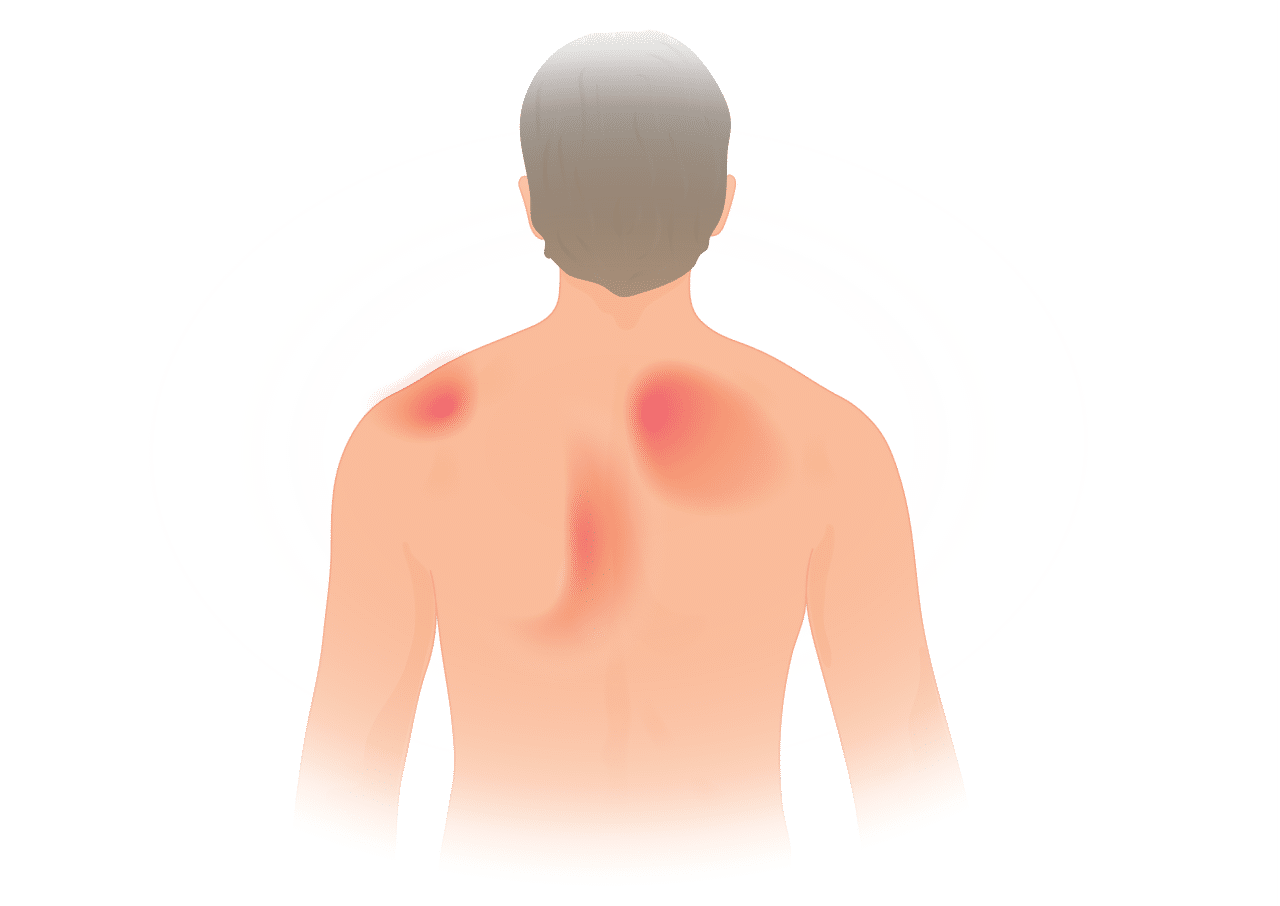
Chronic low back pain is pain in the lower back that lasts longer than about three months. It is one of the most common reasons people see a doctor, and one of the leading causes of missed work.
“Chronic low back pain” describes a symptom, not a single diagnosis. The pain can come from discs, joints, muscles, nerves or the sacroiliac (SI) joints where the spine meets the pelvis. Most chronic back pain is not dangerous. Many people improve with targeted non-surgical treatment, and when a structural problem such as a worn disc, a slipped vertebra or instability is causing the pain, surgery can often correct it.
Dr. Grunch’s goal is to find the true source of your pain and match you to the treatment most likely to work, whether that’s physical therapy, an injection or a procedure that fixes the underlying problem.
What Can Cause Chronic Back Pain
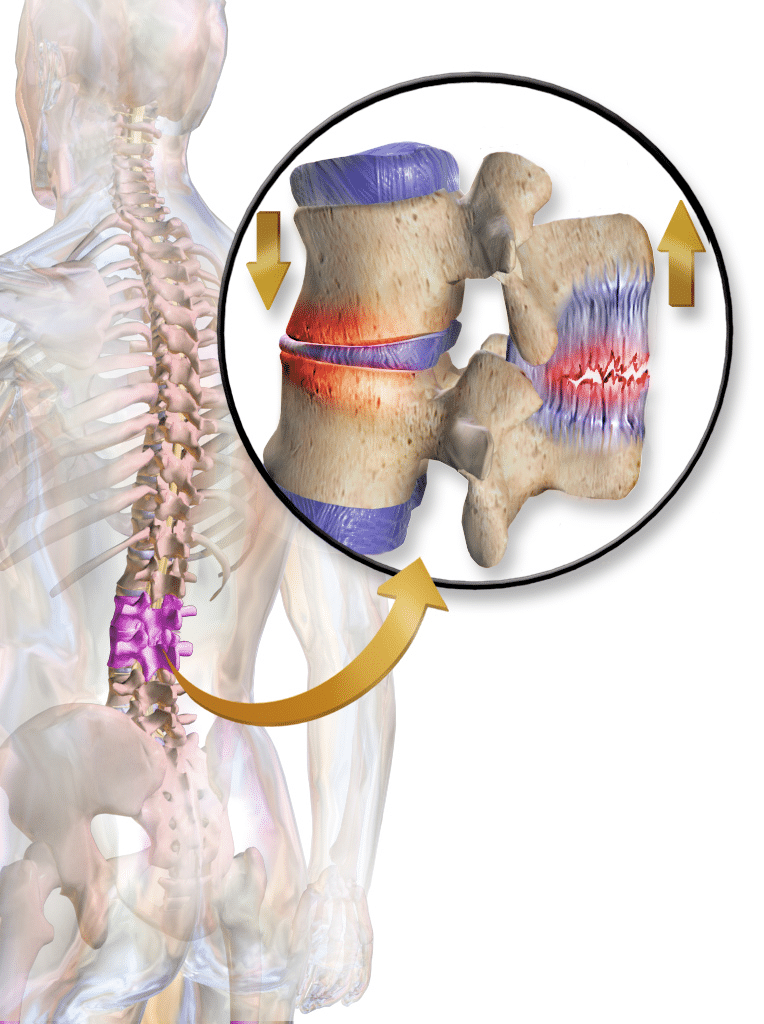
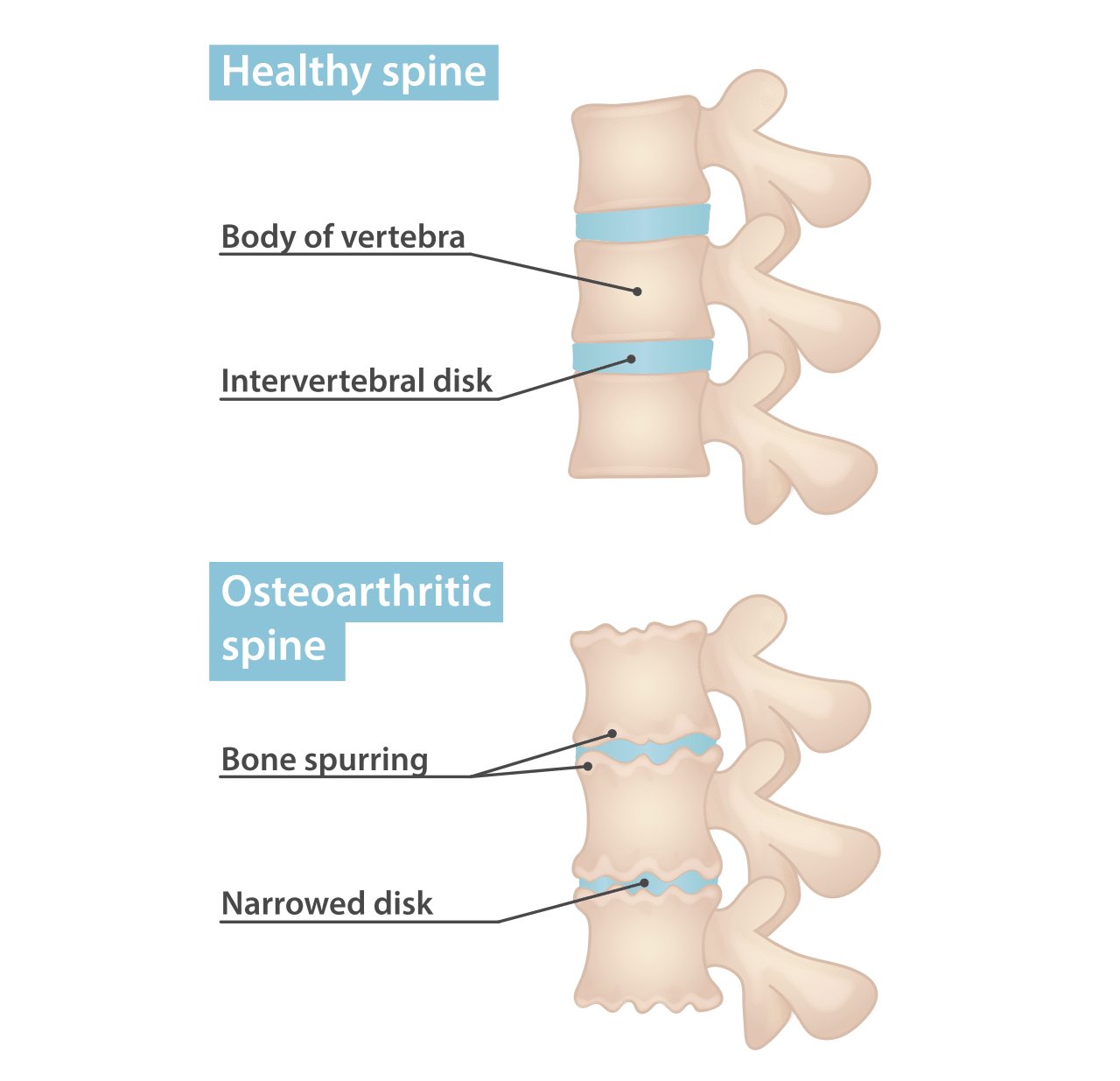
- Disc degeneration and discogenic pain: worn discs that become painful
- Facet joint arthritis: the small joints at the back of the spine
- Sacroiliac joint dysfunction: pain where the spine meets the pelvis
- Spondylolisthesis or spinal instability: vertebrae that slip or move too much
- Spinal stenosis: narrowing that also causes leg symptoms
- Muscle and soft-tissue strain, deconditioning and posture
- Pain after previous surgery (failed back surgery syndrome)
Symptoms
Common patterns
- A deep ache in the lower back that may spread into the buttocks or hips
- Pain with sitting, bending, lifting or standing for long periods
- Morning stiffness that loosens with movement
- Flares that come and go
Signs that point to a nerve problem
- Pain, numbness or tingling that travels below the knee
- Leg weakness or a foot that catches when you walk
- Leg pain with walking that eases when you sit
Red flags: Back pain with fever, unexplained weight loss, a history of cancer, a recent significant fall or injury, or new bladder or bowel problems needs prompt medical attention. Call 911 or go to the nearest emergency room for bladder or bowel changes, groin numbness or weakness in both legs.
Risk Factors
- Age and family history
- Excess body weight and low physical activity
- Smoking
- Jobs with heavy lifting, vibration or prolonged sitting
- Poor sleep, stress and depression, which can amplify pain
How We Find the Source of Your Pain
- A thorough history and exam: including how pain started, what makes it better or worse, and tests of the spine, hips and SI joints
- X-rays with bending views: show alignment, disc height and instability
- MRI: shows discs, joints and nerves
- Diagnostic injections: numbing a specific facet joint, SI joint or nerve can confirm whether it is the pain source
- Review of previous treatments: what has and hasn’t helped guides what comes next
Treatment Options
Non-surgical treatment comes first
- Active physical therapy and exercise: core strengthening, flexibility and conditioning are the most proven treatments for chronic back pain
- Weight management, sleep and quitting smoking
- Medications: anti-inflammatories and, in some cases, nerve-pain medications
- Injections and procedures: facet injections, radiofrequency ablation (which quiets the small nerves to painful joints), SI joint injections and epidural injections
- Pain psychology and coping skills: proven to reduce pain and improve function
When surgery makes sense
When your exam and imaging point to a structural cause that hasn’t improved with conservative care, surgery can often correct it and relieve the pain. Depending on the cause, options include:
- Lumbar artificial disc replacement: for selected patients with pain from one or two worn discs, preserving motion
- Minimally invasive fusion: for instability, spondylolisthesis or advanced disc and joint disease
- Sacroiliac joint fusion: for confirmed SI joint pain
- Decompression: when stenosis or a pinched nerve is part of the picture
Why Choose Dr. Betsy Grunch for Chronic Low Back Pain
- Duke-trained: neurosurgical residency and spine research fellowship at Duke University School of Medicine, where she received the Spine Young Investigator Award
- Experience you can count on: in practice since 2013, performing 400 to 600 surgeries a year and more than 5,000 procedures over her career
- Clear recommendations: when a structural problem is behind your pain, she will explain how surgery can correct it, and when another treatment is the better first step
- Surgery only when it helps: board-certified (FAANS, FACS, FCNS), she starts with the least invasive treatment that will work
- Clear answers: known online as Ladyspinedoc, she makes sure you understand your imaging and every option in front of you
What to Expect If You Need Surgery
Before surgery
You’ll meet with Dr. Grunch or one of her physician assistants to review your imaging, diagnostic injection results and goals. Our team coordinates pre-operative testing and reviews your medications.
Procedure day
Most lumbar disc replacements and minimally invasive fusions involve one to two nights in the hospital. SI joint fusion is often outpatient or a single overnight stay.
Recovery timeline
- Day 1: up and walking
- Weeks 1-2: walking several times a day
- Weeks 2-6: many desk workers return to work; no heavy lifting
- Months 2-3: physical therapy and gradual return to activity
- Months 3-12: continued improvement as healing and fusion progress
Frequently Asked Questions
Can surgery fix chronic back pain?
Often, yes. When a specific structural cause is found, such as a painful worn disc, a slipped vertebra, instability or SI joint dysfunction, surgery can correct the problem and relieve the pain. Dr. Grunch will review your imaging and give you an honest recommendation about whether surgery is right for you.
My MRI shows “degeneration everywhere.” Is that why I hurt?
Not necessarily. Disc and joint wear is very common, even in people without pain. The key is matching what you feel to what’s on the scan, sometimes with diagnostic injections.
Could my pain be coming from my hip or SI joint?
Yes. Hip arthritis and SI joint dysfunction often mimic back pain. A careful exam and targeted injections help tell them apart.
Is it safe to exercise with back pain?
For most people, yes. Staying active is one of the best treatments. A physical therapist can guide you to safe, effective exercises.
I already had back surgery and still hurt. Can you help?
Often, yes. Persistent pain after surgery has many possible causes, from a new problem at another level to instability or scar tissue. A fresh evaluation and second opinion can clarify your options.
Take the First Step Toward Relief
Whether you need a diagnosis, a treatment plan or a second opinion, Dr. Grunch and the Southern Neurosurgery team are here to help.
Call 470-293-9800 to schedule an appointment or contact us online.
Have a question first? Ask our virtual assistant anything, 24/7.
We see patients across metro Atlanta and North Georgia at our offices in Gainesville, Sandy Springs and South Atlanta (Riverdale). Find the office nearest you.
This page is for educational purposes only and is not a substitute for medical advice. If you have bladder or bowel changes, groin numbness or weakness in both legs, call 911 or go to the nearest emergency room.