
Degenerative Disc Disease: Real Answers for Worn-Out Discs
“Degenerative disc disease” sounds like a diagnosis that only gets worse. In reality, it describes normal wear in the spine, and most people with it can live active, comfortable lives.
What Is Degenerative Disc Disease?
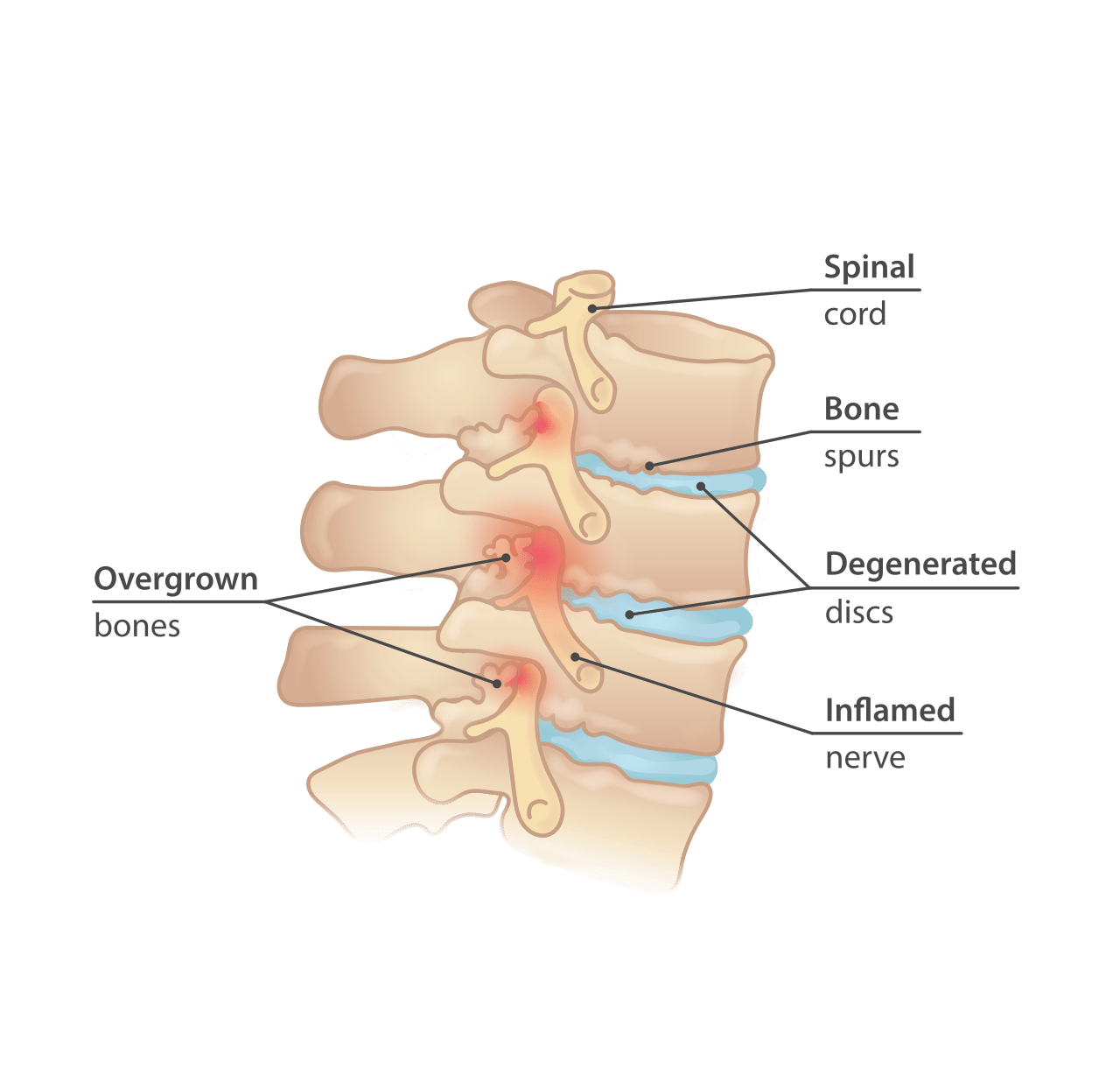
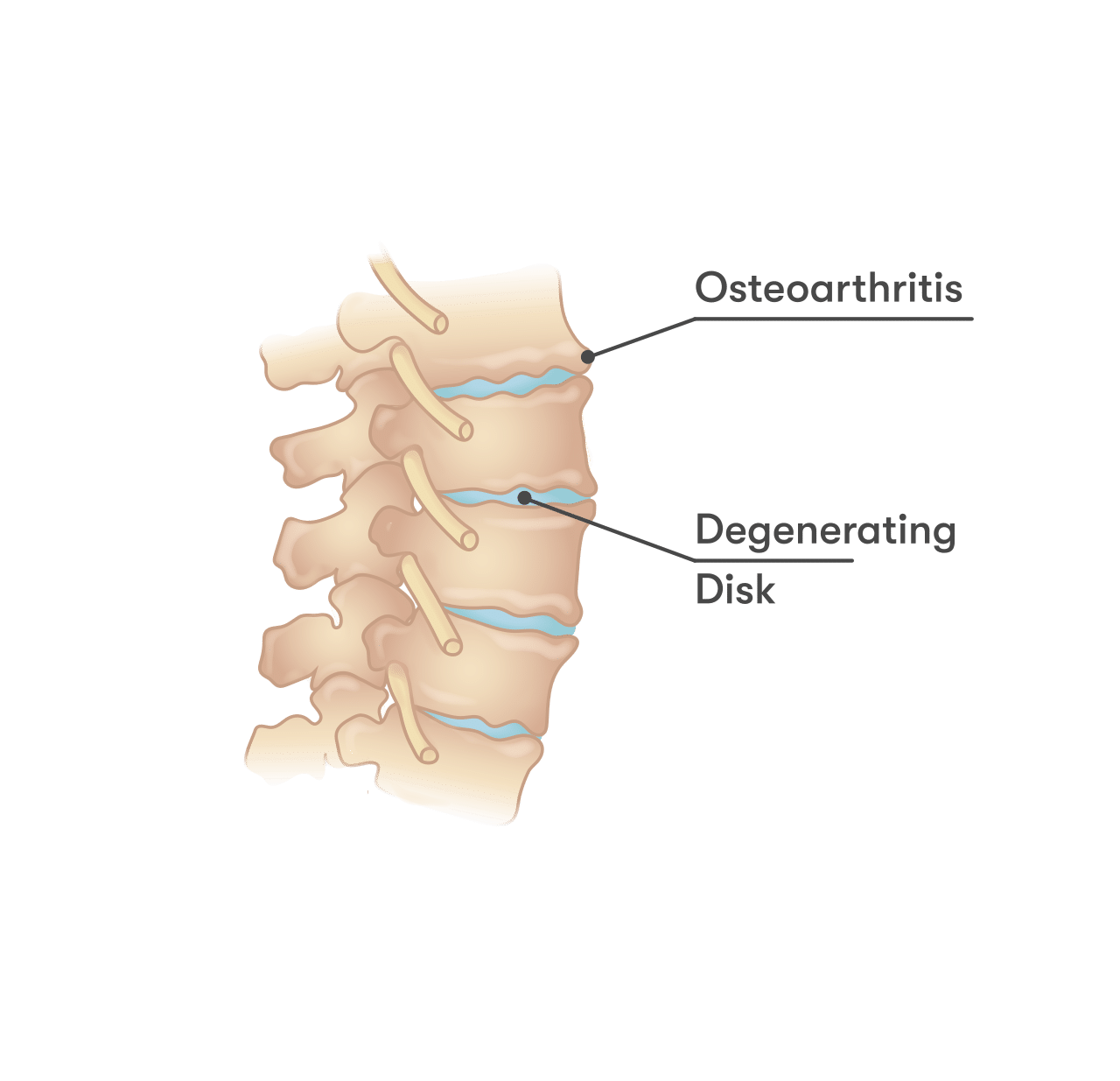
Between each vertebra in your spine sits a disc, a cushion with a tough outer ring and a soft, water-rich center. As we age, discs gradually dry out, lose height and develop small tears. This process is called disc degeneration.
Despite the name, degenerative disc disease isn’t really a disease, and it’s not always painful. Many people have worn discs on an MRI and feel fine. For others, a worn disc becomes a source of ongoing back or neck pain, sometimes called discogenic pain, or it leads to other problems such as herniated discs, arthritis and pinched nerves.
The good news is that disc-related pain often comes in flares that settle down, and most people improve with exercise and conservative care. For carefully selected patients whose pain persists, modern options, including artificial disc replacement, can help.
What’s Happening in Your Spine
- The disc dries out: it loses water and becomes a thinner, less effective shock absorber
- Small tears form in the outer ring (annular tears), which can be painful and can lead to a herniated disc
- The disc loses height, which narrows the openings for the nerves (foraminal stenosis)
- Extra load shifts to the facet joints, leading to facet arthritis and bone spurs
Symptoms of Degenerative Disc Disease
Common symptoms
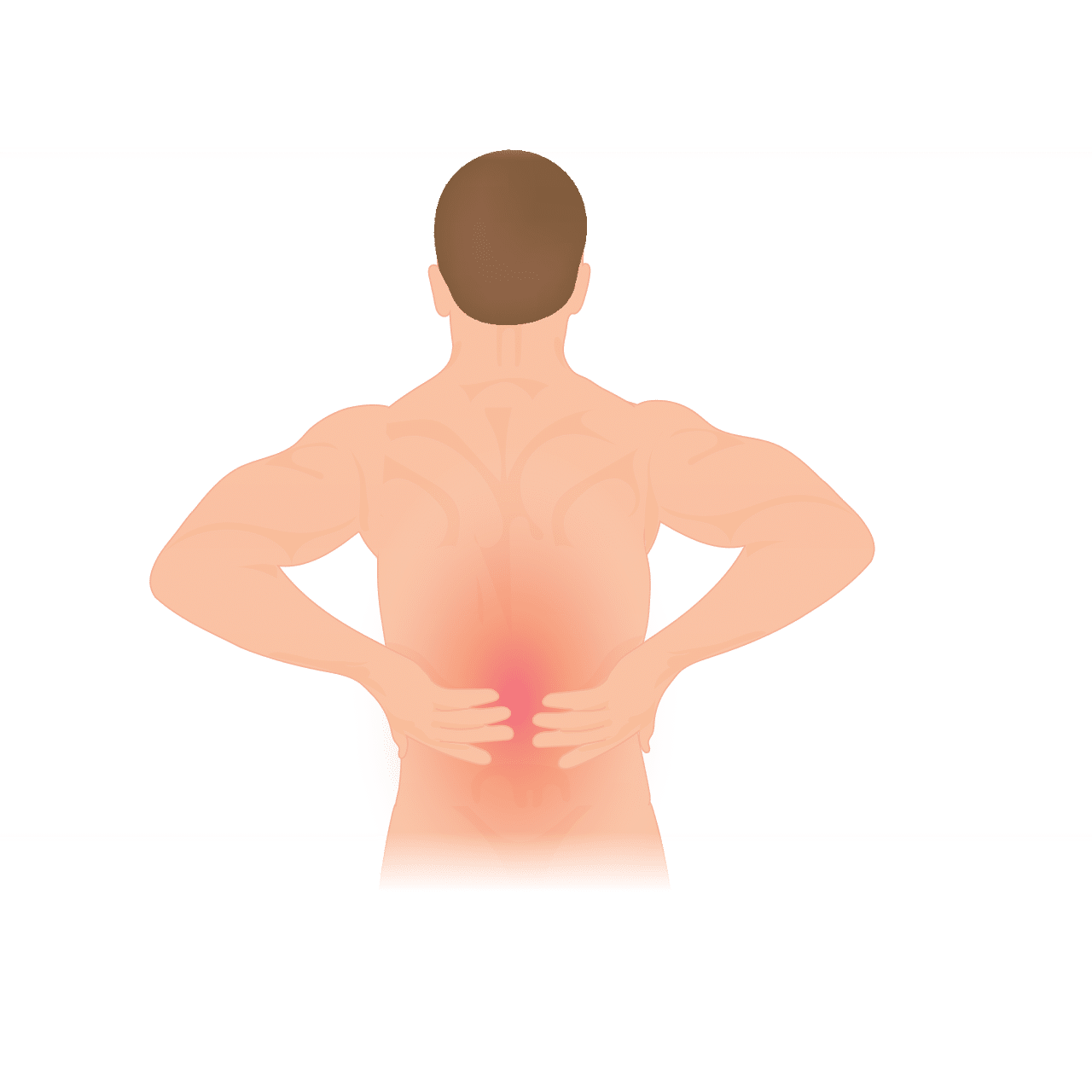
- Low back or neck pain that comes and goes in flares
- Pain that worsens with sitting, bending or lifting
- Pain that eases with walking, changing positions or lying down
- Stiffness, especially in the morning
Symptoms patients often ignore
- Needing to stand up repeatedly during long drives or meetings
- Pain into the buttocks or upper thighs without true sciatica
- Neck pain that radiates to the shoulder blades
- A sense that your back “gives out” with certain movements
Pain, numbness or weakness that travels down an arm or leg suggests a pinched nerve, which needs its own evaluation.
Causes and Risk Factors
- Age: nearly everyone develops some disc wear over time
- Genetics: family history is one of the strongest predictors
- Smoking: reduces blood flow and nutrition to the discs
- Excess body weight and a sedentary lifestyle
- Heavy physical work or previous injury
How We Diagnose Degenerative Disc Disease
- History and exam: what your pain feels like, what triggers it, and a neurological check to look for pinched nerves
- MRI: shows dark, dehydrated discs, tears and any nerve compression
- Nociscan: a noninvasive analysis of a special MRI scan (MR spectroscopy) that measures chemical markers of pain inside each disc, helping identify which discs are likely painful and which are not, without needles
- Discography: contrast dye is injected into one or more discs under X-ray guidance to see whether it reproduces your usual pain, often followed by a CT scan that shows tears inside the disc. It can help confirm which disc is the pain source before surgery.
- X-rays with bending views: show disc height, alignment and any instability
- Additional tests when needed: CT, or diagnostic injections to confirm which structure is causing pain
Matching your symptoms to your imaging matters. Disc wear is common, so Dr. Grunch’s job is to determine whether a specific disc is truly causing your pain.
Treatment Options
Non-surgical treatment comes first
- Exercise and physical therapy: the foundation of treatment; core strengthening and staying active help discs and the muscles that support them
- Weight management and quitting smoking: both reduce stress on the discs
- Medications: anti-inflammatories during flares
- Injections: epidural, facet or other targeted injections for pain relief and diagnosis
When surgery makes sense
Surgery is reserved for patients with significant, persistent pain that doesn’t respond to at least several months of good conservative care, and whose imaging clearly points to a specific disc. Options include:
- Artificial disc replacement (cervical and lumbar): one of Dr. Grunch’s specialties. The painful disc is removed and replaced with a motion-preserving implant. Read Dr. Grunch’s guide to lumbar disc replacement.
- Minimally invasive fusion: when disc replacement isn’t the right fit, such as with arthritis or instability
- Decompression: when a worn disc has led to a pinched nerve
Why Choose Dr. Betsy Grunch for Degenerative Disc Disease
- Duke-trained: neurosurgical residency and spine research fellowship at Duke University School of Medicine, where she received the Spine Young Investigator Award
- Experience you can count on: in practice since 2013, performing 400 to 600 surgeries a year and more than 5,000 procedures over her career
- Disc replacement expertise: she performs both cervical and lumbar artificial disc replacement, so fusion isn’t your only surgical option
- Surgery only when it helps: board-certified (FAANS, FACS, FCNS), she starts with the least invasive treatment that will work
- Clear answers: known online as Ladyspinedoc, she makes sure you understand your imaging and every option in front of you
What to Expect If You Need Surgery
Before surgery
You’ll meet with Dr. Grunch or one of her physician assistants to review your imaging and determine whether you are a candidate for disc replacement, fusion or another approach. Our team coordinates pre-operative testing and reviews your medications.
Procedure day
Cervical disc replacement is often a same-day or overnight procedure. Lumbar disc replacement and fusion typically involve one to two nights in the hospital.
Recovery timeline
- Day 1: up and walking
- Weeks 1-2: short walks several times a day
- Weeks 2-6: many desk workers return to work; avoid heavy lifting
- Months 2-3: physical therapy and return to most activities
- Months 3-12: continued improvement; fusions continue to solidify
Frequently Asked Questions
Will degenerative disc disease keep getting worse?
Disc wear continues slowly with age, but pain often doesn’t follow the same path. Many people find their pain improves over time, even as their MRI changes.
Will I end up in a wheelchair?
No. Degenerative disc disease does not cause paralysis. Most people stay active and independent.
Am I a candidate for disc replacement?
The best candidates have pain from one or two worn discs, without significant arthritis, instability or bone weakness. Dr. Grunch will review your imaging and tell you honestly whether disc replacement fits your spine.
Does exercise make it worse?
Generally, no. Regular movement and strengthening are among the most effective treatments. A physical therapist can help you find exercises that feel good.
Should I avoid sitting?
Long periods of sitting often aggravate disc pain. Getting up and moving every 30 to 45 minutes, and using good lumbar support, can help.
Take the First Step Toward Relief
Whether you need a diagnosis, a treatment plan or a second opinion, Dr. Grunch and the Southern Neurosurgery team are here to help.
Call 470-293-9800 to schedule an appointment or contact us online.
Have a question first? Ask our virtual assistant anything, 24/7.
We see patients across metro Atlanta and North Georgia at our offices in Gainesville, Sandy Springs and South Atlanta (Riverdale). Find the office nearest you.
This page is for educational purposes only and is not a substitute for medical advice. If you have bladder or bowel changes, groin numbness or sudden leg weakness, call 911 or go to the nearest emergency room.