
Spinal Cord Compression: Recognizing It Early and Relieving the Pressure
Pressure on the spinal cord can build slowly over years or come on suddenly. Either way, recognizing the warning signs and relieving the pressure in time protects your strength, balance and independence.
What Is Spinal Cord Compression?
The spinal cord runs through a protective bony canal from the base of the skull to the upper lower back. Spinal cord compression means something inside that canal, such as bone spurs, a disc, a tumor, an infection or blood, is pressing on the cord.
Because the cord carries signals to everything below it, compression can affect your hands, arms, legs, balance, bladder and bowels. When it develops slowly, it’s often called myelopathy. When it happens suddenly, it can be an emergency.
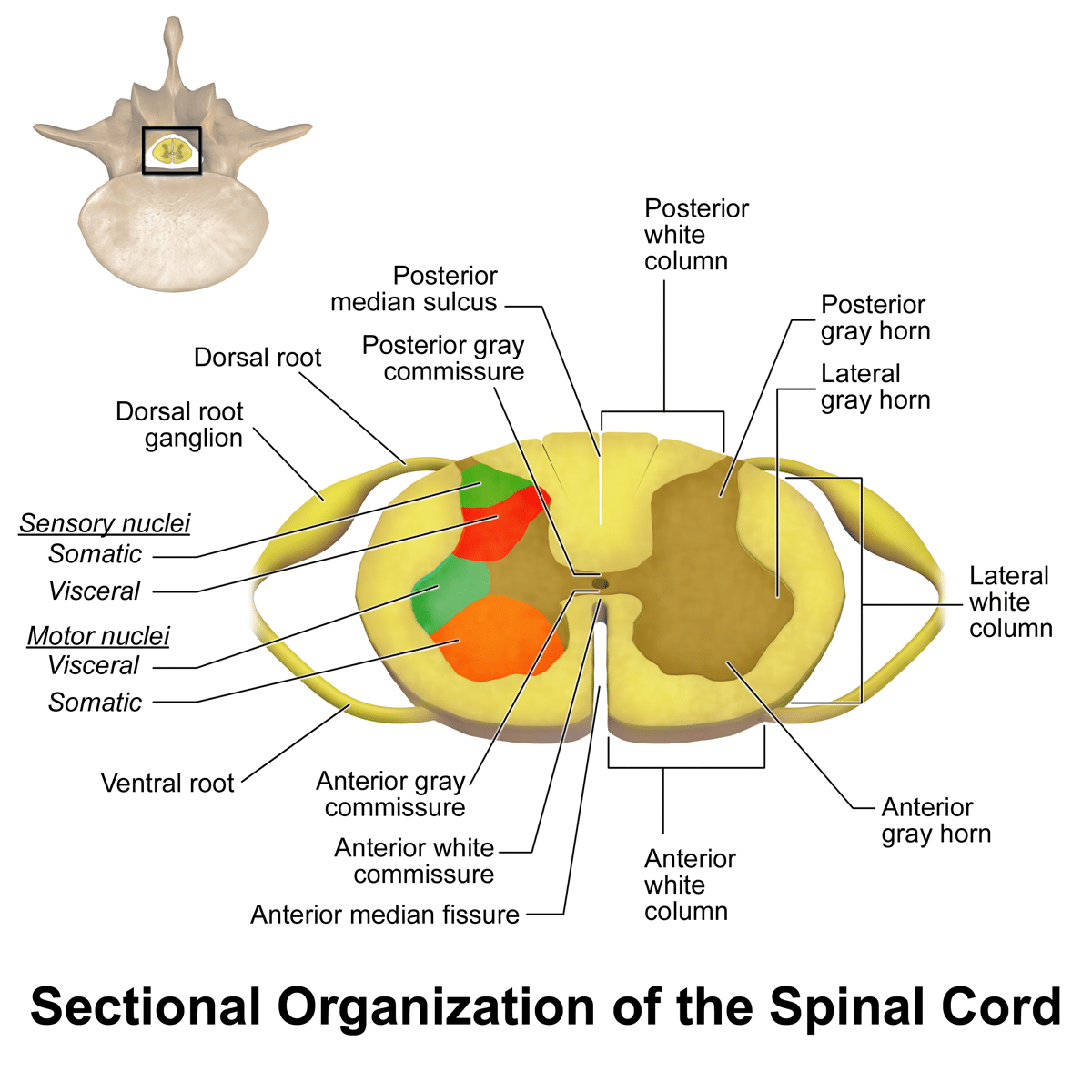
Treatment focuses on the cause. In most cases, surgery to relieve the pressure can often correct the problem and protect the cord from further damage.
What Causes Spinal Cord Compression
- Degenerative changes: spinal stenosis, bone spurs and bulging or herniated discs, most often in the neck
- Tumors: including cancer that has spread to the spine (metastatic spine disease) and spinal cord tumors
- Infection: such as an epidural abscess
- Trauma: fractures and dislocations
- Bleeding in the spinal canal
- OPLL and thickened ligaments

Symptoms
Gradual compression
- Numbness or clumsiness in the hands
- Trouble with buttons, writing or holding objects
- Balance problems or a change in how you walk
- Stiff or heavy legs
- Neck or back pain
Sudden or severe compression: seek emergency care
- Rapidly worsening weakness in the arms or legs
- New numbness below a certain level of the body
- Loss of bladder or bowel control
- New back pain with leg weakness in someone with a history of cancer
When it’s an emergency: Call 911 or go to the nearest emergency room for sudden weakness, numbness, or bladder or bowel changes.
How We Diagnose Spinal Cord Compression
- Neurological exam: strength, sensation, reflexes, coordination and walking
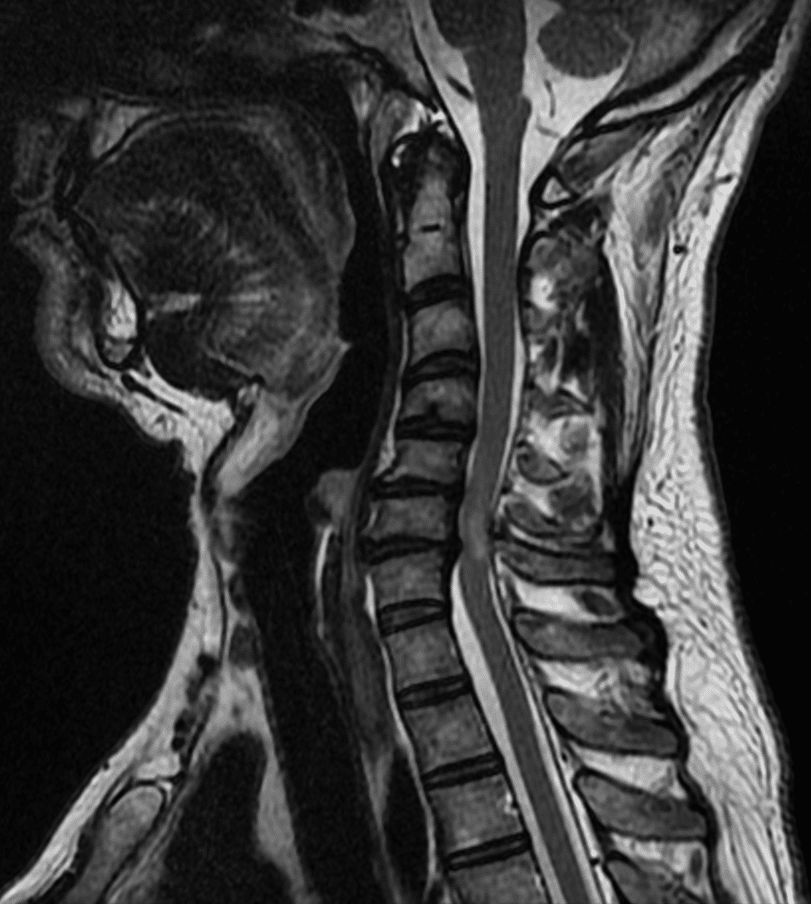
- MRI: the best test to see the spinal cord and what is compressing it
- CT scan or CT myelogram: shows bone detail or is used when MRI isn’t possible
- Lab tests and biopsy when infection or tumor is suspected
Treatment Options
Treating the cause
- Degenerative compression: close monitoring for mild cases; surgery for moderate, severe or worsening compression
- Tumors: steroids to reduce swelling, surgery and/or radiation, coordinated with your cancer team
- Infection: antibiotics, often with surgical drainage
- Trauma: stabilization and decompression
When surgery makes sense
Surgery relieves the pressure on the cord and, when needed, stabilizes the spine. It can often correct the problem and stop further damage. Options include:
- ACDF or cervical disc replacement for compression from the front of the neck
- Laminectomy with or without fusion for compression from the back or across several levels
- Spinal cord decompression for tumors, infections or blood collections
Why Choose Dr. Betsy Grunch for Spinal Cord Compression
- Duke-trained: neurosurgical residency and spine research fellowship at Duke University School of Medicine, where she received the Spine Young Investigator Award
- Experience you can count on: in practice since 2013, performing 400 to 600 surgeries a year and more than 5,000 procedures over her career
- Front and back approaches: so the operation is chosen for where your cord is compressed
- The right treatment for you: board-certified (FAANS, FACS, FCNS), she starts with the least invasive option that will work, and recommends surgery when it can correct the problem
- Clear answers: known online as Ladyspinedoc, she makes sure you understand your imaging and every option in front of you
What to Expect If You Need Surgery
Before surgery
You’ll meet with Dr. Grunch or one of her physician assistants to review your imaging and plan the approach. Urgent cases are treated as quickly as needed.
Procedure day
Front-of-neck procedures often involve one night in the hospital. Posterior and multi-level procedures usually require a few days.
Recovery timeline
- First days: walking with help as soon as possible
- Weeks 1-6: light activity; no heavy lifting
- Months 2-3: physical therapy for strength, balance and hand coordination
- Months 3-12: continued recovery of function
Frequently Asked Questions
Will my symptoms reverse after surgery?
Surgery reliably stops further damage, and many people regain function. Symptoms present for a long time may not fully reverse, which is why early treatment matters.
Is spinal cord compression always an emergency?
Not always. Gradual compression from arthritis is evaluated promptly but usually not as an emergency. Sudden weakness, numbness or bladder changes are emergencies.
I have cancer and new back pain. Should I worry?
New or worsening back pain in someone with cancer should be evaluated promptly, especially with any weakness or numbness, because cancer can spread to the spine.
Can physical therapy fix compression?
Therapy helps strength and balance but cannot remove what is pressing on the cord.
What’s the difference between compression and a pinched nerve?
A pinched nerve affects one nerve root and usually one arm or leg. Cord compression affects the spinal cord itself and can affect both sides of the body.
Take the First Step Toward Relief
Whether you need a diagnosis, a treatment plan or a second opinion, Dr. Grunch and the Southern Neurosurgery team are here to help.
Call 470-293-9800 to schedule an appointment or contact us online.
Have a question first? Ask our virtual assistant anything, 24/7.
We see patients across metro Atlanta and North Georgia at our offices in Gainesville, Sandy Springs and South Atlanta (Riverdale). Find the office nearest you.
This page is for educational purposes only and is not a substitute for medical advice. If you have sudden weakness, numbness in the groin, or bladder or bowel changes, call 911 or go to the nearest emergency room.