
Spinal Epidural Abscess: An Urgent Spine Infection
If you have fever with severe back or neck pain and new weakness, numbness, or bladder or bowel changes, call 911 or go to the nearest emergency room. A spinal epidural abscess can damage the spinal cord within hours.
What Is a Spinal Epidural Abscess?
A spinal epidural abscess is a collection of pus in the epidural space, the area between the bones of the spine and the protective covering of the spinal cord and nerves. As the abscess grows, it can press on the spinal cord or nerve roots and cut off their blood supply. That’s why it is treated as a medical emergency.
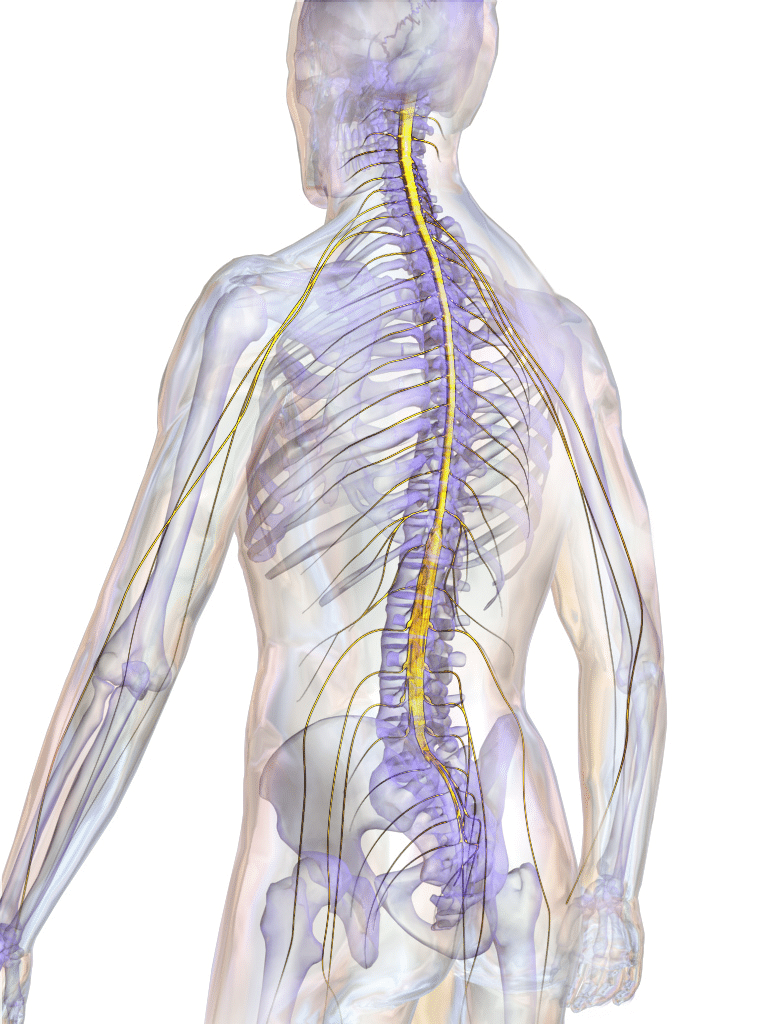
An epidural abscess can develop after spine surgery or a spinal injection, or when bacteria spread through the bloodstream or from a nearby infection such as discitis or spinal osteomyelitis. When it’s caught early, most patients recover well.
Symptoms
Symptoms often progress in stages, sometimes over days and sometimes over hours:
- Back or neck pain: severe, constant and focused in one spot, with tenderness over the spine
- Fever and feeling unwell (not everyone has a fever)
- Nerve pain: pain shooting into the arms, chest wall or legs
- Weakness, numbness or tingling in the arms or legs
- Bladder or bowel changes and, in advanced cases, paralysis
After surgery, watch for
- Back or neck pain that is getting worse instead of better
- Fever, chills or sweats
- Redness, swelling or drainage from the incision
Causes and Risk Factors
- Recent spine surgery, epidural injections or epidural catheters
- Bacteria in the bloodstream, most often staph, from skin, urinary, dental or other infections
- Spread from a nearby infection in the disc or vertebrae
- Risk factors: diabetes, IV drug use, kidney disease, a weakened immune system, and alcohol use disorder
How It’s Diagnosed
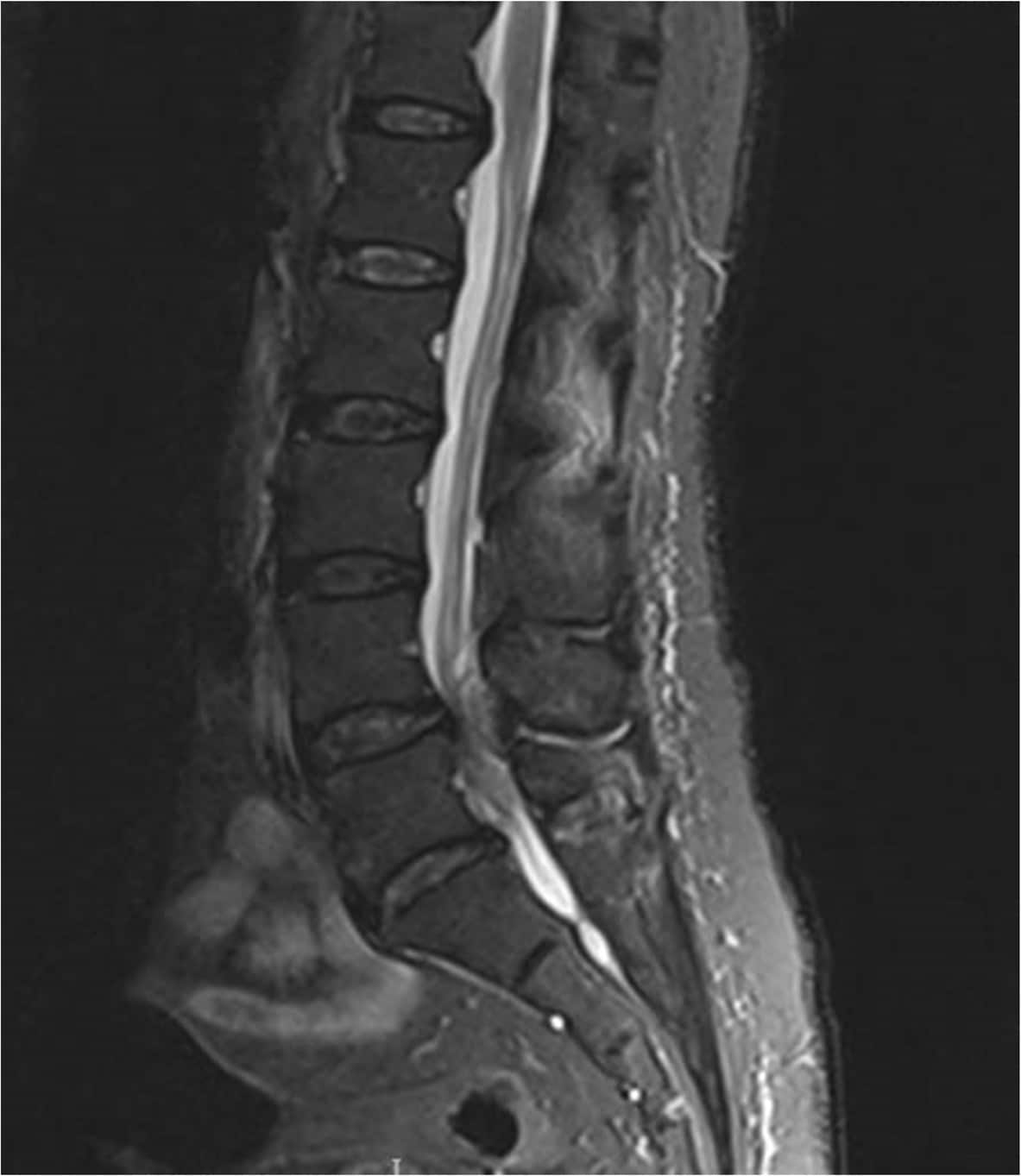
- MRI with contrast: the key test, showing the size and location of the abscess and any pressure on the spinal cord
- Blood tests: white blood cell count, ESR and CRP (inflammation markers) and blood cultures
- Neurological exam: repeated checks of strength, sensation and reflexes to catch any change quickly
Treatment
Surgery
When an abscess is pressing on the spinal cord or nerves, or causing weakness, urgent surgery is usually the best treatment. The surgeon drains the abscess, removes infected tissue and relieves pressure on the nerves. If the infection has weakened the spine, it may also need to be stabilized.
Antibiotics
All patients receive antibiotics, usually IV for at least six weeks, guided by cultures and coordinated with infectious disease specialists. In carefully selected patients with a small abscess and no weakness, antibiotics alone with very close monitoring may be an option. Any new weakness means surgery is needed right away.
What to Expect
Patients are typically treated in the hospital, followed by several weeks of IV antibiotics at home or at an infusion center. Follow-up visits include blood tests and imaging to make sure the infection is clearing. Recovery of strength depends largely on how much weakness was present before treatment, which is why fast treatment matters.
Frequently Asked Questions
How quickly does an epidural abscess need treatment?
Immediately. Once weakness starts, it can progress to paralysis in hours. Fever with severe back pain and any nerve symptoms is an emergency.
Can I get an epidural abscess after spine surgery or an injection?
It’s uncommon, but yes. Worsening pain, fever or wound drainage after a procedure should be reported to your surgeon right away.
Can it be treated without surgery?
Sometimes, in carefully selected patients with no nerve problems, but they need close hospital monitoring. Most patients with pressure on the spinal cord need surgery.
Will I recover fully?
Many patients do, especially when treated before significant weakness develops. Patients with weakness before surgery may recover partially or over a longer time.
Could the infection come back?
It can, so finishing the full course of antibiotics and keeping follow-up appointments are important.
Concerned About an Infection After Surgery?
If you’ve had spine or brain surgery and notice fever, chills, redness, swelling or drainage from your incision, or pain that is getting worse instead of better, call the surgeon who performed your operation right away. If you can’t reach them, or you have new weakness or numbness, confusion, a stiff neck with severe headache, or bladder or bowel changes, go to the nearest emergency room or call 911.
This page is for educational purposes only and is not a substitute for medical advice. If you have fever with severe back or neck pain, sudden weakness, numbness in the groin, or bladder or bowel changes, call 911 or go to the nearest emergency room.