
Herniated Disc Treatment: Relief for Back, Neck, Arm and Leg Pain
Most herniated discs heal without surgery. When one doesn’t, you deserve a surgeon who will tell you so honestly and fix it through the smallest opening possible.
What Is a Herniated Disc?
If you’ve been told you have a herniated disc, you may be picturing something broken or out of place. The reality is usually much less frightening. Between each bone in your spine sits a disc, a rubbery cushion with a tough outer ring and a soft, gel-like center. Over time, or after a sudden strain, a weak spot can form in that outer ring, and some of the soft center pushes outward. That bulge is the herniation. You may also hear it called a slipped, ruptured or bulging disc.
The disc itself doesn’t usually cause the worst of the pain. The trouble starts when the herniated material presses on a nearby nerve or irritates it with inflammatory chemicals. That’s why a disc in your lower back can send pain shooting down your leg (sciatica), and a disc in your neck can cause pain, tingling or weakness in your arm and hand.
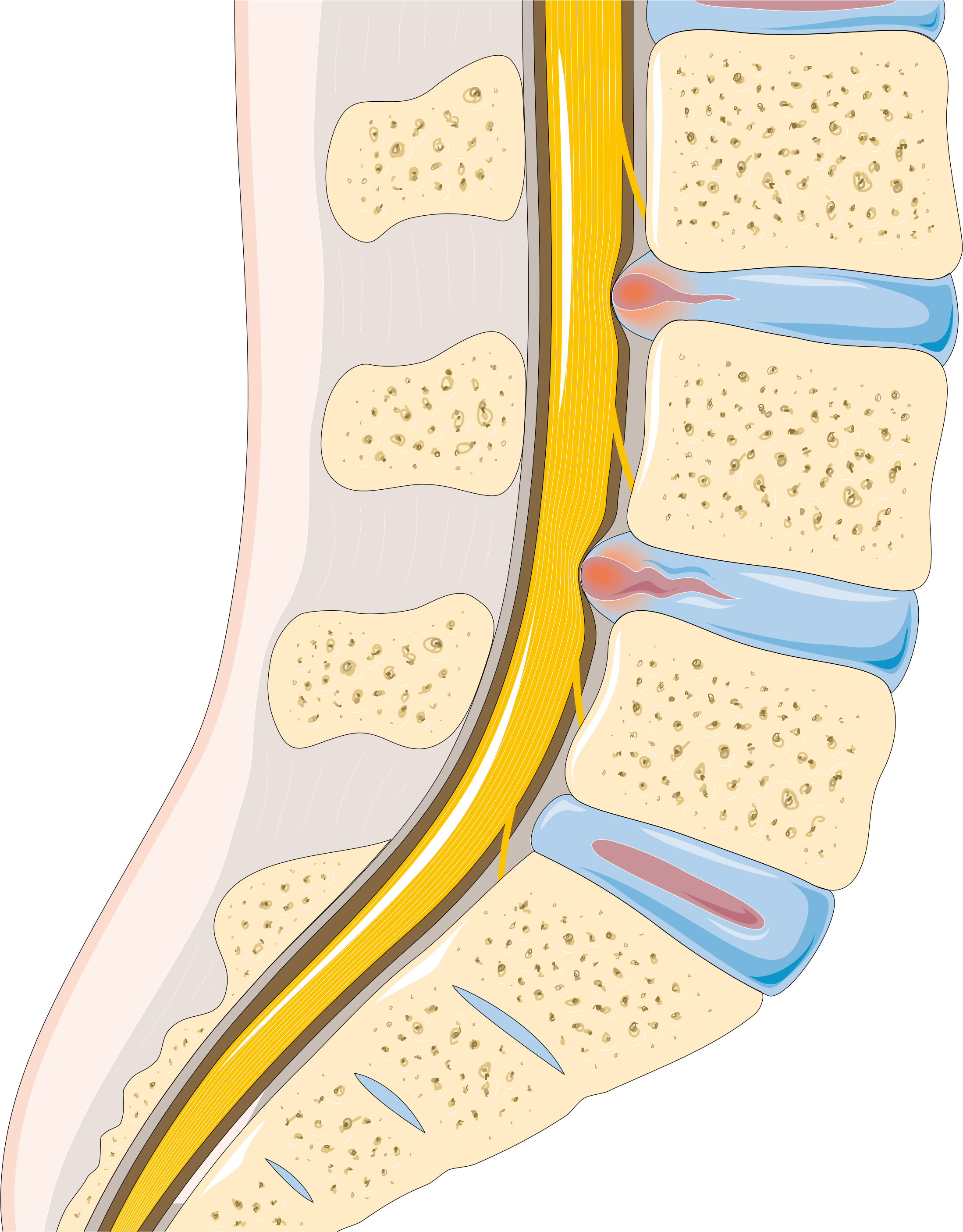
This short animation from Spine-health shows how a disc herniates and how it can press on a nearby nerve:
Video: Herniated Disc Video, courtesy of Spine-health.com
This patient education video also explains what a herniated disc is:
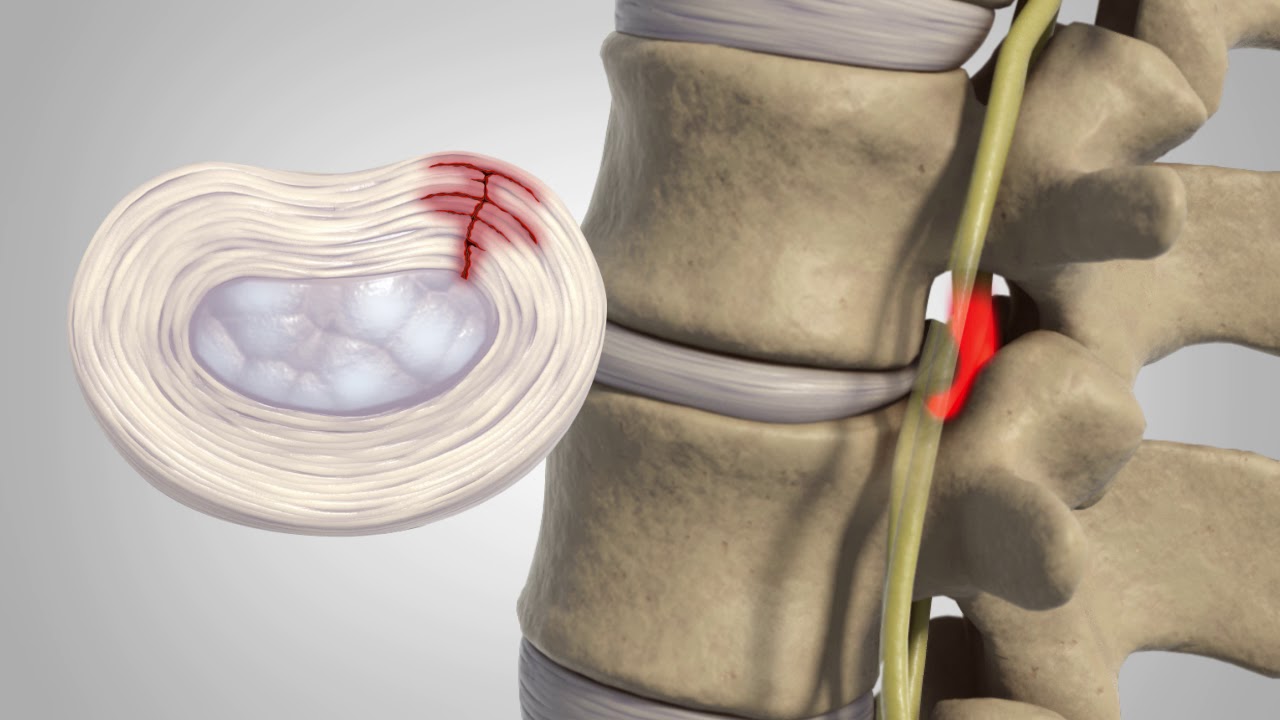
Video: Herniated Disc – Patient Education, from NuVasive on YouTube
Here’s the encouraging part: the large majority of herniated discs improve on their own or with conservative care, often within about six weeks. The body can actually shrink and reabsorb herniated disc material over time. For the smaller group of patients whose pain doesn’t let up, or whose nerves are losing strength, modern minimally invasive surgery offers reliable relief with a quick recovery.
What’s Happening in Your Spine
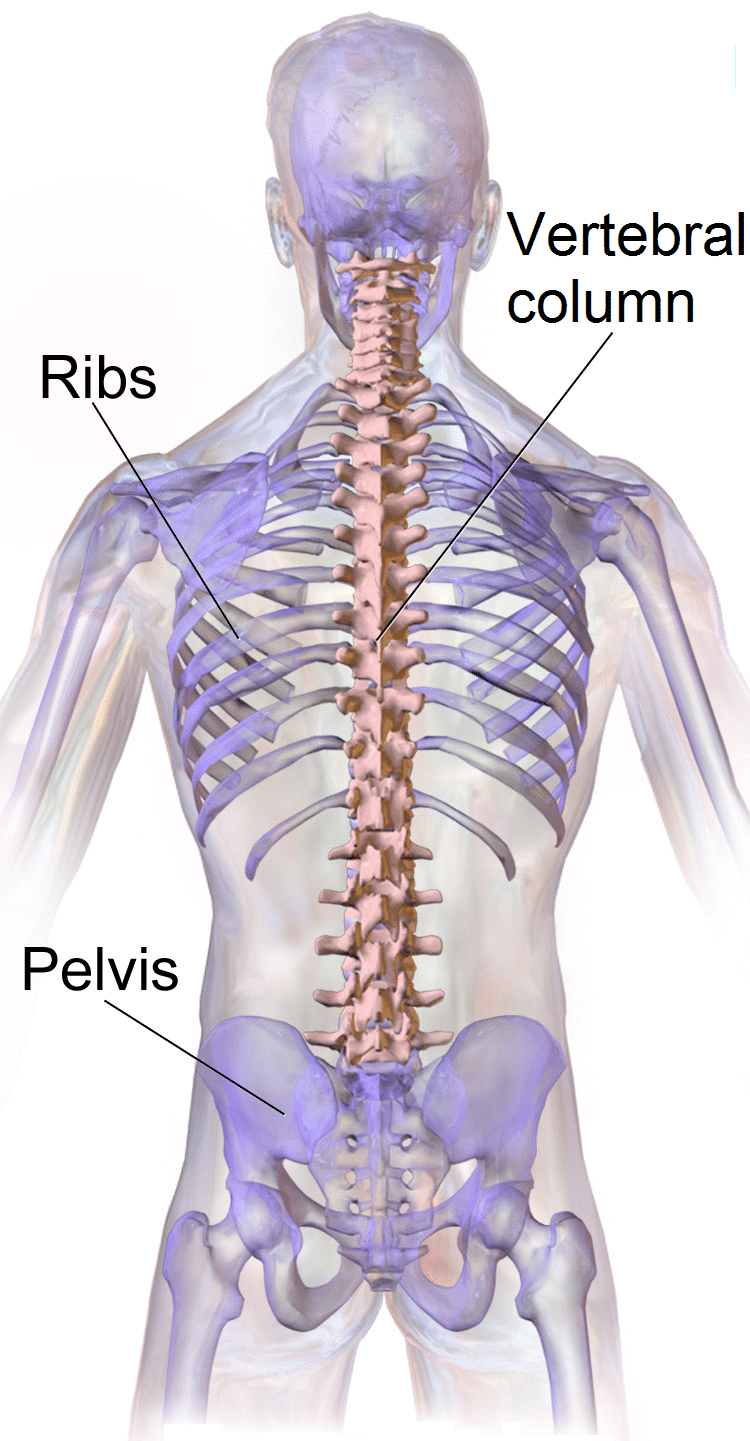
Your spine has 24 movable vertebrae stacked on top of each other, with a disc between most of them. Nerves branch off the spinal cord and exit through small openings on each side of the spine called foramina. Each nerve travels to a specific part of the body, which is why the location of your symptoms tells your surgeon a lot about which disc is responsible.
- Lumbar (lower back) herniations are the most common, usually at the L4-L5 or L5-S1 levels. They typically affect the sciatic nerve roots and cause pain, numbness or weakness down the buttock, leg and foot. Watch the lumbar herniated disc video from Spine-health.
- Cervical (neck) herniations most often occur at C5-C6 or C6-C7. They affect nerves to the shoulder, arm and hand, and if large enough, can press on the spinal cord itself. Watch the cervical herniated disc video from Spine-health.
- Thoracic (mid-back) herniations are rare and can cause band-like pain around the chest or, if they compress the spinal cord, problems with walking and balance. Learn more about thoracic disc herniation. Watch the thoracic herniated disc video from Spine-health.
This animation from Spine-health shows a herniated disc in the neck:
Video: Cervical Herniated Disc Video, courtesy of Spine-health.com
Symptoms of a Herniated Disc
Symptoms depend on where the herniation is and which nerve it affects. Some people have a herniated disc on their MRI with no symptoms at all.
Common symptoms
- Sharp, burning or electric pain that radiates down one leg (sciatica) or down one arm
- Low back or neck pain, often worse with sitting, bending, coughing or sneezing
- Numbness or tingling in the leg, foot, arm or fingers
- Muscle weakness, such as trouble gripping objects or lifting your foot
Symptoms patients often ignore
- A foot that slaps or catches when you walk (foot drop)
- Dropping things more often, or clumsiness with buttons and writing
- Pain that’s worse in the leg or arm than in the back or neck itself
- Pain in the shoulder blade area that seems unrelated to your neck
- Calf cramping or a “dead” feeling in the foot
- Needing to change positions constantly or being unable to sit through a meal or a drive
This animation from Spine-health shows how a herniated disc can cause symptoms:
Video: Herniated Disc Symptoms Animation, courtesy of Spine-health.com

When it’s an emergency: Go to the nearest emergency room or call 911 if you have new trouble controlling your bladder or bowels, numbness in your groin or inner thighs (“saddle” numbness), or rapidly worsening weakness in your legs. These can be signs of cauda equina syndrome or spinal cord compression, which require urgent surgery.
Causes and Risk Factors
Most herniated discs result from gradual, age-related wear called disc degeneration. As we age, discs lose water and become less flexible, so a simple twist or lift can be enough to cause a tear. Herniations are most common between ages 30 and 50.
Factors that raise your risk include:
- Jobs that involve repetitive lifting, bending, twisting or long hours of driving
- Excess body weight, which adds load to the lower spine
- Smoking, which reduces blood flow and nutrition to the discs
- Family history of disc problems
- A sedentary lifestyle and weak core muscles
- Sudden injury, such as a fall or car accident
How We Diagnose a Herniated Disc
A diagnosis starts with a conversation and a hands-on exam, not just a scan. At Southern Neurosurgery, Dr. Grunch and her team will:
- Take a detailed history: when the pain started, where it travels, what makes it better or worse and what treatments you’ve already tried.
- Perform a neurological exam: testing strength, reflexes and sensation, and checks such as the straight-leg raise, to pinpoint which nerve is involved.
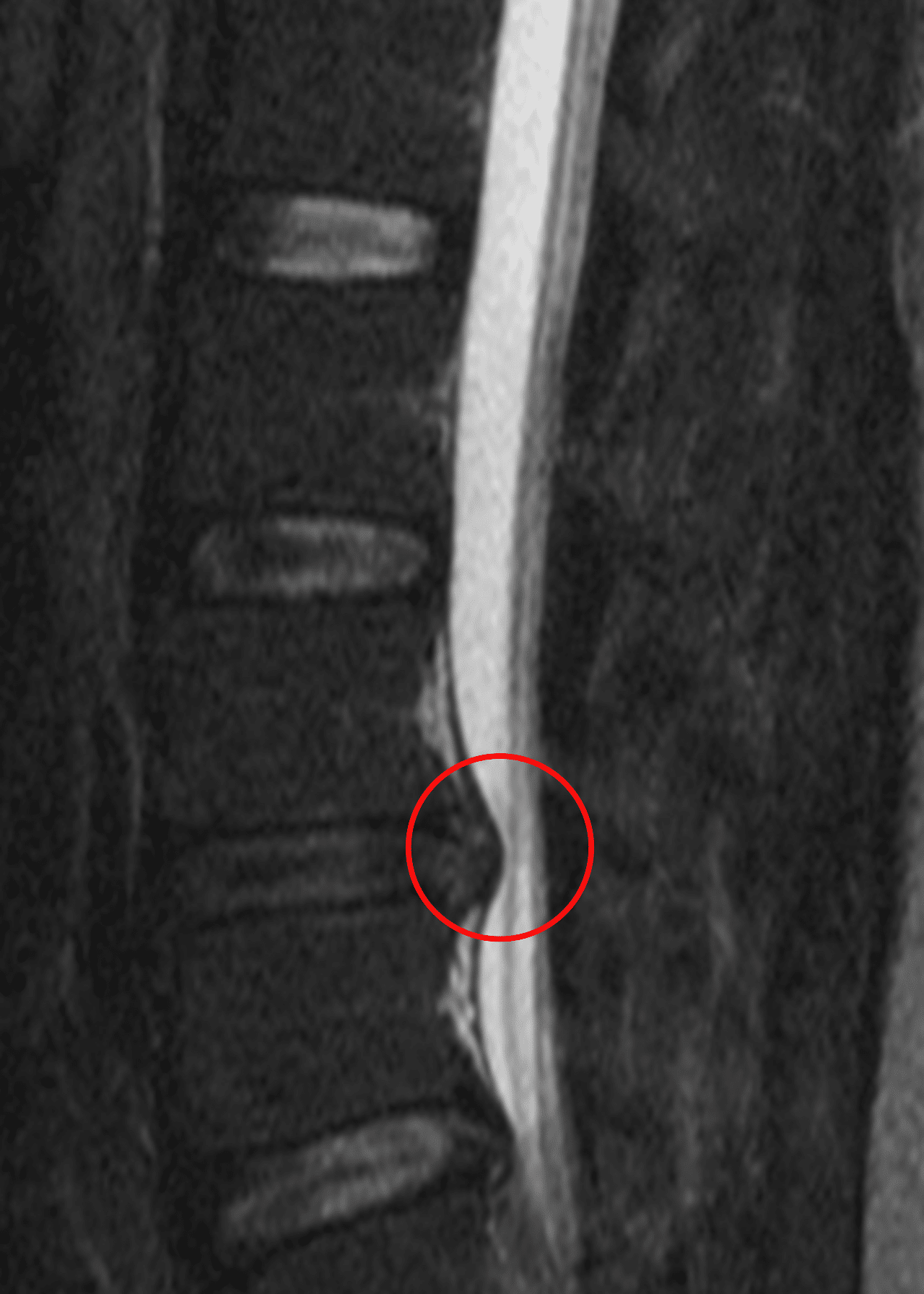
- Review or order an MRI: the gold standard for seeing discs and nerves. If you already have an MRI, bring the disc and report to your visit.
- Use other tests when needed: X-rays (including flexion-extension views) to check alignment and stability, a CT scan or CT myelogram if you can’t have an MRI, and EMG/nerve conduction studies to confirm nerve damage or rule out conditions like peripheral neuropathy.
Just as important, imaging has to match your symptoms. Many people have disc bulges on an MRI that aren’t causing their pain. You’ll get an honest explanation of what your scan does and doesn’t show.
Treatment Options
Non-surgical treatment comes first
For most patients without severe or worsening weakness, treatment begins conservatively:
- Activity modification: staying gently active rather than on bed rest, and avoiding heavy lifting and prolonged sitting
- Medications: anti-inflammatories, a short course of oral steroids, muscle relaxants or nerve-pain medications
- Physical therapy: core strengthening, posture work and nerve-gliding exercises
- Epidural steroid injections: image-guided injections that calm inflammation around the irritated nerve and can provide weeks to months of relief while the disc heals
When surgery makes sense
Surgery is considered when pain hasn’t improved after about six to twelve weeks of conservative care, when pain is severe enough to prevent normal life, or right away when there’s significant or progressive weakness, spinal cord compression or cauda equina syndrome. For the right patient, surgery is highly effective, especially for leg or arm pain.
Dr. Grunch specializes in minimally invasive spine surgery, designed to remove the disc fragment pressing on the nerve while leaving surrounding muscles, bone and ligaments intact. Depending on your herniation, options include:
- Minimally invasive microdiscectomy (lumbar): Through a small incision and a tubular retractor, the herniated fragment is removed under magnification. Most patients go home the same day.
- Transforaminal (Kambin’s triangle) approaches: Dr. Grunch uses advanced approaches through Kambin’s triangle, a natural anatomical corridor beside the nerve, to reach the disc with minimal disruption of muscle and bone.
- Annular closure (Barricaid): For patients with a large hole in the disc’s outer ring and a higher risk of the disc herniating again, a small implant can be placed after discectomy to help close the defect.
- Cervical artificial disc replacement: For neck herniations, Dr. Grunch frequently performs disc replacement, which removes the damaged disc and replaces it with a motion-preserving implant instead of fusing the bones. For appropriate patients, this keeps the neck moving naturally and may reduce stress on neighboring discs.
- Anterior cervical discectomy and fusion (ACDF): When disc replacement isn’t the right fit, such as with significant arthritis or instability, ACDF is a time-tested option.
- Lumbar disc replacement: For selected patients whose disc has degenerated and is itself the source of chronic back pain, lumbar disc replacement can be an alternative to fusion. Read Dr. Grunch’s guide to lumbar disc replacement.
Why Choose Dr. Betsy Grunch for Your Herniated Disc
- Duke-trained: Dr. Grunch completed her neurosurgical residency and a spine research fellowship at Duke University School of Medicine, one of the top neurosurgery programs in the country, where she received the Spine Young Investigator Award.
- Experience you can count on: She has been in practice since 2013 and performs 400 to 600 surgeries a year, more than 5,000 procedures over her career.
- Motion-preservation expertise: She performs both cervical and lumbar artificial disc replacement, so fusion isn’t your only surgical option.
- Surgery only when it helps: Board-certified (FAANS, FACS, FCNS), Dr. Grunch starts with the least invasive treatment that will work. Many patients who see her never need an operation.
- A teacher at heart: As “Ladyspinedoc,” she is known for explaining spine conditions clearly. You’ll leave your visit understanding your MRI and every option in front of you.
What to Expect If You Need Surgery
Before surgery
You’ll meet with Dr. Grunch or one of her physician assistants to review your imaging and choose the right procedure together. Our team will coordinate pre-operative testing, review your medications (including blood thinners you may need to pause) and walk you through the day of surgery so nothing is a surprise.
Procedure day
Minimally invasive discectomy typically takes about an hour and is often done as an outpatient procedure, meaning you go home the same day. Many patients notice their leg or arm pain is dramatically better as soon as they wake up. Cervical disc replacement and ACDF commonly involve a same-day discharge or a single overnight stay.
Recovery timeline
- Day 1: You’ll be up and walking. Walking is the best medicine after spine surgery.
- Weeks 1-2: Short walks several times a day. Most people with desk jobs return to work in about one to two weeks.
- Weeks 2-6: Gradually increase activity. Avoid heavy lifting, bending and twisting. Numbness and tingling often improve more slowly than pain.
- Weeks 6-12: Return to most normal activities, exercise and physically demanding jobs as cleared by your surgeon. Physical therapy may be recommended.
- Months 3-6: Nerve recovery continues. Strength and sensation can keep improving for several months.
Every patient heals differently. Your exact timeline will depend on your procedure, your job and your overall health.
Frequently Asked Questions
Will my herniated disc heal on its own?
Often, yes. Most people with a herniated disc improve significantly within about six weeks with time, activity changes, physical therapy and sometimes an injection. The body can reabsorb part of the herniated material. Surgery is recommended when pain persists despite good conservative care, or sooner if you are losing strength or have signs of nerve or spinal cord compression.
I’m scared of spine surgery. Could I end up paralyzed?
That fear is completely understandable, and it’s one of the most common questions patients ask. Serious complications from a minimally invasive discectomy are rare. The procedure works on the nerve root next to the disc, typically below where the spinal cord ends in the lower back. Dr. Grunch will walk you through the specific risks of your procedure, including infection, bleeding, spinal fluid leak and re-herniation, so you can make an informed decision.
Can the disc herniate again after surgery?
Yes. Because the disc is not entirely removed, a small percentage of patients experience a recurrent herniation, most often in the first year. Protecting your back during recovery, staying active, maintaining a healthy weight and not smoking all lower that risk. For patients at higher risk, annular closure may be an option to help prevent re-herniation.
Do I have to have a fusion?
Not necessarily. Most herniated discs in the lower back are treated with a discectomy alone, with no fusion. In the neck, Dr. Grunch frequently performs artificial disc replacement, which preserves motion. Fusion is reserved for situations where the spine is unstable or significantly arthritic, and she will explain why if she recommends it.
Should I come in if I already have an MRI?
Absolutely. Bring your MRI disc and report to your appointment. Dr. Grunch personally reviews imaging with her patients. If you don’t have an MRI yet, she can determine whether you need one after examining you.
Take the First Step Toward Relief
Living with nerve pain is exhausting, and wondering whether you need surgery can be just as hard. You don’t have to figure it out alone. Whether you need a treatment plan, a second opinion or simply a clear explanation of your MRI, Dr. Grunch and the Southern Neurosurgery team are here to help.
Call 470-293-9800 to schedule an appointment or contact us online.
Have a question first? Ask our virtual assistant anything, 24/7.
We see patients across metro Atlanta and North Georgia at our offices in Gainesville, Sandy Springs and South Atlanta (Riverdale). Find the office nearest you.
This page is for educational purposes only and is not a substitute for medical advice. If you have bladder or bowel changes, groin numbness or rapidly worsening weakness, call 911 or go to the nearest emergency room.