
Correcting Scoliosis, Kyphosis and Spinal Imbalance
Living with a spine that curves, tilts or pitches you forward can be exhausting, painful and discouraging. When bracing, therapy and time are no longer enough, surgery can often correct the problem by straightening and rebalancing the spine so you can stand upright and move more comfortably again.
What Is Scoliosis and Spinal Deformity Surgery?
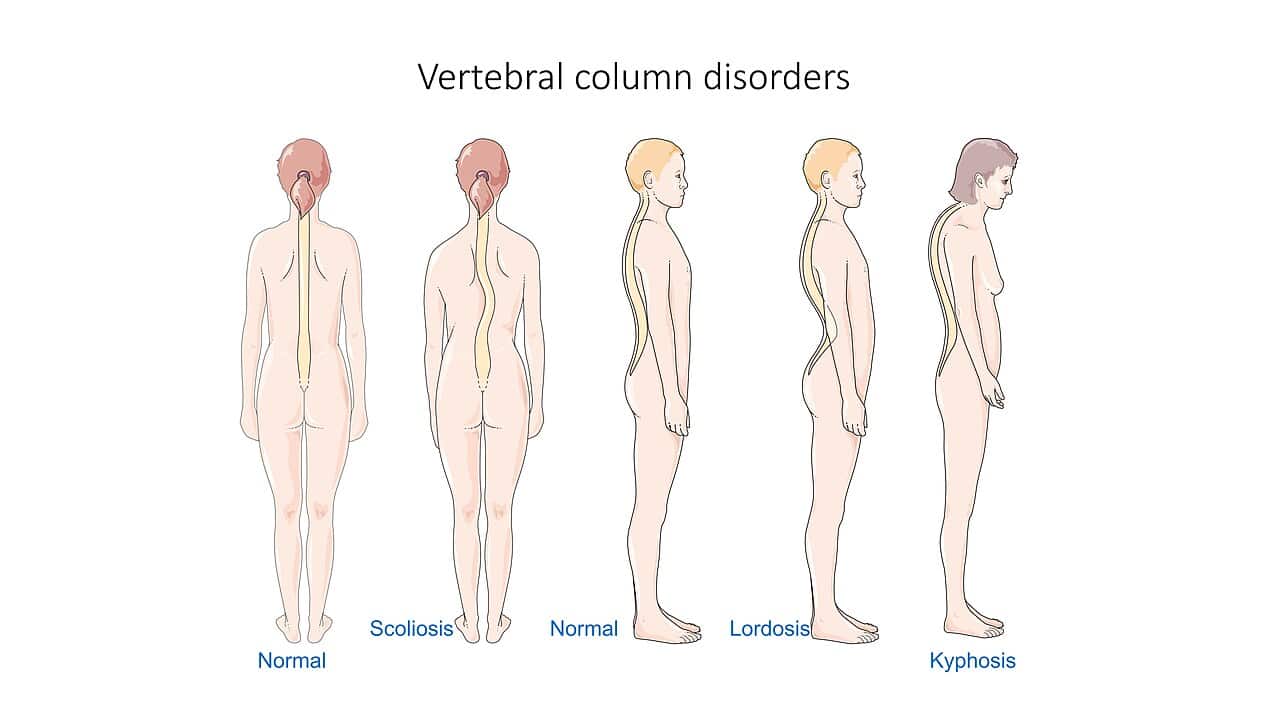
A healthy spine looks straight from the front and has gentle, balanced curves from the side. Spinal deformity surgery corrects a spine that has moved out of that alignment. It treats several related problems, often in the same operation:
- Scoliosis: a sideways curve of the spine, often with rotation. In adults, it most often develops as the discs and joints wear down (degenerative scoliosis), or it is a curve from earlier in life that has worsened over time. Learn more about scoliosis.
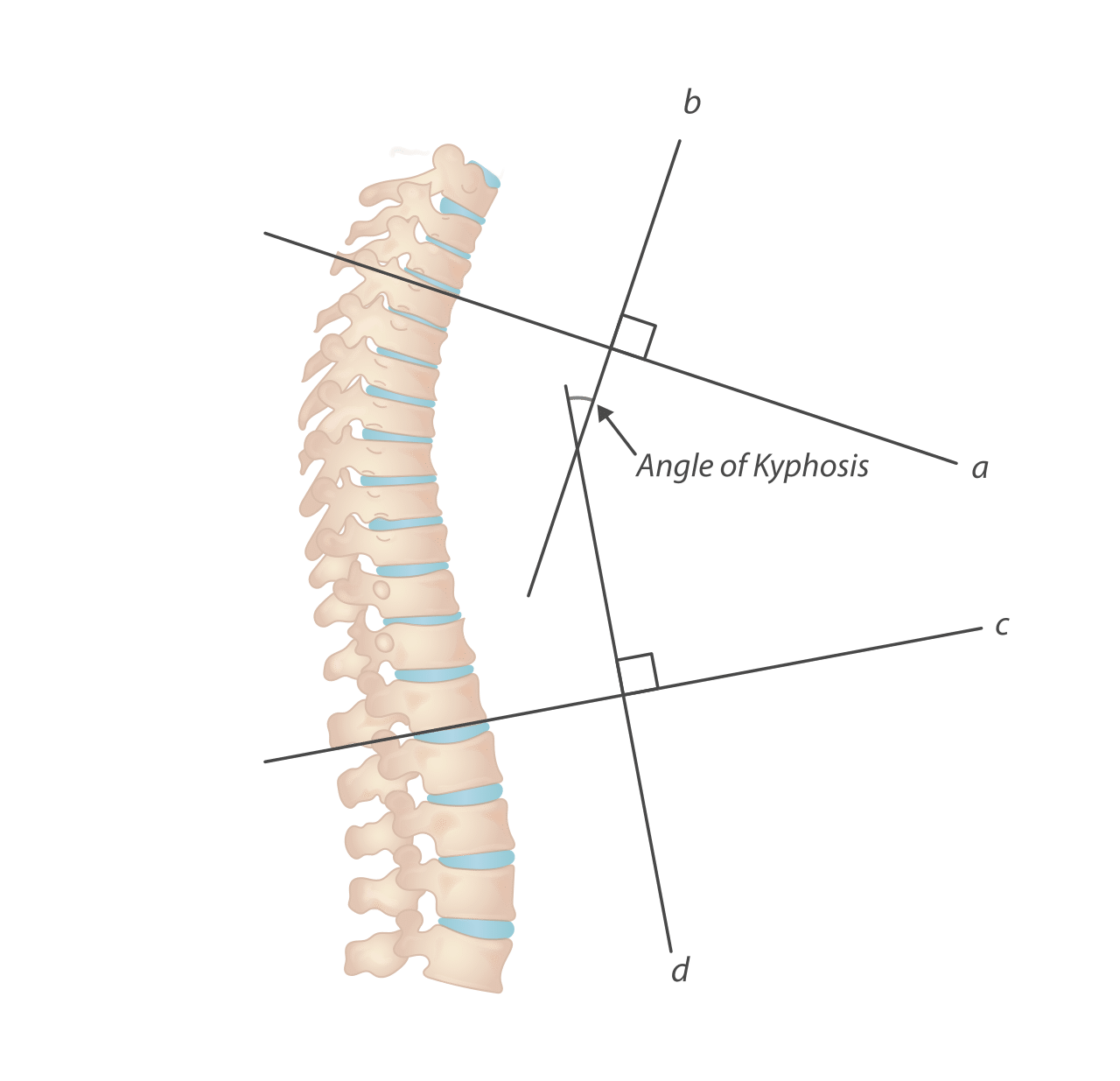
- Kyphosis: excessive forward rounding of the upper or mid back, from age-related changes, fractures, Scheuermann’s disease or prior surgery. Learn more about kyphosis.
- Sagittal imbalance and flatback: loss of the normal inward curve of the lower back, which pitches the body forward so you have to bend your knees or lean on a cane or cart to stand up straight. Learn more about sagittal imbalance and flatback syndrome.
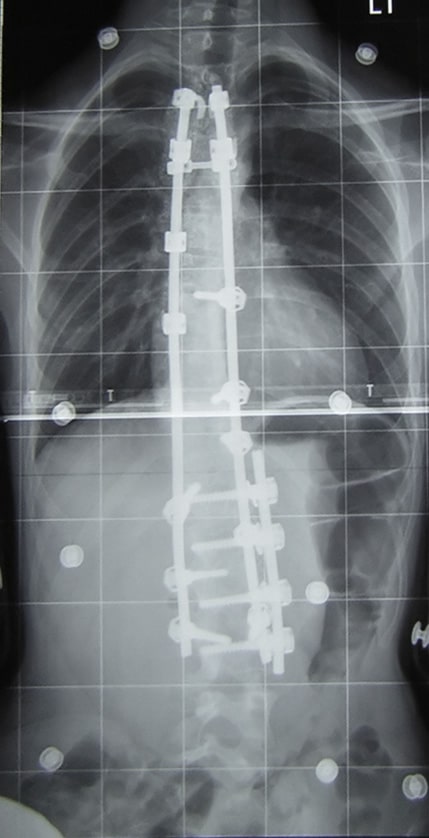
Surgery uses screws and rods to straighten and hold the spine, along with bone graft so the corrected levels fuse into solid bone. When the spine is stiff or a prior fusion has healed in the wrong position, carefully planned bone cuts called osteotomies allow the spine to be reshaped. The goal is not a perfectly straight spine on an X-ray, but a balanced spine with your head centered over your pelvis, which is what relieves pain and fatigue and lets you stand and walk comfortably.
Who Needs Scoliosis or Deformity Surgery?
- A curve that is large or getting worse over time, especially a scoliosis curve greater than about 45 to 50 degrees
- Back pain or fatigue from standing and walking that hasn’t improved with nonsurgical care
- Leg pain, numbness or weakness from nerves pinched inside the curve (spinal stenosis)
- Pitching forward or leaning to one side so that you can’t stand upright without bending your knees or using support
- Severe kyphosis from wedge-shaped vertebrae, healed compression fractures or a prior surgery
- Flatback or imbalance after an earlier fusion (revision fusion)
- Rarely, a curve severe enough to affect breathing
Deformity surgery is a major operation, and the decision is personal. Dr. Grunch takes full-length standing X-rays to measure your curve and your overall balance, and weighs your symptoms, bone health and medical conditions before recommending surgery. For some patients, a smaller, targeted decompression or fusion is the better choice.
Treatments to Try First
- Observation: small curves that aren’t causing symptoms are often simply watched with periodic X-rays
- Physical therapy: core and posture strengthening and a structured exercise program
- Medications: anti-inflammatory medications, muscle relaxers or nerve pain medications
- Injections: epidural steroid injections, facet injections or radiofrequency ablation for pain
- Bone health: testing and treatment for osteoporosis, which matters before any fusion
When these no longer keep you active, or your curve, balance or nerve symptoms are getting worse, surgery can often correct the problem.
How Scoliosis and Deformity Surgery Is Done
- Careful planning: Full-length standing X-rays, CT and MRI are used to measure your alignment and plan exactly how much correction is needed and where.
- Anesthesia and monitoring: You’ll be fully asleep. Nerve monitoring watches the spinal cord and nerves throughout surgery.
- Front or side work, if needed: Some patients first have lateral (LLIF) or anterior (ALIF) spacers placed to open collapsed discs and begin the correction through small incisions.
- Placing screws: Through the back, screws are placed into the vertebrae using X-ray or navigation guidance.
- Osteotomies, when needed: In a stiff or rounded spine, small wedges of bone are removed so the spine can be bent back into a healthier position.
- Correcting the curve: Rods are shaped to the planned alignment and connected to the screws, gradually straightening and rebalancing the spine.
- Decompression and fusion: Pinched nerves are freed, and bone graft is placed so the corrected levels fuse together.
- Closing: The muscles and skin are closed in layers.
Some corrections are done in one surgery, and larger ones may be staged over two surgeries a few days apart.
Watch how a multi-level spinal fusion stabilizes the spine:
Video: Multi-level Spinal Fusion, courtesy of Spine-health
Learn how scoliosis develops in adults:
Video: Degenerative Scoliosis, courtesy of Spine-health
Benefits and Risks
Benefits
- Less back pain and fatigue when standing and walking
- The ability to stand upright with your head centered over your pelvis
- Relief of leg pain from pinched nerves
- Stopping a curve from getting worse
- Improved posture and appearance, and often better quality of life
Risks
- Bleeding, which may require a blood transfusion
- Infection or wound healing problems
- Nerve or spinal cord injury, which is uncommon but serious
- The bones not fusing, or rods or screws loosening or breaking, which can require another surgery
- Problems at the levels just above the fusion over time (proximal junctional kyphosis or adjacent segment disease)
- Loss of flexibility in the fused part of the spine
- Risks related to anesthesia and a longer surgery, including blood clots, pneumonia and heart or lung problems
Risks are higher in people who smoke, have osteoporosis or have other medical conditions. Dr. Grunch’s team works to optimize your health before surgery to lower these risks.
Why Choose Dr. Betsy Grunch for Your Deformity Surgery
- Duke-trained: Dr. Grunch completed her neurosurgical residency and a spine research fellowship at Duke University School of Medicine, one of the top neurosurgery programs in the country, where she received the Spine Young Investigator Award.
- Planning built around balance: She plans each correction around your whole-body alignment, not just the curve on the X-ray, because balance is what relieves pain and fatigue.
- Less invasive when possible: Minimally invasive spine surgery is one of her signature areas, and she uses lateral and anterior approaches to reduce the size of surgery when it’s safe to do so.
- The right size of surgery: Not every curve needs a long fusion. She recommends the smallest surgery that will truly solve your problem.
- Experience you can count on: She has been in practice since 2013 and performs 400 to 600 surgeries a year, more than 5,000 procedures over her career.
- Second opinions and revisions: She regularly sees patients who had spine surgery elsewhere and want a second opinion or need a revision.
- A teacher at heart: As “Ladyspinedoc,” she is known for explaining spine conditions clearly. You’ll leave your visit understanding your imaging and every option in front of you.
What to Expect
Before surgery
You’ll meet with Dr. Grunch or one of her physician assistants to review your imaging, your exam and your goals, and to decide together whether deformity surgery is right for you. Because this is a larger surgery, you may need a bone density test, medical clearance from your primary care doctor or cardiologist, and treatment for osteoporosis or other conditions first. Our team will coordinate pre-operative testing, review your medications (including blood thinners you may need to pause) and walk you through the day of surgery so nothing is a surprise. Smoking and nicotine slow bone healing and raise the risk of complications, so stopping before surgery is strongly recommended. Our office can help.
Procedure day
Surgery often takes four to eight hours or more, depending on how many levels are corrected, and larger corrections may be staged. Most patients stay in the hospital for about three to seven days, sometimes starting in an intensive care unit for close monitoring. Physical therapy begins within a day or two, and some patients spend time in an inpatient rehabilitation unit before going home.
Recovery timeline
- First two to four weeks: Focus on walking several times a day, managing pain and resting. You’ll need help at home.
- Four to six weeks: Your follow-up visit, with standing X-rays to check your alignment and hardware.
- Three to six months: Restrictions are gradually lifted, and physical therapy helps rebuild strength and endurance. Many people return to desk work in about three months.
- Twelve months and beyond: The fusion becomes solid. Most patients notice steady improvement in posture, pain and stamina throughout the first year.
Every patient heals differently. Your exact timeline will depend on the size of your correction, your job and your overall health.
Caring for yourself at home
- Back brace: Wear your brace whenever you’re out of bed and moving around.
- Walking: Walk 30 to 60 minutes a day, broken into 10- to 15-minute sessions, and try not to sit for more than 30 minutes at a time.
- Restrictions for at least six weeks, and often longer: No bending at the waist, no twisting and no lifting more than 10 pounds. That includes vacuuming, laundry, golf, yard work and lifting young children or grandchildren. Let others help you at home.
- Your incisions: If your incisions are closed with skin glue, you may shower the day after surgery; if they have stitches or staples, wait three days. Don’t scrub, don’t use ointments or creams, and don’t soak in a bath, hot tub or pool for six weeks.
- Medications: Most patients use pain medication and a muscle relaxer for four to six weeks. Avoid anti-inflammatory medications such as ibuprofen, naproxen, meloxicam, celecoxib and diclofenac, which can interfere with fusion. Blood thinners are held for 5 to 7 days after surgery until Dr. Grunch’s team tells you to restart them. Take pain medication with food, avoid alcohol while taking it, and use a daily stool softener.
- Bone growth stimulator: If one is prescribed, the manufacturer will contact you after surgery.
- Driving: You may drive once you are no longer taking narcotic pain medication, and you may ride as a passenger before then.
- Follow-up: Your follow-up visit is about four to six weeks after surgery. Any outside stitches or staples are removed at 10 to 14 days.
Learn how a bone growth stimulator can support your fusion:
Video: Spinal Fusion Patients: Are You Using a Bone Growth Stimulator?, from Dr. Grunch on her Ladyspinedoc channel (YouTube)
Call the office at 470-293-9800 if you have a fever over 101°F, redness, warmth or significant drainage from the incision, calf pain or swelling, constipation that medication doesn’t relieve, new trouble controlling your bladder or bowels, or worsening pain down your leg. Call 911 for chest pain or shortness of breath.
Download your patient instructions
Print these sheets or save them to your phone so you have them before and after surgery:
You’ll find instructions for other procedures on our Patient Resources page.
Frequently Asked Questions
Can adults have scoliosis surgery?
Yes. Many people who have deformity surgery are adults whose curves have worsened with age or who have developed new curves as their discs wear down. The surgery is tailored to your bone quality, your balance and your overall health.
Will my spine be completely straight?
Not always, and it doesn’t need to be. The goal is a spine that is balanced, with your head centered over your pelvis, because that is what relieves pain and fatigue.
What is an osteotomy?
An osteotomy is a planned bone cut that allows a stiff or rounded spine to be reshaped. It is used for kyphosis, flatback and some fixed curves. Dr. Grunch will explain whether you need one and which type.
Will I be shorter or taller after surgery?
Many patients stand taller after surgery because their curve is straightened and they no longer have to stoop or bend their knees.
How long will it take to recover?
Recovery from deformity surgery is longer than from a smaller fusion. Most people feel much better by three to six months, and improvement continues for a year or more as the fusion heals.
Take the First Step Toward Relief
If a curving, rounded or forward-leaning spine is keeping you from living your life, you have options. Whether you need a treatment plan, a second opinion or a clear explanation of your imaging, Dr. Grunch and the Southern Neurosurgery team are here to help.
Call 470-293-9800 to schedule an appointment or contact us online.
Have a question first? Ask our virtual assistant anything, 24/7.
We see patients across metro Atlanta and North Georgia at our offices in Gainesville, Sandy Springs and South Atlanta (Riverdale). Find the office nearest you.
Related pages: Scoliosis · Kyphosis · Sagittal imbalance · Flatback syndrome · LLIF · Revision fusion
This page is for educational purposes only and is not medical advice. It does not replace individualized care from a licensed physician. Please talk with your own doctor about your symptoms. If you have bladder or bowel changes, groin numbness or rapidly worsening weakness, call 911 or go to the nearest emergency room.