
Sagittal Imbalance: When Your Spine Tips Forward
Your spine is designed to keep your head balanced over your pelvis with very little effort. When that balance is lost, every minute of standing and walking becomes work. Restoring balance can restore your independence.
What Is Sagittal Imbalance?
“Sagittal” refers to the side view of the body. Seen from the side, a healthy spine has gentle curves: inward at the neck, outward in the upper back and inward in the lower back. Together, these curves stack your head directly over your pelvis.
Sagittal imbalance happens when those curves change and the spine tips forward, so your head and trunk sit in front of your pelvis. Your muscles must work constantly to keep you from falling forward, which causes pain, fatigue and difficulty standing or walking.
Mild imbalance may be managed with strengthening and therapy. When imbalance causes significant pain or disability, surgery to realign the spine can often correct the problem.
What Causes Sagittal Imbalance
- Flatback syndrome: loss of the lower back’s inward curve, often after previous fusion
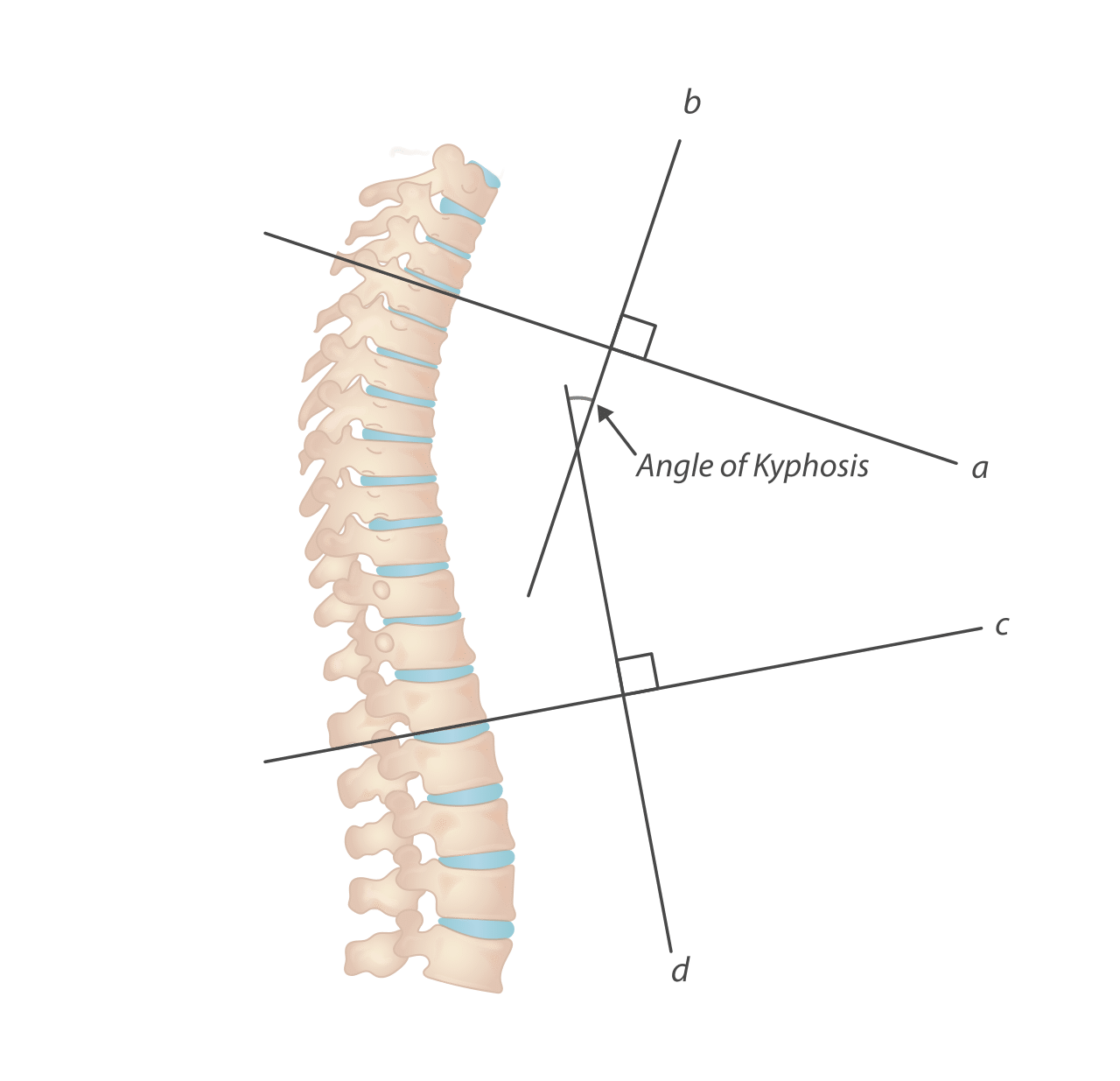
- Kyphosis: excessive rounding of the upper back
- Degenerative disc collapse at multiple levels
- Compression fractures from osteoporosis
- Adult scoliosis with a forward component
- Adjacent segment disease after a prior fusion
Symptoms
- Leaning forward when standing or walking
- Back pain and muscle fatigue that worsen through the day
- Needing to bend the knees or hips to stand upright
- Neck pain from straining to look ahead
- Reduced walking distance and needing to lean on a cart or cane
- Leg pain or numbness if nerves are also pinched
How We Diagnose Sagittal Imbalance
- Exam: posture, gait, hip flexibility and a neurological check
- Full-length standing X-rays: the key test. Specific measurements show how far your head and trunk sit in front of your pelvis and how much curve correction is needed.
- CT and MRI: show bone quality, prior hardware and pinched nerves
- Bone density testing before reconstructive surgery
Treatment Options
Non-surgical treatment
- Physical therapy: back extensor, core and hip strengthening
- Pain management with medications and injections
- Bone health treatment when osteoporosis is present
- Walking aids for safety and endurance
When surgery makes sense
For patients with significant pain or disability, surgery can often correct the problem by restoring the spine’s natural curves:
- Sagittal balance correction: realigning the spine so your head sits over your pelvis
- Osteotomies: reshaping vertebrae to restore the lower back’s curve
- Multi-level fusion with screws and rods, sometimes including lateral or front approaches to restore disc height
- Revision fusion when imbalance follows previous surgery
Why Choose Dr. Betsy Grunch for Sagittal Imbalance
- Duke-trained: neurosurgical residency and spine research fellowship at Duke University School of Medicine, where she received the Spine Young Investigator Award
- Experience you can count on: in practice since 2013, performing 400 to 600 surgeries a year and more than 5,000 procedures over her career
- Precise surgical planning: using full-length standing X-rays to calculate the correction your spine needs
- The right treatment for you: board-certified (FAANS, FACS, FCNS), she starts with the least invasive option that will work, and recommends surgery when it can correct the problem
- Clear answers: known online as Ladyspinedoc, she makes sure you understand your imaging and every option in front of you
What to Expect If You Need Surgery
Before surgery
You’ll meet with Dr. Grunch or one of her physician assistants to review your full-length X-rays and plan your correction. Preparation often includes bone health testing and medical clearance.
Procedure day
Realignment surgery is a major procedure, usually several hours long, followed by a hospital stay of several days.
Recovery timeline
- First days: up and walking with help
- Weeks 1-6: gradual walking; no bending, lifting or twisting
- Months 2-3: physical therapy
- Months 6-12: the fusion solidifies and posture and endurance continue to improve
Frequently Asked Questions
Is sagittal imbalance just bad posture?
No. Postural slouching can be corrected by standing up straight. Sagittal imbalance is a structural change in the spine that you can’t fully correct by effort alone.
Why do my legs get tired when I stand?
Your hip and thigh muscles work overtime to keep you from tipping forward, so they fatigue quickly.
Will surgery make me taller?
Many patients stand noticeably straighter and may regain some height after correction.
Am I too old for this surgery?
Age alone isn’t the deciding factor. Overall health, bone quality and your goals matter more. Dr. Grunch will discuss whether surgery is right for you.
Is there a less invasive option?
Depending on your spine, some correction may be possible through less invasive techniques. Dr. Grunch will explain the options for your case.
Take the First Step Toward Relief
Whether you need a diagnosis, a treatment plan or a second opinion, Dr. Grunch and the Southern Neurosurgery team are here to help.
Call 470-293-9800 to schedule an appointment or contact us online.
Have a question first? Ask our virtual assistant anything, 24/7.
We see patients across metro Atlanta and North Georgia at our offices in Gainesville, Sandy Springs and South Atlanta (Riverdale). Find the office nearest you.
This page is for educational purposes only and is not a substitute for medical advice. If you have sudden weakness, numbness in the groin, or bladder or bowel changes, call 911 or go to the nearest emergency room.