
Kyphosis: Treating a Rounded Upper Back
A rounded upper back is more than a posture problem when it causes pain, fatigue or trouble standing upright. Understanding the cause of kyphosis is the first step toward standing taller.
What Is Kyphosis?
Every spine has a gentle forward curve in the upper back. Kyphosis means that curve has become excessive, causing a rounded or hunched posture. Mild kyphosis is common and often harmless. More severe or progressive kyphosis can cause back pain, fatigue, difficulty looking straight ahead, and in some cases pressure on the spinal cord.
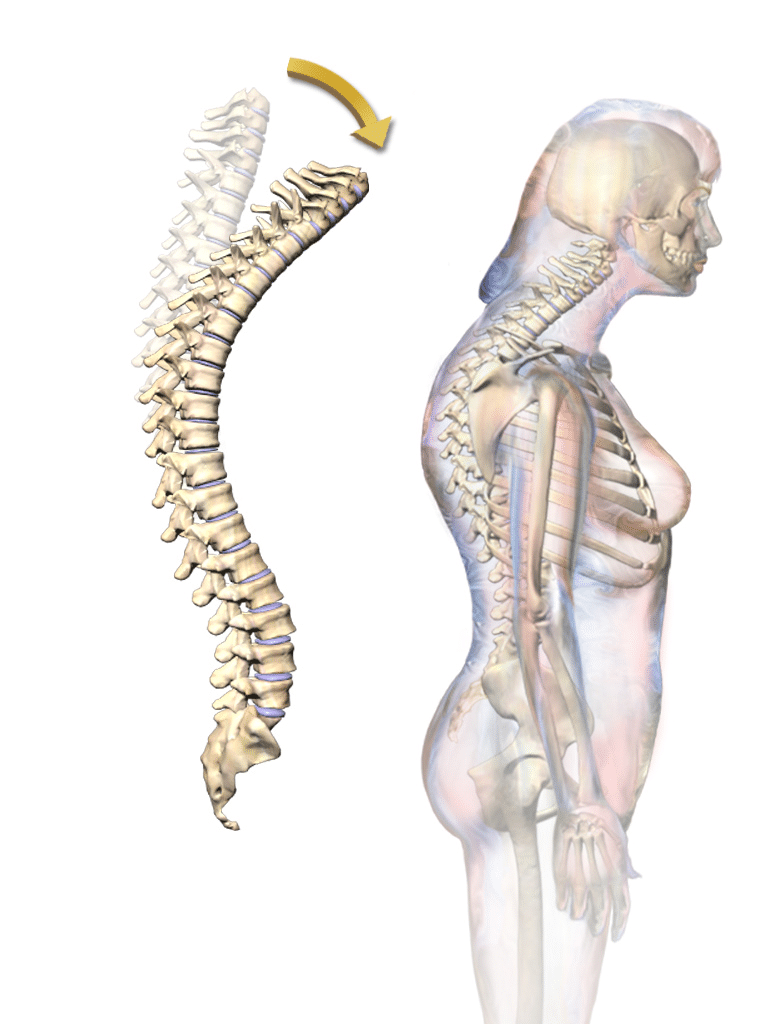
Many people improve with exercise and posture work. When kyphosis is caused by fractures, is getting worse, or causes nerve symptoms, treatments from kyphoplasty to surgical correction can often correct the problem.
Types and Causes of Kyphosis
- Postural kyphosis: from slouching; flexible and correctable with exercise
- Osteoporotic kyphosis: from compression fractures that wedge the vertebrae forward
- Degenerative kyphosis: from disc and joint wear with age
- Scheuermann’s kyphosis: develops during adolescence when vertebrae grow wedge-shaped
- Congenital kyphosis: from vertebrae that formed differently before birth
- Post-surgical or post-traumatic kyphosis: after fractures or previous spine surgery
Symptoms
Common symptoms
- A visibly rounded upper back
- Back pain and stiffness
- Muscle fatigue, especially when standing or walking
- Difficulty standing up straight or looking straight ahead
Symptoms patients often ignore
- Losing height
- Needing to bend your knees or lean on something to stand upright
- Shortness of breath or feeling full quickly with severe curves
- Leg weakness, numbness or balance problems, which can signal spinal cord pressure
When to seek care promptly: New leg weakness, numbness, balance problems or bladder changes need prompt evaluation.
How We Diagnose Kyphosis
- Exam: posture, flexibility of the curve and a neurological check
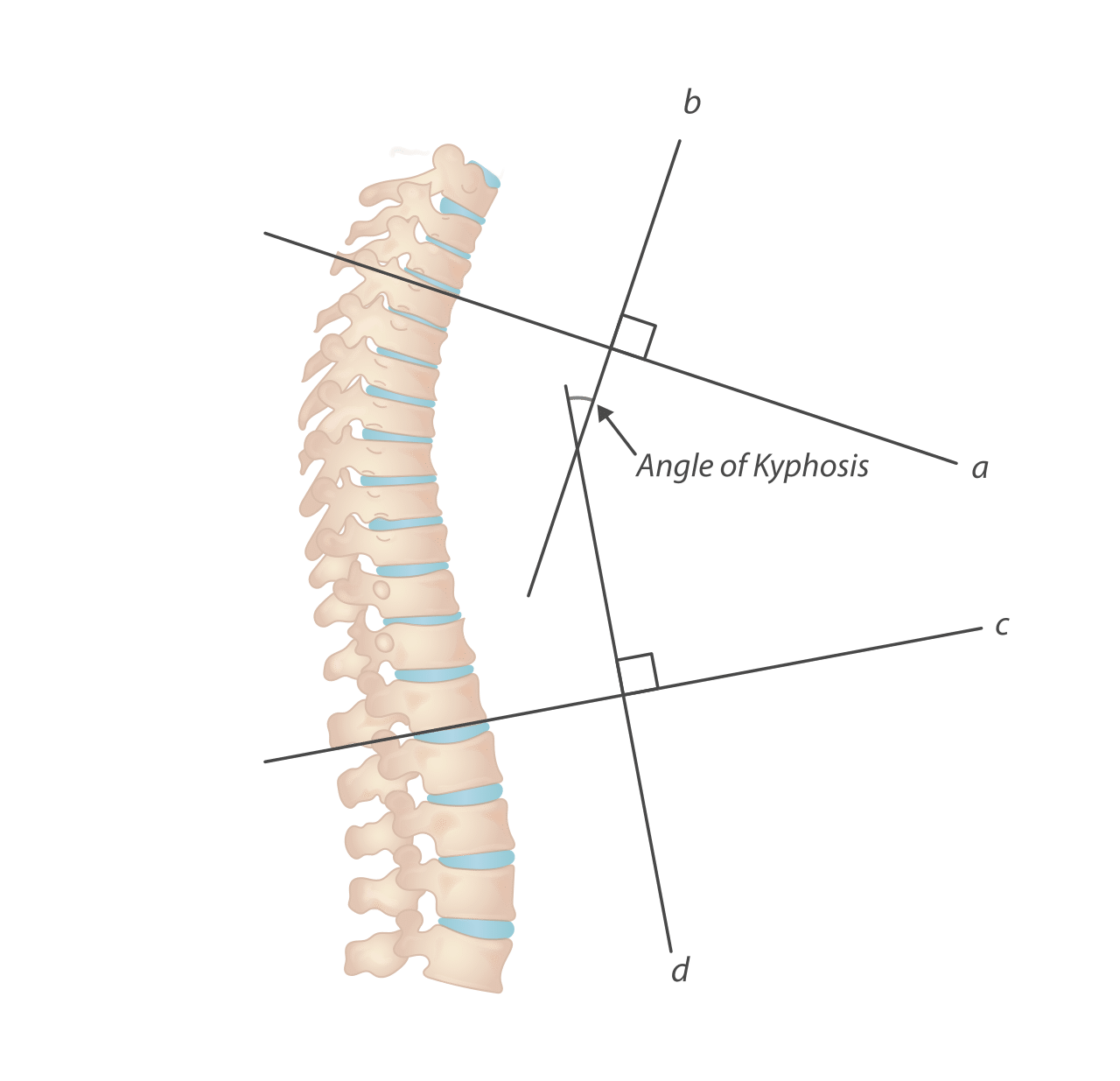
- Full-length standing X-rays: measure the curve and overall spinal balance
- MRI or CT: look for fractures, disc problems or spinal cord compression
- Bone density testing: when osteoporosis is suspected
Treatment Options
Non-surgical treatment
- Physical therapy: back extensor and core strengthening, posture training and flexibility
- Osteoporosis treatment to prevent further fractures
- Bracing for some adolescents who are still growing
- Pain management with medications and injections
Minimally invasive procedures
When painful compression fractures are driving the curve, kyphoplasty can stabilize the fractured bone and relieve pain.
When surgery makes sense
Surgery is considered for severe or progressive curves, persistent pain despite treatment, loss of balance, or spinal cord compression. In these cases, surgery can often correct the problem:
- Kyphosis correction: straightening and stabilizing the spine with screws and rods
- Osteotomies: carefully reshaping vertebrae to correct rigid curves
- Decompression when the spinal cord or nerves are compressed
Why Choose Dr. Betsy Grunch for Kyphosis
- Duke-trained: neurosurgical residency and spine research fellowship at Duke University School of Medicine, where she received the Spine Young Investigator Award
- Experience you can count on: in practice since 2013, performing 400 to 600 surgeries a year and more than 5,000 procedures over her career
- From kyphoplasty to deformity correction: treatment matched to what is causing your curve
- The right treatment for you: board-certified (FAANS, FACS, FCNS), she starts with the least invasive option that will work, and recommends surgery when it can correct the problem
- Clear answers: known online as Ladyspinedoc, she makes sure you understand your imaging and every option in front of you
What to Expect If You Need Surgery
Before surgery
You’ll meet with Dr. Grunch or one of her physician assistants to review your X-rays and plan your procedure. Bone health and medical clearance are often part of preparation.
Procedure day
Kyphoplasty is usually outpatient. Kyphosis correction surgery typically involves a hospital stay of several days.
Recovery timeline
- First days: walking with help
- Weeks 1-6: gradual walking; no bending, lifting or twisting
- Months 2-3: physical therapy
- Months 6-12: the fusion becomes solid and posture and endurance continue to improve
Frequently Asked Questions
Can posture exercises fix kyphosis?
They can improve postural kyphosis and help manage symptoms of other types, but they don’t reverse curves caused by wedged vertebrae.
Is kyphosis just part of getting older?
Some rounding is common with age, but significant or worsening kyphosis often has a treatable cause, such as osteoporosis fractures.
Will my curve keep getting worse?
It depends on the cause. Treating osteoporosis and staying active help. Regular X-rays track progression.
When is kyphosis surgery recommended?
When the curve is severe or worsening, causes significant pain or imbalance, or presses on the spinal cord.
Is kyphosis related to scoliosis?
Both are abnormal spinal curves. Kyphosis is a forward rounding; scoliosis is a sideways curve. Some people have both.
Take the First Step Toward Relief
Whether you need a diagnosis, a treatment plan or a second opinion, Dr. Grunch and the Southern Neurosurgery team are here to help.
Call 470-293-9800 to schedule an appointment or contact us online.
Have a question first? Ask our virtual assistant anything, 24/7.
We see patients across metro Atlanta and North Georgia at our offices in Gainesville, Sandy Springs and South Atlanta (Riverdale). Find the office nearest you.
This page is for educational purposes only and is not a substitute for medical advice. If you have sudden weakness, numbness in the groin, or bladder or bowel changes, call 911 or go to the nearest emergency room.