
Compression Fractures: Fast Relief for a Collapsed Vertebra
Sudden back pain after bending, lifting or even coughing, especially if you’re over 60 or have osteoporosis, may be a compression fracture. The pain can be severe, but effective treatments can bring relief quickly.
What Is a Compression Fracture?
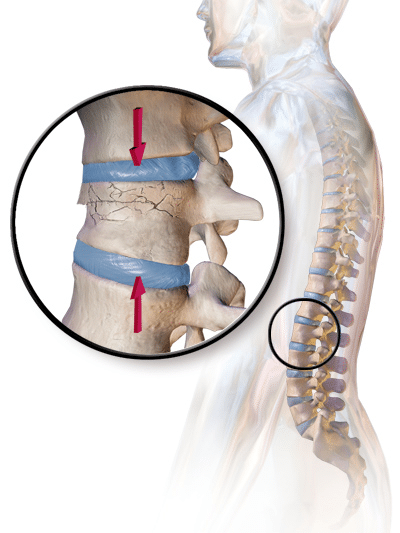
A compression fracture happens when the front part of a vertebra collapses, leaving it wedge-shaped. It most often happens in the mid-back or upper low back.
Most compression fractures are caused by osteoporosis, which weakens bone so that everyday activities can cause a break. They can also result from a fall or injury, or from cancer that has spread to the spine.
Many compression fractures heal on their own over 6 to 12 weeks. When pain is severe or doesn’t improve, a minimally invasive procedure called kyphoplasty can stabilize the bone and often relieve pain within days.
What’s Happening in Your Spine
- The front of the vertebra collapses while the back stays intact, so the bone becomes wedge-shaped
- Several fractures over time can cause height loss and a rounded upper back (kyphosis)
- Most compression fractures are stable and don’t affect the spinal cord, but more severe collapse can narrow the canal
Symptoms
Common symptoms
- Sudden, sharp back pain, often in the mid-back
- Pain that worsens with standing, walking or twisting and improves lying down
- Difficulty getting in and out of bed or a chair
Symptoms patients often ignore
- Losing an inch or more of height
- Clothes fitting differently or a more stooped posture
- Pain that wraps around the ribs
- Back pain after a minor event like a cough, sneeze or lifting a light object
When it’s an emergency: New leg weakness, numbness, or bladder or bowel changes need emergency care. Call 911 or go to the nearest emergency room.
Causes and Risk Factors
- Osteoporosis: the leading cause, especially in women after menopause
- Age over 65
- Long-term steroid use
- Smoking, heavy alcohol use and low vitamin D or calcium
- A previous compression fracture
- Cancer that has spread to the spine, or multiple myeloma
How We Diagnose Compression Fractures
- Exam: tenderness over the spine and a neurological check
- X-rays: show the wedge-shaped vertebra and how much it has collapsed
- MRI: shows whether the fracture is new and still healing, which helps decide if kyphoplasty will help
- CT scan: checks the back wall of the vertebra and the spinal canal
- Bone density scan and lab work: to evaluate and treat osteoporosis
Treatment Options
Non-surgical treatment
- Pain control and limited rest, followed by early walking
- A back brace for comfort and support
- Osteoporosis treatment to strengthen bone and prevent new fractures
- Physical therapy for posture and back strength as the fracture heals
Kyphoplasty and vertebroplasty
When pain is severe, keeps you from walking or doesn’t improve after a few weeks, a minimally invasive procedure can stabilize the fracture:
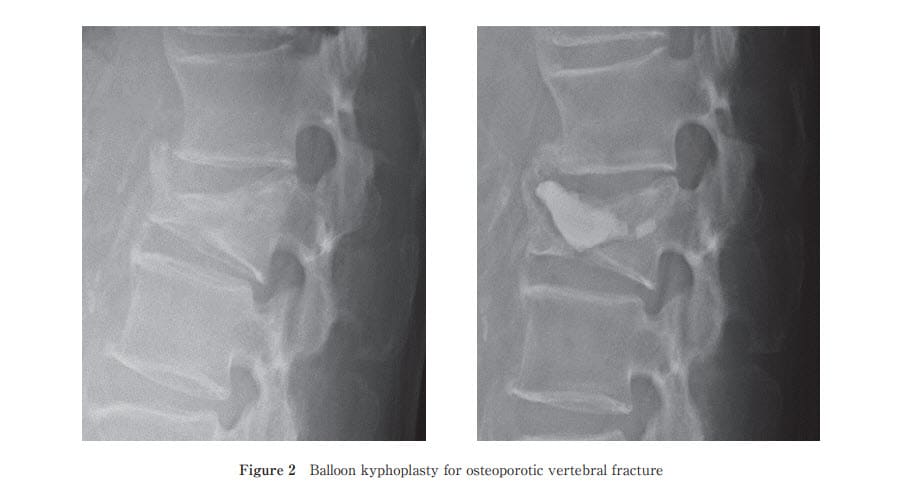
- Kyphoplasty: through a small needle, a balloon creates space inside the collapsed bone, which is then filled with bone cement. It can restore some height and often relieves pain within days.
- Vertebroplasty: bone cement is injected directly into the fracture to stabilize it
When surgery makes sense
Larger surgery is rarely needed but may be recommended when a fracture is unstable, presses on the spinal cord or nerves, or causes progressive deformity. In these cases, fracture stabilization can often correct the problem.
Why Choose Dr. Betsy Grunch for Compression Fractures
- Duke-trained: neurosurgical residency and spine research fellowship at Duke University School of Medicine, where she received the Spine Young Investigator Award
- Experience you can count on: in practice since 2013, performing 400 to 600 surgeries a year and more than 5,000 procedures over her career
- Kyphoplasty expertise: a minimally invasive outpatient procedure that can relieve fracture pain quickly
- The right treatment for you: board-certified (FAANS, FACS, FCNS), she starts with the least invasive option that will work, and recommends surgery when it can correct the problem
- Clear answers: known online as Ladyspinedoc, she makes sure you understand your imaging and every option in front of you
What to Expect If You Need Kyphoplasty
Before the procedure
You’ll meet with Dr. Grunch or one of her physician assistants to review your X-rays and MRI and confirm that the fracture is likely to benefit.
Procedure day
Kyphoplasty usually takes under an hour per level and is typically done as an outpatient procedure. Most patients go home the same day.
Recovery timeline
- Days 1-3: walking right away; many patients notice pain relief quickly
- Weeks 1-2: return to light daily activities
- Weeks 2-6: avoid heavy lifting and bending
- Ongoing: osteoporosis treatment to protect the rest of the spine
Frequently Asked Questions
How long does a compression fracture take to heal?
Most heal in about 6 to 12 weeks. Pain often improves gradually over that time.
Is kyphoplasty safe?
It is a commonly performed, minimally invasive procedure with a low risk of complications. Dr. Grunch will review the specific risks with you.
Can I prevent another fracture?
Treating osteoporosis, getting enough calcium and vitamin D, staying active, and preventing falls all lower your risk.
Should I stay in bed?
No. Long bed rest weakens bones and muscles. Gentle walking, as comfort allows, helps recovery.
Is it too late for kyphoplasty if my fracture is old?
Kyphoplasty works best on fractures that are still healing. An MRI shows whether yours is likely to benefit.
Take the First Step Toward Relief
Whether you need a diagnosis, a treatment plan or a second opinion, Dr. Grunch and the Southern Neurosurgery team are here to help.
Call 470-293-9800 to schedule an appointment or contact us online.
Have a question first? Ask our virtual assistant anything, 24/7.
We see patients across metro Atlanta and North Georgia at our offices in Gainesville, Sandy Springs and South Atlanta (Riverdale). Find the office nearest you.
This page is for educational purposes only and is not a substitute for medical advice. If you have sudden weakness, numbness in the groin, or bladder or bowel changes, call 911 or go to the nearest emergency room.