
Neuropathic Pain: Relief for Burning, Shooting Nerve Pain
Nerve pain feels different from other pain: burning, electric, stabbing or pins and needles that can persist long after an injury heals. It’s real, it’s common, and when medications aren’t enough, there are advanced treatments that can help.
What Is Neuropathic Pain?
Neuropathic pain is pain caused by damage to or a problem with the nerves themselves, rather than by an injury to tissue like muscle or bone. Damaged nerves can send pain signals even when there’s no ongoing injury, and the nervous system can become more sensitive over time.
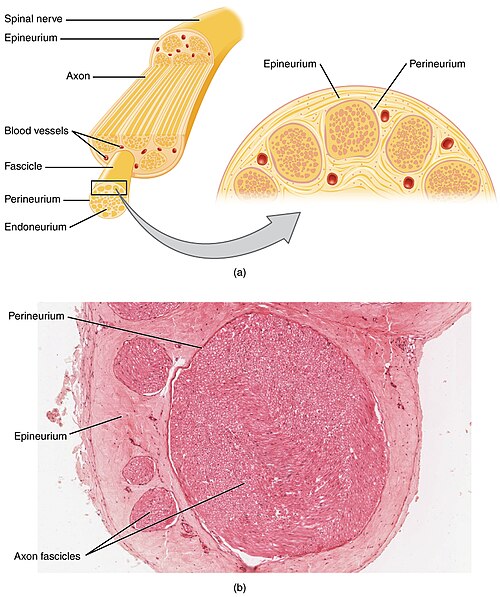
It can come from the peripheral nerves, the nerve roots in the spine, the spinal cord or the brain. Because the cause is in the nerves, typical pain relievers often don’t work well, and treatment needs a different approach.
Symptoms
- Burning, shooting, stabbing or electric shock-like pain
- Tingling, pins and needles, or numbness
- Pain from things that normally don’t hurt, such as light touch or clothing (allodynia)
- Exaggerated pain from mildly painful things (hyperalgesia)
- Pain that’s often worse at night
- Trouble sleeping, low mood and anxiety, which often come with chronic pain
Causes
- Peripheral neuropathy, especially from diabetes
- Pinched nerve roots in the spine, such as sciatica
- Persistent pain after spine surgery (failed back surgery syndrome)
- Complex regional pain syndrome (CRPS)
- Shingles (postherpetic neuralgia)
- Nerve injuries, including after surgery or amputation
- Spinal cord injury, multiple sclerosis or stroke
- Chemotherapy
How We Diagnose Neuropathic Pain
- Detailed history and exam: the description of the pain and the pattern of numbness or sensitivity are key clues
- MRI: to look for pinched nerves, spinal stenosis or other spine causes
- EMG/nerve conduction studies: to measure nerve damage
- Blood tests: for causes of neuropathy
Treatment Options
Non-surgical treatment comes first
- Nerve pain medications: gabapentin, pregabalin, duloxetine and certain antidepressants
- Topical treatments: lidocaine and capsaicin
- Physical therapy and regular activity
- Injections and nerve blocks
- Psychological support: cognitive behavioral therapy and pain coping skills
- Treating the underlying cause, such as a compressed nerve
Advanced and surgical options
When a nerve is being compressed, relieving that pressure with surgery can often correct the problem. For long-lasting nerve pain that doesn’t respond to other treatments, neuromodulation can help:
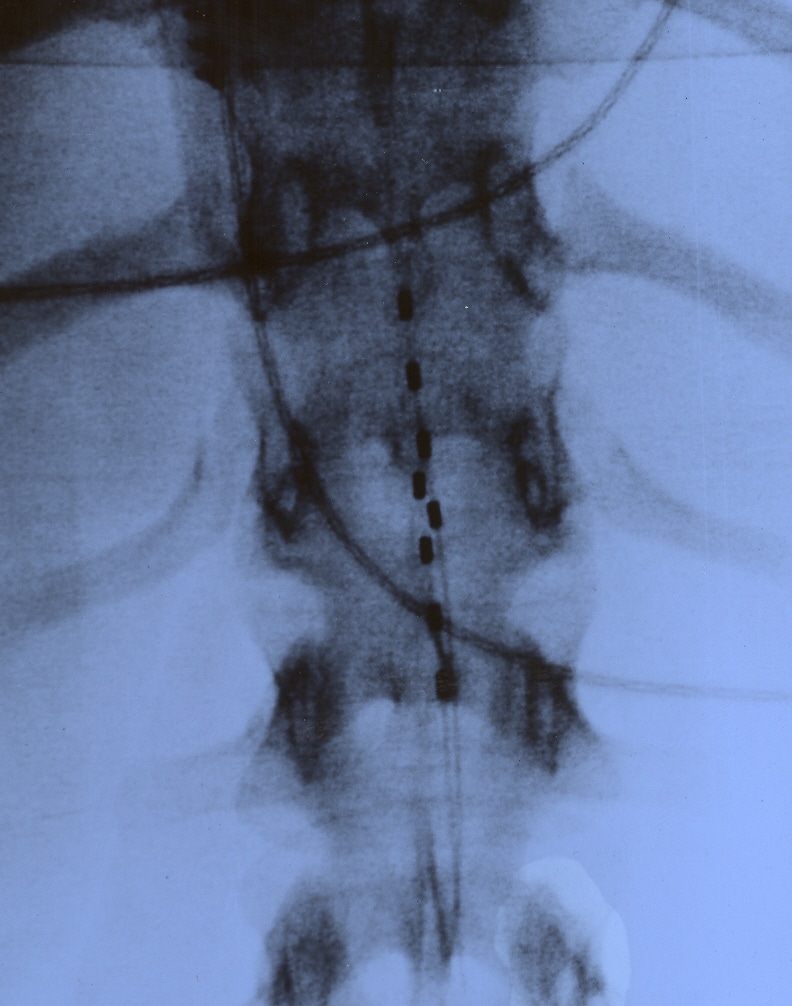
- Spinal cord stimulation: thin leads placed near the spinal cord deliver mild electrical signals that change how pain is felt; a short trial comes first to see if it helps
- Intrathecal pain pump: delivers small doses of medication directly to the spinal fluid for selected patients
Why Choose Dr. Betsy Grunch for Neuropathic Pain
- Duke-trained: neurosurgical residency and spine research fellowship at Duke University School of Medicine, where she received the Spine Young Investigator Award
- Experience you can count on: in practice since 2013, performing 400 to 600 surgeries a year and more than 5,000 procedures over her career
- Finding the source: as a neurosurgeon who treats the spine and nerves, she looks for a correctable cause first, and offers spinal cord stimulation and pain pumps when appropriate
- The right treatment for you: board-certified (FAANS, FACS, FCNS), she starts with the least invasive option that will work, and recommends surgery when it can correct the problem
- Clear answers: known online as Ladyspinedoc, she makes sure you understand your imaging and every option in front of you
What to Expect If You Need a Procedure
Before the procedure
You’ll meet with Dr. Grunch or one of her physician assistants to review your history, imaging and prior treatments. Spinal cord stimulation usually starts with a trial lasting several days to a week.
Procedure day
Spinal cord stimulator trials are outpatient. A permanent stimulator or pain pump is placed through small incisions, often with same-day discharge or a short stay.
Recovery
- Weeks 1-2: incision healing; limit bending, twisting and lifting
- Weeks 2-6: device programming and adjustments; gradual return to activity
- Ongoing: follow-up visits to fine-tune therapy
Frequently Asked Questions
Why don’t regular pain relievers help my nerve pain?
Nerve pain comes from abnormal nerve signals, not inflammation, so medications that calm nerves usually work better than standard pain relievers.
Is nerve pain “in my head”?
No. Neuropathic pain is a real result of nerve damage, though stress and sleep can affect how strongly it’s felt.
What is a spinal cord stimulator?
A small implanted device that sends mild signals to the spinal cord to reduce how pain is felt. You try it first before committing to a permanent device.
Can nerve pain be cured?
Sometimes, when the cause can be corrected. Otherwise, treatment aims to reduce pain and improve function and quality of life.
Will I need opioids?
Opioids are generally not a first choice for nerve pain. Other medications and treatments are usually more effective and safer.
Take the First Step Toward Relief
Whether you need a diagnosis, a treatment plan or a second opinion, Dr. Grunch and the Southern Neurosurgery team are here to help.
Call 470-293-9800 to schedule an appointment or contact us online.
Have a question first? Ask our virtual assistant anything, 24/7.
We see patients across metro Atlanta and North Georgia at our offices in Gainesville, Sandy Springs and South Atlanta (Riverdale). Find the office nearest you.
This page is for educational purposes only and is not a substitute for medical advice. If you have sudden, severe weakness or numbness, especially on one side of the body or with trouble speaking, call 911 or go to the nearest emergency room.