
Spinal Cord Injury: Urgent Care, Surgery and the Road to Recovery
If you suspect a spinal cord injury after an accident or fall, call 911. Do not move the injured person unless they are in immediate danger. Keep the head and neck still until help arrives.
What Is a Spinal Cord Injury?
The spinal cord carries messages between your brain and the rest of your body. A spinal cord injury happens when the cord is bruised, compressed or torn, interrupting those messages below the level of injury. It can affect movement, sensation, breathing, bladder and bowel control, blood pressure and more.
Every spinal cord injury is different. Some are incomplete, meaning some signals still get through, and many people with incomplete injuries regain meaningful function. Fast emergency care, surgery when needed, and dedicated rehabilitation give the best chance of recovery.
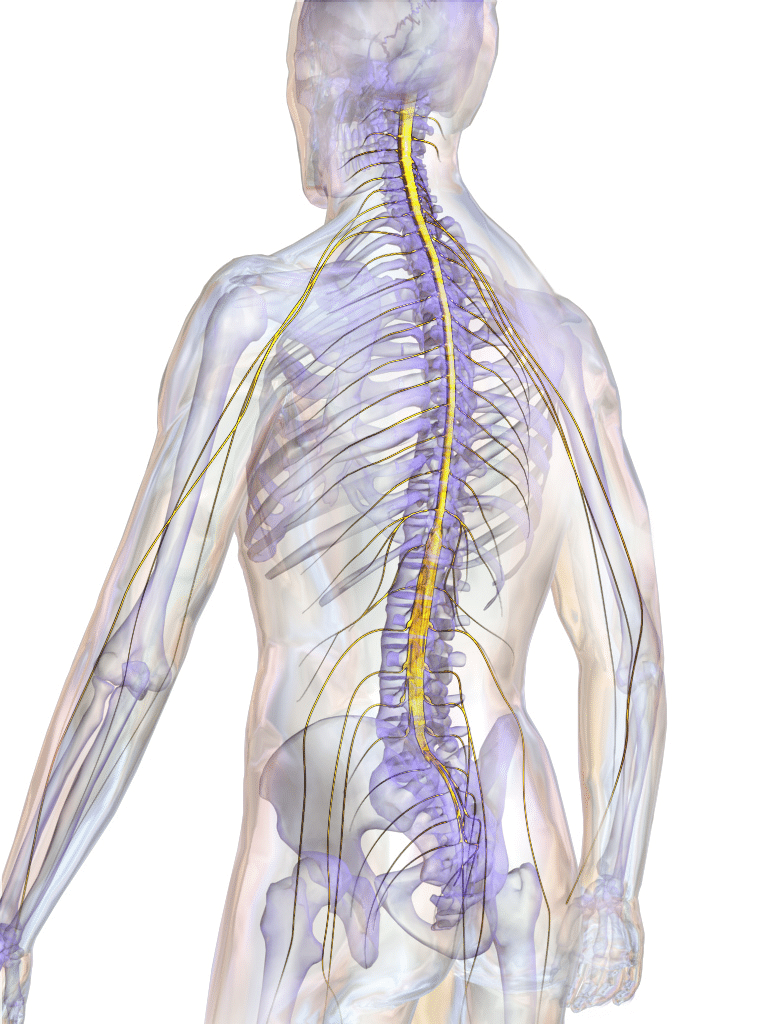
Types and Levels of Injury
- Complete injury: no movement or feeling below the level of injury
- Incomplete injury: some movement or sensation remains below the injury, with greater potential for recovery
- Cervical (neck) injuries: can affect the arms, legs, trunk and breathing (tetraplegia)
- Thoracic and lumbar injuries: typically affect the legs and trunk (paraplegia)
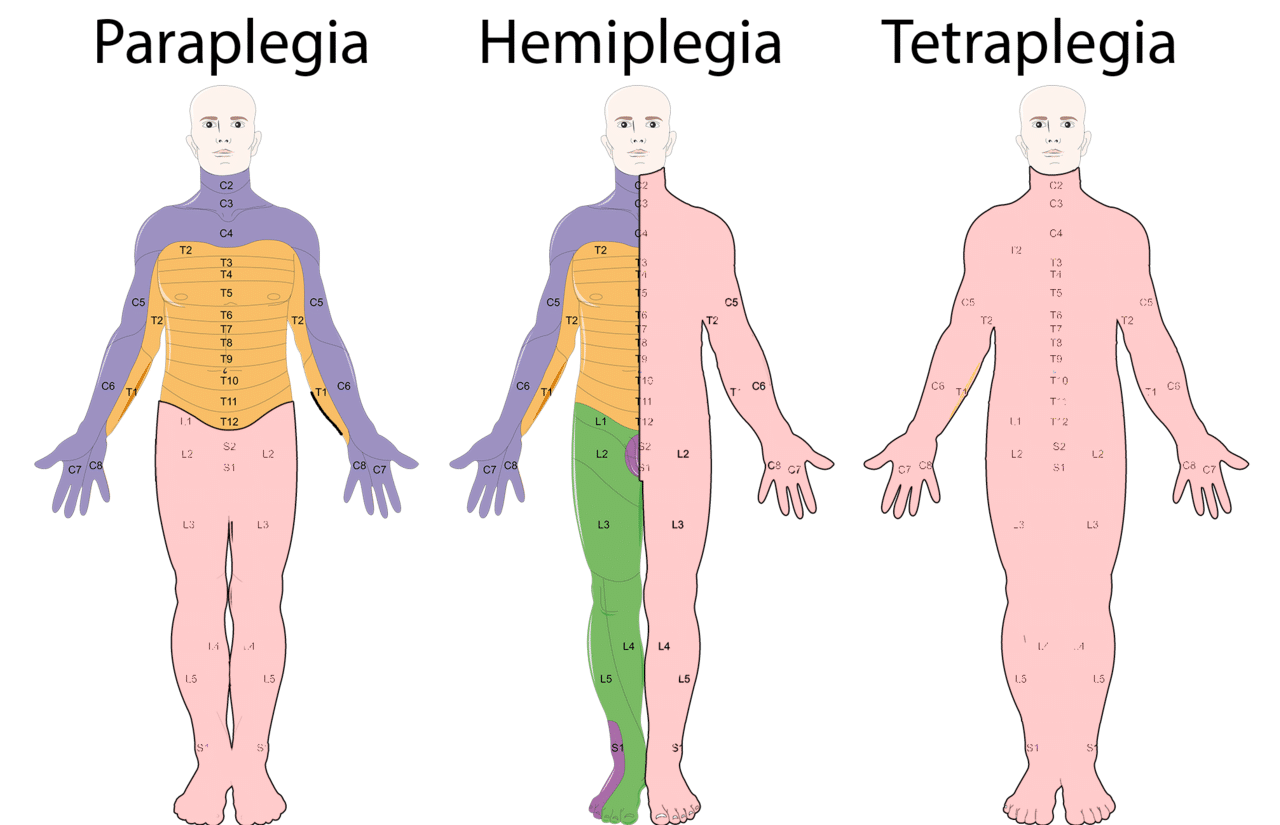
Symptoms
- Weakness or paralysis in the arms or legs
- Numbness, tingling or loss of sensation
- Loss of bladder or bowel control
- Severe neck or back pain after an injury
- Difficulty breathing with high neck injuries
Causes
- Trauma: car and motorcycle accidents, falls, sports injuries, diving into shallow water and violence
- Falls in older adults, especially with existing spinal stenosis, where even a minor fall can injure the cord
- Non-traumatic causes: tumors, infection, bleeding or severe spinal cord compression
How Spinal Cord Injury Is Diagnosed
- Emergency neurological exam: strength, sensation and reflexes to determine the level and severity of injury
- CT scan: quickly shows fractures and alignment
- MRI: shows the spinal cord itself, ligament injury and any compression
Treatment
Emergency care
- Immobilizing the spine to prevent further injury
- Intensive care monitoring, including blood pressure support to protect blood flow to the cord
- Breathing support when needed
Surgery
When bone, disc or blood is pressing on the spinal cord, or when the spine is unstable, surgery is performed to relieve pressure and stabilize the spine. Research suggests that early decompression, often within the first 24 hours when it is safe, may improve recovery. Surgery may include:
- Decompression to remove fragments or tissue pressing on the cord
- Spinal stabilization after trauma with screws, rods or plates
- Fusion to allow the injured segment to heal solidly
Rehabilitation
Recovery continues long after the hospital. Inpatient rehabilitation, physical and occupational therapy, and ongoing care for bladder, bowel, skin and pain are essential parts of treatment.
Why Choose Dr. Betsy Grunch for Spinal Cord Injury
- A personal mission: Dr. Grunch’s path to neurosurgery began when she was 14, after her mother suffered a spinal cord injury that left her quadriplegic. That experience shaped her career and the care she brings to every patient and family facing a spinal cord injury.
- Duke-trained: neurosurgical residency and spine research fellowship at Duke University School of Medicine, where she received the Spine Young Investigator Award
- Experience you can count on: in practice since 2013, performing 400 to 600 surgeries a year and more than 5,000 procedures over her career
- Emergency and long-term spine care: from urgent decompression and stabilization to follow-up care for complications after injury
- The right treatment for you: board-certified (FAANS, FACS, FCNS), she starts with the least invasive option that will work, and recommends surgery when it can correct the problem
- Clear answers: known online as Ladyspinedoc, she makes sure you understand your imaging and every option in front of you
Recovery
- Hospital stay: often days to weeks, followed by inpatient rehabilitation
- First 6 months: the period of greatest recovery for most incomplete injuries
- Up to 12-18 months and beyond: continued gains are possible with therapy
- Lifelong care: regular follow-up to prevent and treat complications
Frequently Asked Questions
Will I walk again?
It depends on whether the injury is complete or incomplete and on its level. Many people with incomplete injuries regain significant function. Your care team will give you the most accurate outlook based on your exam.
Why is surgery done so quickly?
Relieving pressure on the spinal cord and stabilizing the spine early may protect the cord from further damage and improve the chance of recovery.
Can a minor fall cause a spinal cord injury?
Yes, particularly in older adults with arthritis or a narrow spinal canal in the neck. New weakness or numbness after any fall needs urgent evaluation.
What problems can develop later?
Some people develop pain, spasticity, a fluid-filled cavity in the cord (syringomyelia) or problems with hardware over time. New or worsening symptoms should be evaluated.
Can you see me after my emergency surgery was done elsewhere?
Yes. Dr. Grunch is glad to provide follow-up care and second opinions after a spinal cord injury.
Follow-Up Care with Southern Neurosurgery
For a new injury, call 911 or go to the nearest emergency room.
For follow-up care, second opinions or questions about long-term issues after a spinal cord injury, call 470-293-9800 or contact us online. Have a non-urgent question? Ask our virtual assistant, 24/7.
We see patients across metro Atlanta and North Georgia at our offices in Gainesville, Sandy Springs and South Atlanta (Riverdale). Find the office nearest you.
This page is for educational purposes only and is not a substitute for medical advice. If you have sudden weakness, numbness in the groin, or bladder or bowel changes, call 911 or go to the nearest emergency room.