
Complex Regional Pain Syndrome (CRPS): Treatment for Severe, Lasting Limb Pain
When pain after an injury is far worse than expected and spreads, burns and changes the skin, it may be complex regional pain syndrome. CRPS is real, it’s treatable, and early treatment gives the best chance of improvement.
What Is Complex Regional Pain Syndrome?
Complex regional pain syndrome (CRPS) is a chronic pain condition that usually affects an arm, hand, leg or foot after an injury, surgery, fracture or even a sprain. The pain is much more severe and lasts much longer than expected from the original injury. CRPS involves abnormal responses in the nerves, the immune system and blood flow, which cause pain, swelling and changes in the skin.
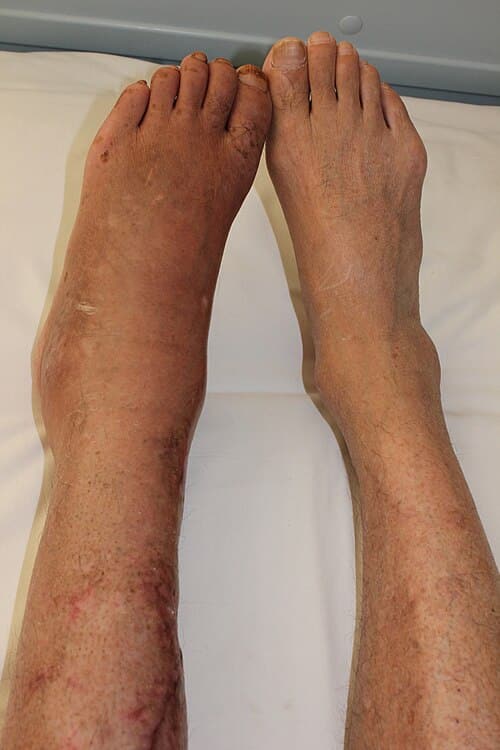
Types of CRPS
- CRPS type 1: develops without a confirmed nerve injury; the most common type
- CRPS type 2: develops after a confirmed injury to a specific nerve
Symptoms
- Constant burning, throbbing or stabbing pain
- Extreme sensitivity to touch or cold, even clothing or a breeze
- Swelling of the affected limb
- Changes in skin color (red, purple or blotchy) and temperature (warmer or cooler than the other side)
- Changes in skin texture, hair and nail growth
- Joint stiffness, weakness and tremors or spasms
- Pain that spreads beyond the original injury
Causes and Risk Factors
- Fractures, especially wrist fractures
- Sprains and soft tissue injuries
- Surgery, including on the hand or foot
- Prolonged immobilization in a cast or splint
- Nerve injuries
- More common in women and between ages 40 and 60
How We Diagnose CRPS
There’s no single test for CRPS. It’s diagnosed based on symptoms and exam findings using established criteria (the Budapest criteria), after ruling out other causes. Tests that may help include:
- X-rays or bone scans to look for bone changes
- Nerve studies to check for nerve injury
- MRI to rule out other conditions
- Comparing skin temperature between limbs
Treatment Options
Treatment works best when started early and usually combines several approaches:
Non-surgical treatment comes first
- Physical and occupational therapy: the foundation of treatment, using gentle movement, desensitization and graded exercise to restore function
- Medications: nerve pain medications, anti-inflammatories, short courses of steroids and bone-protecting medications in some cases
- Nerve blocks: such as sympathetic nerve blocks to reduce pain and allow therapy
- Psychological support: coping skills, relaxation and treating anxiety or depression that often come with chronic pain
Spinal cord stimulation
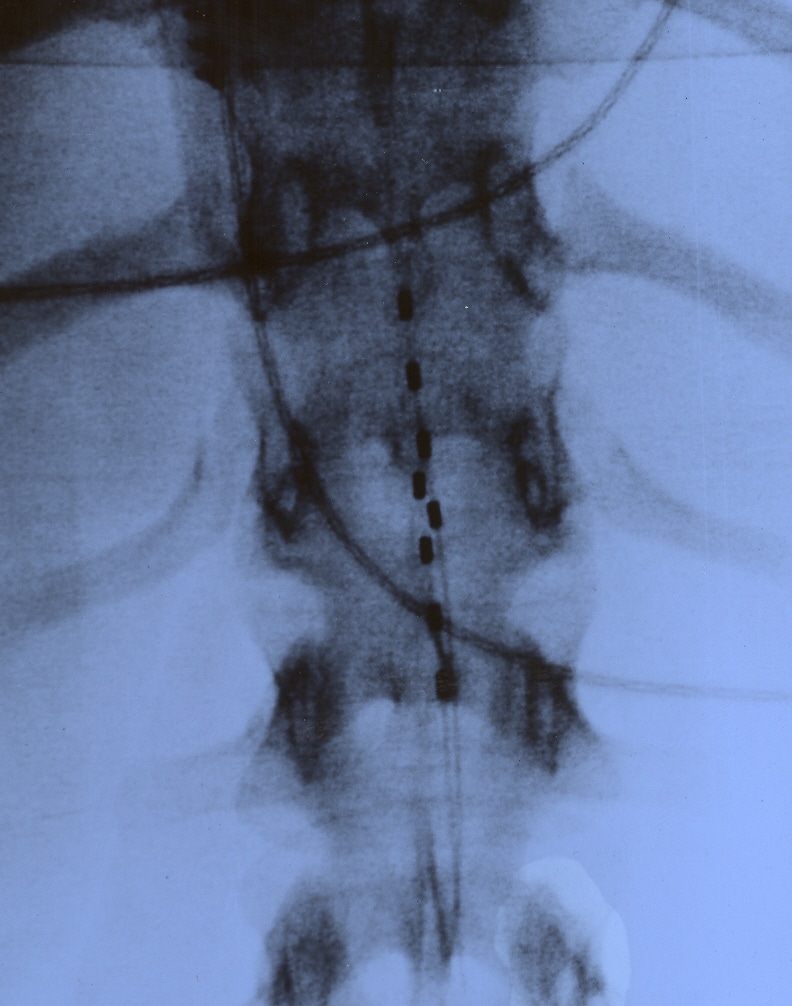
For CRPS that doesn’t respond to other treatments, spinal cord stimulation is one of the best-studied advanced options. Thin leads placed near the spinal cord deliver mild electrical signals that can reduce pain and help patients participate in therapy. A short trial comes first to see whether it helps.
Why Choose Dr. Betsy Grunch for CRPS
- Duke-trained: neurosurgical residency and spine research fellowship at Duke University School of Medicine, where she received the Spine Young Investigator Award
- Experience you can count on: in practice since 2013, performing 400 to 600 surgeries a year and more than 5,000 procedures over her career
- Advanced options when you need them: she offers spinal cord stimulation for patients whose CRPS hasn’t responded to other treatments
- The right treatment for you: board-certified (FAANS, FACS, FCNS), she starts with the least invasive option that will work, and recommends surgery when it can correct the problem
- Clear answers: known online as Ladyspinedoc, she makes sure you understand your imaging and every option in front of you
What to Expect If You Need a Spinal Cord Stimulator
Before the procedure
You’ll meet with Dr. Grunch or one of her physician assistants to review your history and prior treatments. Most patients have a psychological evaluation and a trial before a permanent device.
The trial
Temporary leads are placed in an outpatient procedure and worn for several days to a week to see how much the stimulator helps.
Permanent placement and recovery
- Procedure day: leads and a small battery are placed through small incisions, often with same-day discharge
- Weeks 1-6: limit bending, twisting and lifting while the leads settle; programming adjustments
- Ongoing: continued therapy and follow-up to fine-tune settings
Frequently Asked Questions
Is CRPS real?
Yes. CRPS is a recognized medical condition with real changes in the nerves, blood flow and immune system.
Can CRPS go away?
Many people improve, especially with early treatment. Some have long-lasting symptoms that can be managed.
Why is therapy so important if moving hurts?
Gentle, guided movement helps retrain the nervous system and prevents stiffness and muscle loss. Avoiding movement can make CRPS worse.
Does a spinal cord stimulator cure CRPS?
It doesn’t cure it, but it can significantly reduce pain for many patients and make therapy possible.
Can CRPS spread?
It can spread within a limb and, less commonly, to other limbs. Early treatment may help limit this.
Take the First Step Toward Relief
Whether you need a diagnosis, a treatment plan or a second opinion, Dr. Grunch and the Southern Neurosurgery team are here to help.
Call 470-293-9800 to schedule an appointment or contact us online.
Have a question first? Ask our virtual assistant anything, 24/7.
We see patients across metro Atlanta and North Georgia at our offices in Gainesville, Sandy Springs and South Atlanta (Riverdale). Find the office nearest you.
This page is for educational purposes only and is not a substitute for medical advice. If you have sudden, severe weakness or numbness, especially on one side of the body or with trouble speaking, call 911 or go to the nearest emergency room.