
Peripheral Neuropathy: Answers for Numbness, Tingling and Burning in the Hands and Feet
Numb, tingling or burning feet can make walking, sleeping and daily life harder. Peripheral neuropathy has many causes, and finding yours, and making sure the problem isn’t coming from your spine, is the first step toward feeling better.
What Is Peripheral Neuropathy?
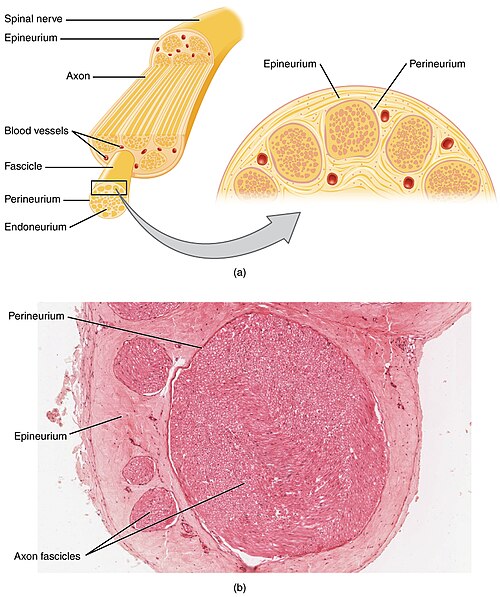
Peripheral neuropathy is damage to the peripheral nerves, the nerves outside the brain and spinal cord that carry signals to and from the rest of the body. It most often affects the longest nerves first, so symptoms usually start in the toes and feet and can later spread to the hands, in a “stocking and glove” pattern.
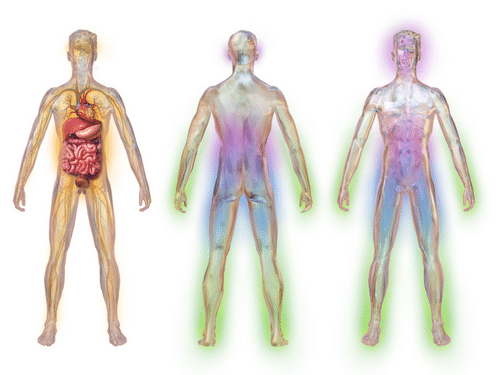
Neuropathy can affect sensory nerves (feeling), motor nerves (strength) and autonomic nerves (functions like blood pressure, digestion and sweating). Some people have one type; many have a mix.
Symptoms
Common symptoms
- Numbness, tingling or “pins and needles” in the feet or hands
- Burning, stabbing or electric pain, often worse at night
- Feeling like you’re wearing socks or gloves when you’re not
- Sensitivity to touch, even bedsheets
- Balance problems and falls
- Muscle weakness or cramps
Symptoms patients often ignore
- Cuts or blisters on the feet that you didn’t feel
- Trouble feeling the ground or pedals while driving
- Dizziness when standing, bowel or bladder changes, or abnormal sweating (autonomic neuropathy)
Causes and Risk Factors
- Diabetes: the most common cause
- Vitamin deficiencies: especially B12
- Heavy alcohol use
- Chemotherapy and certain other medications
- Thyroid and kidney disease
- Autoimmune and inflammatory conditions
- Infections such as shingles, HIV or Lyme disease
- Inherited neuropathies
- No known cause: in many people, no cause is found (idiopathic neuropathy)
How We Diagnose Peripheral Neuropathy
- History and neurological exam: pattern of symptoms, reflexes, sensation, strength and balance
- Blood tests: for diabetes, vitamin levels, thyroid and kidney function, and other causes
- EMG/nerve conduction studies: confirm neuropathy and show its type and severity
- Spine imaging: MRI of the lower back or neck when symptoms could come from spinal stenosis or a pinched nerve, which can look very similar and often occurs alongside neuropathy
- Nerve biopsy: in selected cases, a small sample of a sensory nerve (sural nerve biopsy) helps identify the cause
Treatment Options
Treating the cause
- Controlling blood sugar in diabetes
- Replacing low vitamins
- Limiting alcohol
- Treating thyroid, kidney or autoimmune conditions
Relieving symptoms
- Nerve pain medications: such as gabapentin, pregabalin, duloxetine or certain antidepressants
- Topical treatments: lidocaine or capsaicin
- Physical therapy: for strength and balance
- Foot care: daily foot checks and proper footwear to prevent injuries
When surgery may help
Surgery doesn’t cure neuropathy, but it can help when a specific nerve is also compressed, such as carpal tunnel syndrome, which is more common in people with neuropathy, or when spinal stenosis is adding to leg symptoms. For severe, persistent nerve pain, spinal cord stimulation may be an option for selected patients. In these situations, surgery can often correct the part of the problem it targets.
Why Choose Dr. Betsy Grunch for Peripheral Neuropathy
- Duke-trained: neurosurgical residency and spine research fellowship at Duke University School of Medicine, where she received the Spine Young Investigator Award
- Experience you can count on: in practice since 2013, performing 400 to 600 surgeries a year and more than 5,000 procedures over her career
- Spine or neuropathy? She can tell: as a neurosurgeon who treats the spine and peripheral nerves, she can sort out whether numbness and pain come from the nerves, the spine or both
- The right treatment for you: board-certified (FAANS, FACS, FCNS), she starts with the least invasive option that will work, and recommends surgery when it can correct the problem
- Clear answers: known online as Ladyspinedoc, she makes sure you understand your imaging and every option in front of you
What to Expect
Your first visit
You’ll meet with Dr. Grunch or one of her physician assistants to review your symptoms, exam, testing and any imaging. If your symptoms come from neuropathy alone, we’ll work with your primary care doctor and neurologist on treatment.
If a procedure is recommended
Nerve biopsy and nerve decompression are typically outpatient procedures. Spinal cord stimulation starts with a short trial to see whether it helps before a permanent device is considered.
Frequently Asked Questions
Can peripheral neuropathy be reversed?
Sometimes, when the cause is treated early, such as a vitamin deficiency. In many cases, treatment slows progression and relieves symptoms.
Is my foot numbness from my back or from neuropathy?
Both can cause similar symptoms, and many people have both. An exam, nerve testing and spine imaging help tell them apart.
Does neuropathy always get worse?
Not always. Controlling the cause, especially blood sugar, can keep it stable.
Why is foot care so important?
When you can’t feel your feet well, small injuries can go unnoticed and become serious infections, especially with diabetes.
What helps nerve pain at night?
Nerve pain medications, topical treatments and good sleep habits can help. Talk with your care team about the best options.
Take the First Step Toward Relief
Whether you need a diagnosis, a treatment plan or a second opinion, Dr. Grunch and the Southern Neurosurgery team are here to help.
Call 470-293-9800 to schedule an appointment or contact us online.
Have a question first? Ask our virtual assistant anything, 24/7.
We see patients across metro Atlanta and North Georgia at our offices in Gainesville, Sandy Springs and South Atlanta (Riverdale). Find the office nearest you.
This page is for educational purposes only and is not a substitute for medical advice. If you have sudden, severe weakness or numbness, especially on one side of the body or with trouble speaking, call 911 or go to the nearest emergency room.