
Chronic Neck Pain: Finding Relief That Lasts
Neck pain that lingers for months can affect your sleep, your work and even cause headaches. Pinpointing what’s behind it is the first step to feeling better.
What Is Chronic Neck Pain?
Chronic neck pain is pain in the neck that lasts longer than about three months. It may be a constant ache, stiffness that makes it hard to turn your head, or pain that spreads to the shoulders, upper back or head.
Like back pain, chronic neck pain is a symptom with many possible sources: discs, small joints, muscles, ligaments or nerves. Most neck pain is not dangerous and improves with the right non-surgical care. When a structural problem such as a worn disc, arthritis or a pinched nerve is the cause, treatment, including surgery when needed, can often correct it.

What Can Cause Chronic Neck Pain
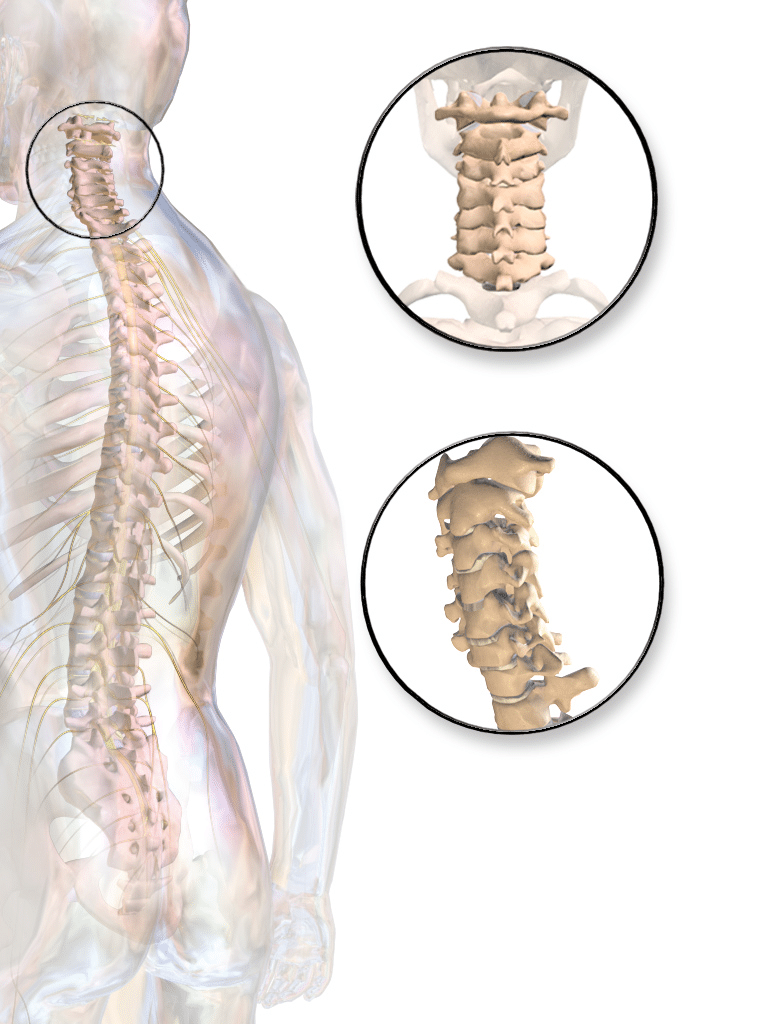
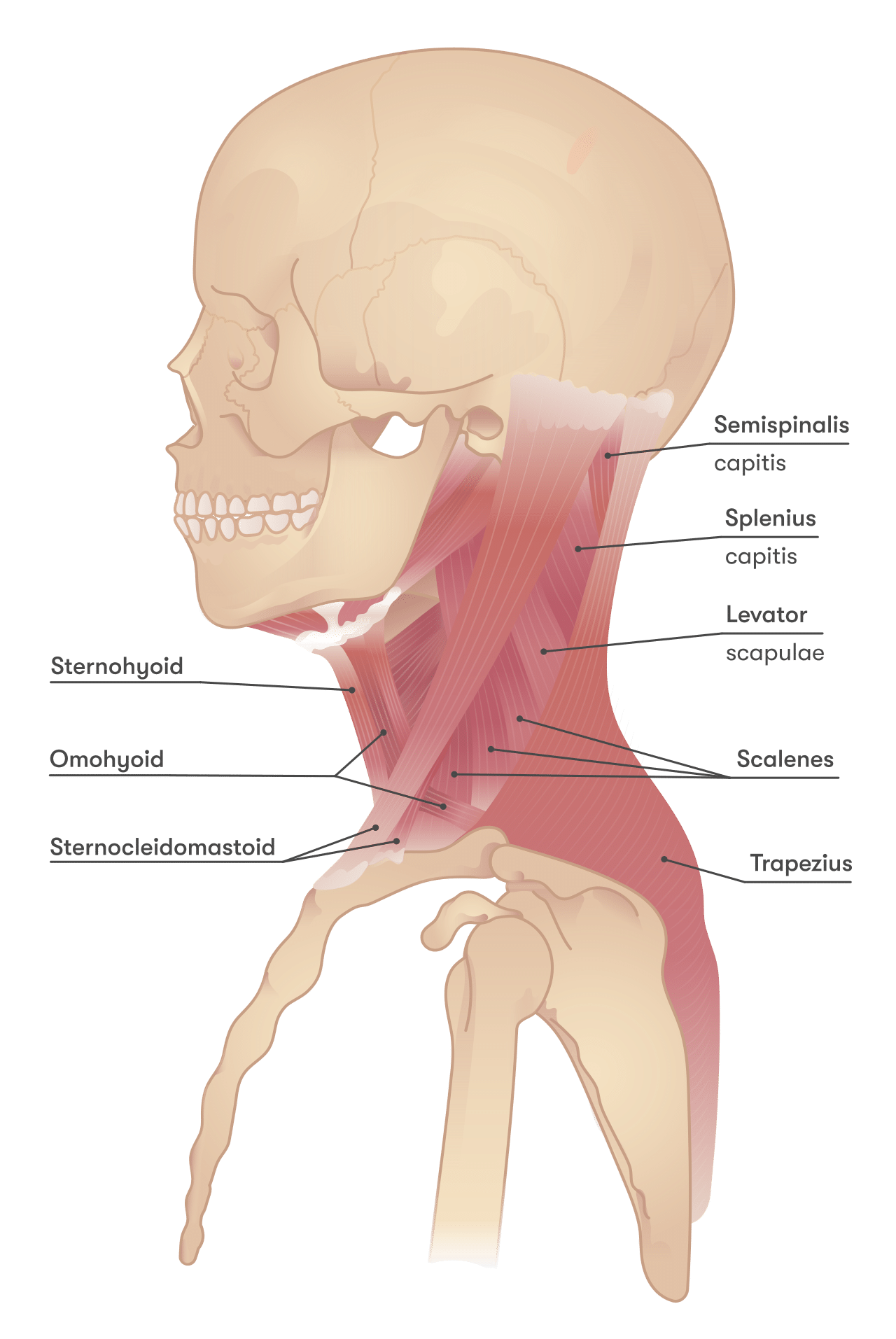
Your neck has seven vertebrae, the discs between them, small facet joints at the back and many muscles that hold up your head all day. Common sources of pain include:
- Muscle strain and posture: including “tech neck” from looking down at phones and screens
- Cervical spondylosis: age-related wear of the discs and joints
- Facet joint arthritis
- Degenerative or herniated discs
- Whiplash and other injuries
- A pinched nerve (cervical radiculopathy), which adds arm pain or numbness
Symptoms
Common symptoms
- Aching or stiffness in the neck, often worse at the end of the day or in the morning
- Pain that spreads to the shoulders or between the shoulder blades
- Reduced ability to turn or tilt your head
- Muscle tightness and spasms
Symptoms patients often ignore
- Headaches that start at the base of the skull (cervicogenic headaches)
- Pain that worsens after computer work or driving
- Grinding or popping sounds with neck movement
- Arm tingling or hand numbness, which can signal a pinched nerve
When to seek care right away: Neck pain with fever, unexplained weight loss, a history of cancer, a recent serious injury, or new trouble with balance, walking or hand coordination needs prompt evaluation. Call 911 for neck pain after major trauma or with sudden weakness.
Risk Factors
- Age and family history of arthritis
- Long hours at a desk, on a phone or driving
- Previous neck injury or whiplash
- Smoking
- Stress and poor sleep, which increase muscle tension
How We Find the Source of Your Pain
- History and exam: how your pain started, what makes it worse, your range of motion and a neurological check of the arms and hands
- X-rays: show alignment, disc height, arthritis and instability
- MRI: shows discs, nerves and the spinal cord
- Diagnostic injections: numbing specific facet joints or nerves can confirm the pain source
Treatment Options
Non-surgical treatment comes first
- Physical therapy: posture correction, neck and upper-back strengthening and stretching
- Ergonomic changes: raising screens to eye level, taking movement breaks and choosing a supportive pillow
- Medications: anti-inflammatories and muscle relaxants for flares
- Injections and procedures: facet joint injections, radiofrequency ablation and epidural injections
When surgery makes sense
When imaging and your exam show a structural cause that hasn’t improved with conservative care, surgery can often correct it. This is especially true when neck pain comes with arm pain, numbness, weakness or signs of spinal cord pressure. Options include:
- Cervical artificial disc replacement: one of Dr. Grunch’s specialties, replacing a damaged disc while preserving neck motion
- Anterior cervical discectomy and fusion (ACDF): when arthritis or instability make fusion the better choice
- Posterior cervical fusion: for instability or multiple levels
Why Choose Dr. Betsy Grunch for Chronic Neck Pain
- Duke-trained: neurosurgical residency and spine research fellowship at Duke University School of Medicine, where she received the Spine Young Investigator Award
- Experience you can count on: in practice since 2013, performing 400 to 600 surgeries a year and more than 5,000 procedures over her career
- Motion-preservation expertise: cervical disc replacement is one of her signature procedures, so fusion isn’t your only option
- The right treatment for you: board-certified (FAANS, FACS, FCNS), she starts with the least invasive option that will work, and recommends surgery when it can correct the problem
- Clear answers: known online as Ladyspinedoc, she makes sure you understand your imaging and every option in front of you
What to Expect If You Need Surgery
Before surgery
You’ll meet with Dr. Grunch or one of her physician assistants to review your imaging and decide on the right approach. Our team coordinates pre-operative testing and reviews your medications.
Procedure day
Cervical disc replacement and single-level ACDF typically take one to two hours. Most patients go home the same day or after one night.
Recovery timeline
- Days 1-7: walking right away; a sore throat or mild trouble swallowing is common after front-of-neck surgery
- Weeks 1-2: many desk workers return to work
- Weeks 2-6: avoid heavy lifting and overhead work
- Weeks 6-12: physical therapy and return to exercise as cleared
Frequently Asked Questions
Can neck problems cause headaches?
Yes. Cervicogenic headaches start in the neck and are felt at the base of the skull, behind the eyes or in the temples. Treating the neck often helps the headaches.
Is “tech neck” real?
Yes. Holding your head forward for hours increases the load on your neck. Raising your screen, taking breaks and strengthening the upper back can make a big difference.
What’s the best pillow for neck pain?
One that keeps your neck in line with your spine, not propped up or dropped down. Back and side sleeping are usually easier on the neck than stomach sleeping.
When should I see a spine surgeon?
See a spine surgeon if neck pain persists despite treatment, if it comes with arm pain, numbness or weakness, or if you notice hand clumsiness or balance problems.
Can surgery fix chronic neck pain?
Often, when a specific structural cause is found, such as a damaged disc pressing on a nerve or an unstable segment. Dr. Grunch will review your imaging and give you an honest recommendation.
Take the First Step Toward Relief
Whether you need a diagnosis, a treatment plan or a second opinion, Dr. Grunch and the Southern Neurosurgery team are here to help.
Call 470-293-9800 to schedule an appointment or contact us online.
Have a question first? Ask our virtual assistant anything, 24/7.
We see patients across metro Atlanta and North Georgia at our offices in Gainesville, Sandy Springs and South Atlanta (Riverdale). Find the office nearest you.
This page is for educational purposes only and is not a substitute for medical advice. If you have sudden weakness, numbness in the groin, or bladder or bowel changes, call 911 or go to the nearest emergency room.