
Whiplash: Recovering From Neck Pain After a Car Accident
Neck pain and stiffness after a car accident can show up hours or even days later. Most whiplash injuries heal within weeks to a few months, but when symptoms linger or spread into your arms, it’s important to make sure there isn’t a more serious injury.
What Is Whiplash?
Whiplash is a neck injury caused by a rapid back-and-forth motion of the head, like the cracking of a whip. It most often happens in rear-end car accidents, but it can also happen in sports, falls or other impacts. The sudden motion strains or sprains the muscles, ligaments and other soft tissues of the neck. Doctors sometimes call the range of symptoms “whiplash-associated disorders.”
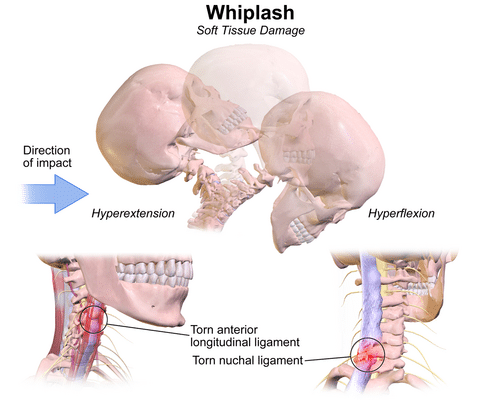
What’s Happening in Your Neck
During a whiplash injury, the neck moves beyond its normal range. This can stretch or tear muscles and ligaments, irritate the small facet joints, and sometimes injure discs or nerves. Most injuries involve soft tissues and heal on their own, but a more serious injury such as a fracture, ligament tear or disc herniation needs to be ruled out.
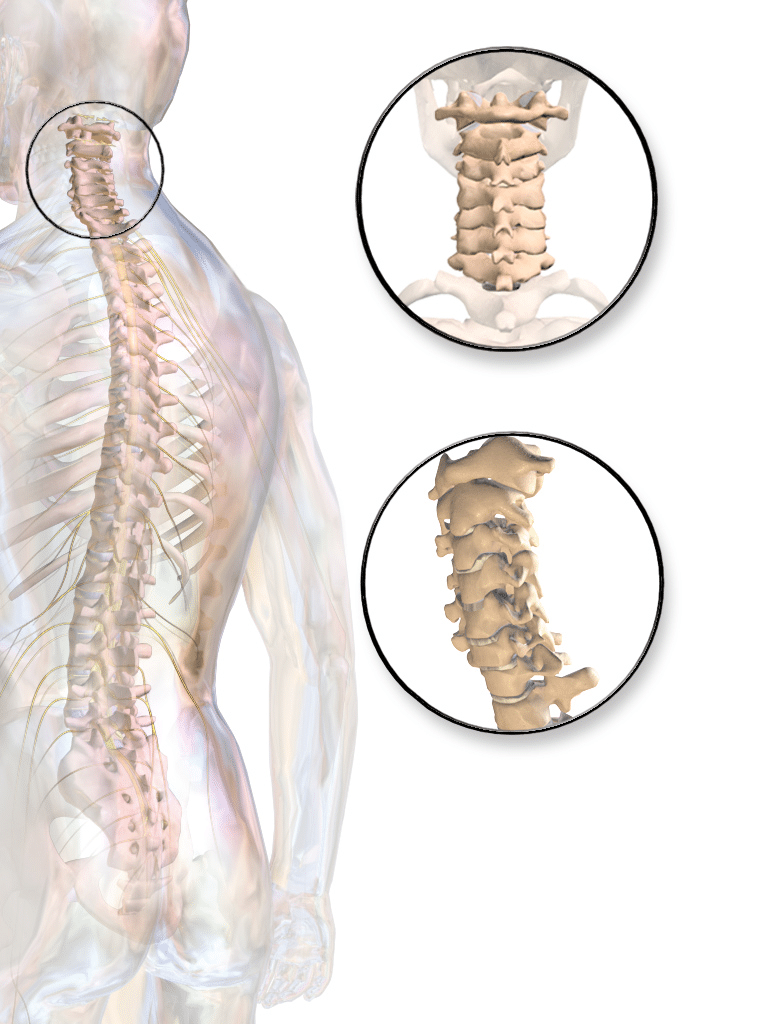
Symptoms
Common symptoms
- Neck pain and stiffness
- Reduced neck motion
- Headaches, often starting at the base of the skull
- Shoulder and upper back pain
- Fatigue and dizziness
Symptoms that need prompt evaluation
- Pain, numbness or tingling traveling into the arms or hands
- Arm or hand weakness
- Severe neck pain or pain that keeps getting worse
- Trouble concentrating, memory problems or ringing in the ears, which can occur with a concussion
When it’s an emergency: After an accident, severe neck pain, weakness or numbness in the arms or legs, or loss of bladder or bowel control needs emergency care. Call 911 and keep the neck still.
Causes and Risk Factors
- Rear-end car accidents
- Contact sports
- Falls
- Physical assault
- Prior neck injury or arthritis, which can increase the risk of lasting symptoms
How We Diagnose Whiplash
- History and exam: how the injury happened, neck motion, tenderness and a neurological exam
- X-rays: to check for fractures or instability, sometimes with flexion and extension views
- CT scan: after significant trauma, to look for fractures
- MRI: when there are arm symptoms, weakness or pain that doesn’t improve, to look for disc, ligament or nerve injury
Treatment Options
Non-surgical treatment comes first
- Staying active: gentle movement helps recovery more than rest or prolonged use of a collar
- Medications: anti-inflammatories, acetaminophen and short-term muscle relaxants
- Ice and heat
- Physical therapy: range-of-motion and strengthening exercises
- Injections: for persistent facet joint or nerve pain
When surgery makes sense
Surgery is rarely needed for whiplash itself. It may be recommended when the injury causes a herniated disc pressing on a nerve or the spinal cord, a fracture or instability. In those cases, surgery can often correct the problem with procedures such as cervical disc replacement or ACDF.
Why Choose Dr. Betsy Grunch for Whiplash and Neck Injuries
- Duke-trained: neurosurgical residency and spine research fellowship at Duke University School of Medicine, where she received the Spine Young Investigator Award
- Experience you can count on: in practice since 2013, performing 400 to 600 surgeries a year and more than 5,000 procedures over her career
- Thorough evaluation: she looks for disc, nerve and ligament injuries that can be missed after an accident
- The right treatment for you: board-certified (FAANS, FACS, FCNS), she starts with the least invasive option that will work, and recommends surgery when it can correct the problem
- Clear answers: known online as Ladyspinedoc, she makes sure you understand your imaging and every option in front of you
What to Expect
Recovery timeline
- Days 1-7: pain and stiffness are often worst; stay gently active
- Weeks 1-6: most people improve steadily with activity and therapy
- Months 2-3: most whiplash symptoms have resolved
- Beyond 3 months: lingering symptoms deserve a closer look, including imaging if not already done
If you need surgery
You’ll meet with Dr. Grunch or one of her physician assistants to review your imaging and decide on the right procedure. Most cervical disc procedures allow you to go home the same day or after one night.
Frequently Asked Questions
Why did my neck pain start a day after the accident?
It’s common for whiplash symptoms to develop hours to a day or two later as inflammation builds.
Should I wear a neck collar?
Generally no. Gentle movement leads to faster recovery than immobilizing the neck, unless a fracture or instability is found.
How long does whiplash last?
Most people recover within a few weeks to three months. Some have symptoms that last longer.
When should I get an MRI?
If you have arm pain, numbness or weakness, or neck pain that isn’t improving after several weeks.
Can whiplash cause a herniated disc?
Yes. A whiplash injury can injure a disc, which may cause arm pain or numbness if it presses on a nerve.
Take the First Step Toward Relief
Whether you need a diagnosis, a treatment plan or a second opinion, Dr. Grunch and the Southern Neurosurgery team are here to help.
Call 470-293-9800 to schedule an appointment or contact us online.
Have a question first? Ask our virtual assistant anything, 24/7.
We see patients across metro Atlanta and North Georgia at our offices in Gainesville, Sandy Springs and South Atlanta (Riverdale). Find the office nearest you.
This page is for educational purposes only and is not a substitute for medical advice. If you have sudden weakness, numbness in the groin, or bladder or bowel changes, call 911 or go to the nearest emergency room.