
Intracranial Hemorrhage: Emergency Care for Bleeding in the Brain
Sudden severe headache, weakness or numbness on one side, facial drooping, trouble speaking, vision loss, confusion or loss of consciousness can be signs of bleeding in the brain. Call 911 immediately. Every minute matters.
What Is an Intracranial Hemorrhage?
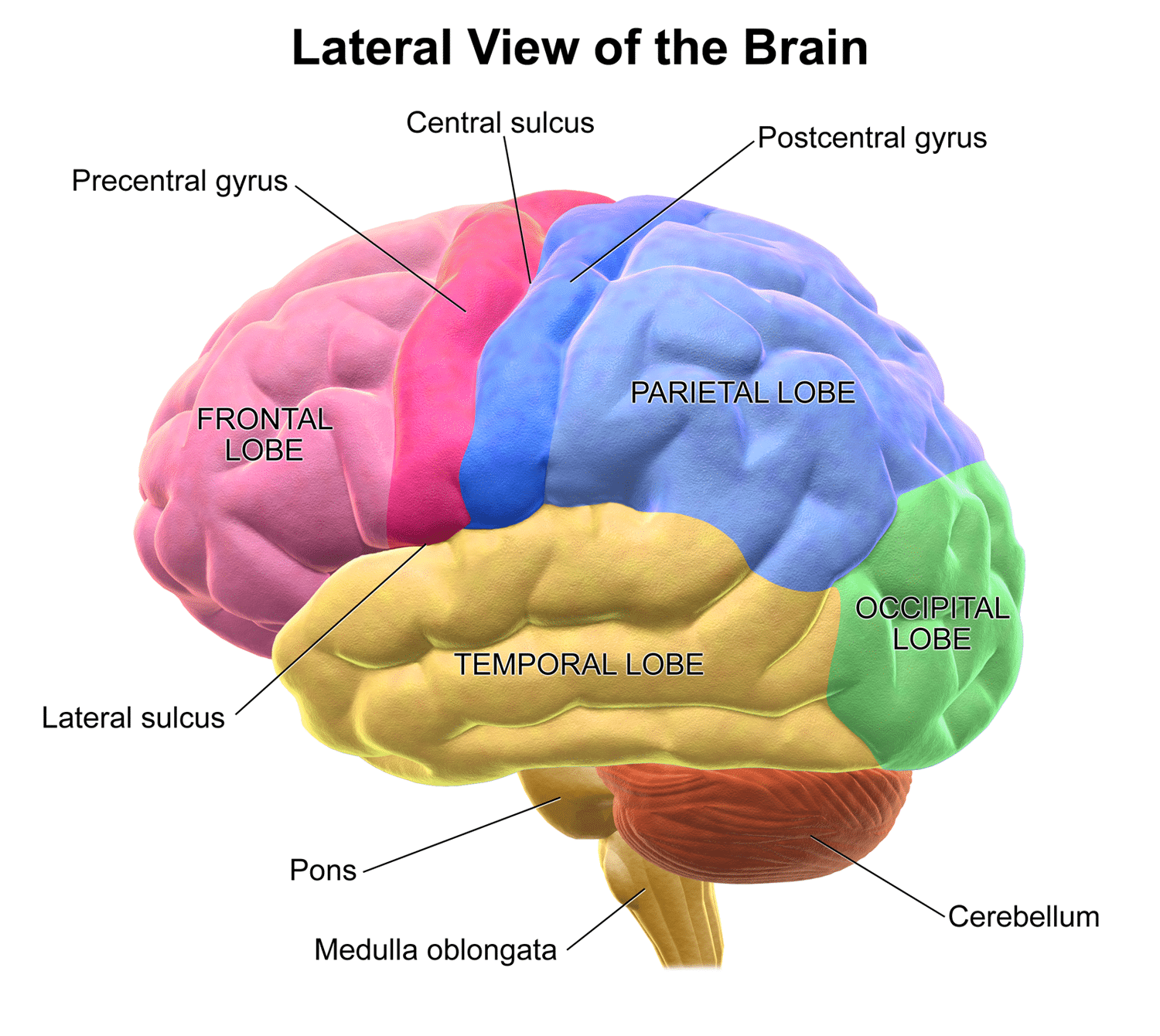
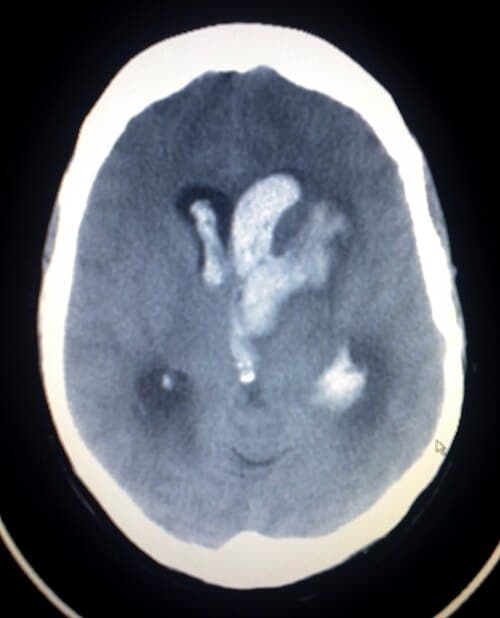
An intracranial hemorrhage is any bleeding inside the skull. It can happen within the brain tissue itself or in the spaces between the brain and the skull. Bleeding damages brain cells directly and raises pressure inside the skull, which is why it’s a medical emergency.
Types of Intracranial Hemorrhage
- Intracerebral hemorrhage: bleeding within the brain tissue, often from high blood pressure; a type of stroke
- Subdural hematoma: bleeding between the brain and its outer covering
- Epidural hematoma: bleeding between the skull and the brain’s covering
- Subarachnoid hemorrhage: bleeding into the fluid-filled space around the brain, from injury (traumatic subarachnoid hemorrhage) or a ruptured aneurysm
- Intraventricular hemorrhage: bleeding into the fluid spaces inside the brain
Symptoms
- Sudden, severe headache, sometimes called “the worst headache of my life”
- Weakness or numbness, especially on one side
- Facial drooping
- Trouble speaking or understanding
- Vision changes
- Nausea and vomiting
- Confusion, drowsiness or loss of consciousness
- Seizures
- Loss of balance or coordination
Remember BE FAST: Balance, Eyes, Face drooping, Arm weakness, Speech difficulty, Time to call 911.
Causes and Risk Factors
- High blood pressure, the most common cause of bleeding within the brain
- Head injury
- Blood thinners and bleeding disorders
- Abnormal blood vessels, such as aneurysms or arteriovenous malformations (AVMs)
- Amyloid angiopathy, a condition of weakened vessels in older adults
- Brain tumors that bleed
- Drug use, especially cocaine and amphetamines
- Heavy alcohol use
How It’s Diagnosed
- CT scan of the head: quickly shows bleeding and is the first test in the emergency room
- CT angiogram or MRI: to look for an abnormal blood vessel, tumor or other cause
- Cerebral angiogram: a detailed study of the brain’s blood vessels when an aneurysm or AVM is suspected
- Blood tests: to check clotting
Treatment
Medical treatment
- Lowering blood pressure carefully
- Reversing blood thinners
- Controlling brain swelling and pressure
- Preventing and treating seizures
- Care in a neurological intensive care unit
Surgery
Surgery may be recommended when bleeding is large, pressing on vital areas or causing worsening symptoms. In these cases, surgery can be lifesaving and can often correct the problem:
- Craniotomy: to remove the blood clot
- Minimally invasive clot removal: for selected patients, using small openings and image guidance
- External ventricular drain: a small tube to drain fluid and relieve pressure
- Decompressive craniectomy: to relieve severe swelling
- Treating the cause: such as repairing an aneurysm or AVM, often by a cerebrovascular team
Recovery
Recovery depends on the size and location of the bleeding and how quickly treatment started. Many patients need rehabilitation, including physical, occupational and speech therapy. Improvement can continue for months.
Frequently Asked Questions
Is a brain bleed the same as a stroke?
Bleeding within the brain is a type of stroke called a hemorrhagic stroke. Most strokes are caused by blocked blood vessels, but about 10% to 15% are from bleeding.
Can a brain bleed be prevented?
Controlling blood pressure, limiting alcohol, avoiding drugs and using blood thinners carefully all lower the risk.
Does every brain bleed need surgery?
No. Many are treated with medical care alone. Surgery is for larger bleeds, worsening symptoms or treating the cause.
Will I recover?
Outcomes vary widely. Some people recover well, while others have lasting effects. Rehabilitation helps maximize recovery.
Can it happen again?
It can, especially if the cause, such as high blood pressure, isn’t controlled.
Follow-Up Care After Hospital Treatment
For a new head injury or sudden symptoms, call 911 or go to the nearest emergency room.
Bleeding in the brain is usually diagnosed and treated in the emergency room and hospital. After you go home, follow-up with a neurosurgeon is an important part of recovery, including repeat imaging and guidance on returning to work, driving and normal activities. If Dr. Grunch cared for you in the hospital, or you’ve been referred for follow-up, call 470-293-9800 to schedule your visit or contact us online.
We see patients across metro Atlanta and North Georgia at our offices in Gainesville, Sandy Springs and South Atlanta (Riverdale). Find the office nearest you.
This page is for educational purposes only and is not a substitute for medical advice. If you have a sudden severe headache, a seizure, new weakness or numbness, confusion, or trouble speaking or seeing, call 911 or go to the nearest emergency room.