
Subdural Hematoma: Recognizing and Treating Bleeding on the Brain
If someone has a head injury followed by worsening headache, confusion, drowsiness, vomiting, weakness on one side, slurred speech or a seizure, call 911 or go to the nearest emergency room. A subdural hematoma can become life-threatening.
What Is a Subdural Hematoma?
A subdural hematoma is a collection of blood between the brain and its tough outer covering, the dura. It usually happens when a head injury tears the small veins that bridge the space between the brain and the dura. As blood collects, it presses on the brain.
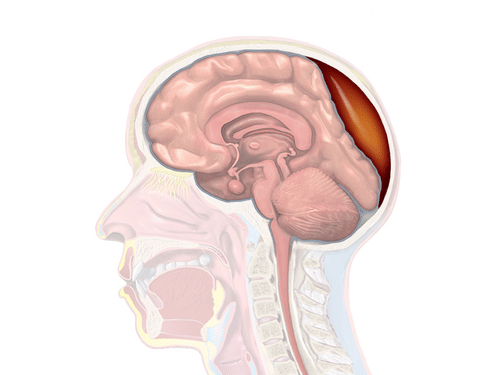
Types of Subdural Hematoma
- Acute: develops within hours to days of a significant head injury and is a medical emergency
- Subacute: develops over several days to a couple of weeks
- Chronic: develops slowly over weeks, often after a minor bump to the head that may have been forgotten; most common in older adults and people on blood thinners
Symptoms
Acute subdural hematoma
- Loss of consciousness or decreasing alertness after a head injury
- Severe or worsening headache
- Vomiting
- Weakness or numbness on one side
- Slurred speech or confusion
- Seizures
- One pupil larger than the other
Chronic subdural hematoma: symptoms often missed
- Headaches that build over days to weeks
- Confusion, memory problems or personality changes that may be mistaken for dementia
- Gradual weakness, clumsiness or trouble walking
- Increased sleepiness
- Falls, especially in older adults
Causes and Risk Factors
- Head injury from falls, car accidents, sports or assault
- Older age, as the brain shrinks and the bridging veins stretch
- Blood thinners and antiplatelet medications, including aspirin
- Heavy alcohol use
- Repeated falls
- Bleeding disorders
How It’s Diagnosed
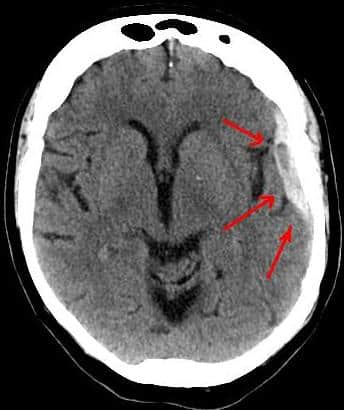
- CT scan of the head: the fastest and most common test in the emergency room
- MRI: sometimes used, especially for chronic hematomas
- Neurological exams: repeated checks of alertness, pupils, strength and speech
- Blood tests: to check clotting, especially for people on blood thinners
Treatment
Observation
Small hematomas that aren’t causing significant symptoms may be watched closely in the hospital with repeat CT scans. Blood thinners are often stopped or reversed.
Surgery
When a hematoma is large, pressing on the brain or causing symptoms, surgery to remove it can be lifesaving and can often correct the problem (subdural hematoma evacuation):
- Burr hole drainage: for many chronic subdural hematomas, small holes in the skull allow the liquid blood to be drained, often with a temporary drain
- Craniotomy: a larger opening to remove thick, clotted blood in acute hematomas
- Decompressive craniectomy: in severe cases, a piece of skull is left off temporarily to allow the brain to swell safely
- Middle meningeal artery embolization: a minimally invasive procedure that may reduce the chance of a chronic hematoma coming back
Recovery
Recovery depends on the size of the hematoma, how quickly it was treated, and the person’s overall health. Many people with chronic subdural hematomas improve quickly after drainage. Recovery after an acute subdural hematoma from a severe injury can take months and may include rehabilitation.
- In the hospital: close monitoring, often in the intensive care unit; repeat CT scans
- Weeks 1-6: rest, gradual activity and no driving until cleared; avoid blood thinners unless your doctor says otherwise
- Follow-up: a repeat CT scan, since chronic hematomas can come back
Frequently Asked Questions
Can a subdural hematoma happen after a minor fall?
Yes, especially in older adults and people on blood thinners. Symptoms can appear days or weeks later.
Will it go away on its own?
Small hematomas can be absorbed by the body over time. Larger ones or those causing symptoms usually need surgery.
Can a subdural hematoma come back?
Chronic subdural hematomas return in a portion of patients, which is why follow-up imaging is important.
When can I restart my blood thinner?
Only when your neurosurgeon and the doctor who prescribed it agree it’s safe, usually after imaging shows the bleeding is stable.
Will I recover fully?
Many patients, especially with chronic hematomas, recover well. Recovery from severe acute injuries varies and may take months.
Follow-Up Care After Hospital Treatment
For a new head injury or sudden symptoms, call 911 or go to the nearest emergency room.
A subdural hematoma is usually diagnosed and treated in the emergency room and hospital. After you go home, follow-up with a neurosurgeon is an important part of recovery, including repeat imaging and guidance on returning to work, driving and normal activities. If Dr. Grunch cared for you in the hospital, or you’ve been referred for follow-up, call 470-293-9800 to schedule your visit or contact us online.
We see patients across metro Atlanta and North Georgia at our offices in Gainesville, Sandy Springs and South Atlanta (Riverdale). Find the office nearest you.
This page is for educational purposes only and is not a substitute for medical advice. If you or someone else has a head injury with confusion, worsening headache, repeated vomiting, a seizure, unequal pupils, weakness or trouble waking up, call 911 or go to the nearest emergency room.