
Traumatic Subarachnoid Hemorrhage: Understanding Bleeding After a Head Injury
After a head injury, a worsening headache, confusion, repeated vomiting, drowsiness, a seizure or weakness needs emergency care. Call 911 or go to the nearest emergency room.
What Is a Traumatic Subarachnoid Hemorrhage?
A traumatic subarachnoid hemorrhage is bleeding into the subarachnoid space, the thin, fluid-filled layer between the brain and the tissue that covers it. It happens when a head injury tears small blood vessels on the surface of the brain. It’s one of the most common findings on a CT scan after a head injury.
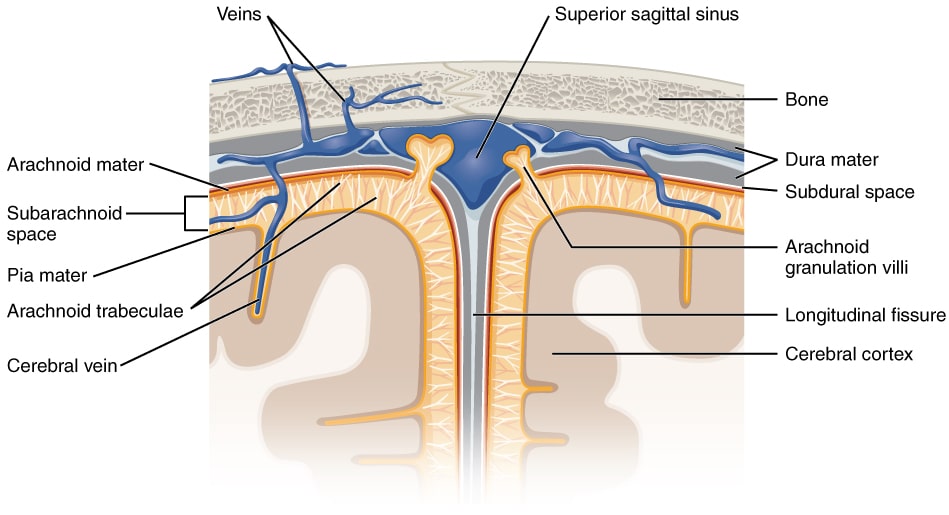
Traumatic subarachnoid hemorrhage is different from a subarachnoid hemorrhage caused by a ruptured brain aneurysm, which happens without injury and is treated differently. Many traumatic subarachnoid hemorrhages are small and heal on their own with monitoring, but they can occur along with other brain injuries.
Symptoms
Common symptoms
- Headache after a head injury
- Nausea and vomiting
- Stiff neck
- Sensitivity to light
- Confusion or drowsiness
- Dizziness
Symptoms that mean things are getting worse
- A headache that keeps getting worse
- Repeated vomiting
- Increasing confusion or sleepiness
- Weakness, numbness or trouble speaking
- Seizures
Causes and Risk Factors
- Falls, especially in older adults
- Car, motorcycle and bicycle accidents
- Sports injuries
- Assaults
- Blood thinners and antiplatelet medications, which can make bleeding worse
How It’s Diagnosed
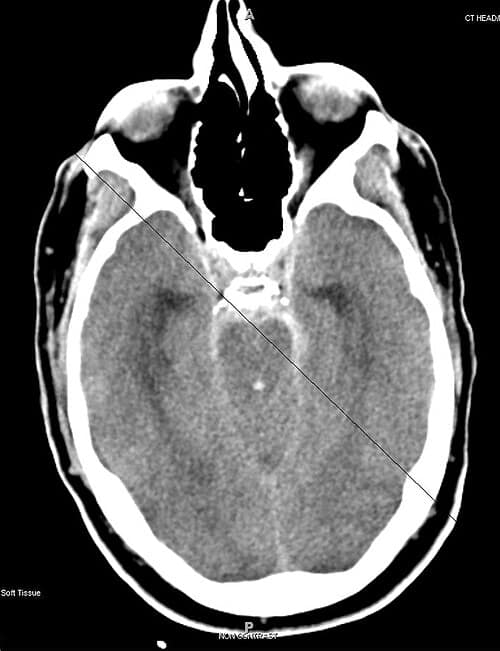
- CT scan of the head: shows blood in the spaces around the brain and any other injuries
- Repeat CT scan: often done to make sure the bleeding isn’t growing
- CT angiogram: sometimes used if it’s unclear whether an aneurysm caused the bleed
- Neurological exams and blood tests to check clotting
Treatment
Most traumatic subarachnoid hemorrhages are treated without surgery:
- Monitoring in the hospital with neurological checks
- Repeat imaging to make sure bleeding is stable
- Stopping or reversing blood thinners when appropriate
- Pain control and anti-nausea medication
- Seizure prevention in some cases
Surgery is needed only when there are other injuries, such as a large subdural or epidural hematoma, or when complications such as hydrocephalus develop. In those cases, surgery can often correct the problem.
Recovery
Many people with an isolated, small traumatic subarachnoid hemorrhage recover well. Headaches, fatigue, trouble concentrating and other concussion symptoms are common for a few weeks.
- In the hospital: usually a short stay for monitoring
- Weeks 1-4: rest and gradual return to activity; avoid alcohol and contact sports
- Follow-up: to review symptoms, imaging and when to restart blood thinners
Frequently Asked Questions
Is a traumatic subarachnoid hemorrhage the same as an aneurysm bleed?
No. A traumatic bleed is caused by injury and is usually less severe. Aneurysm bleeds happen without injury and need specialized treatment.
Will I need surgery?
Usually not. Most are monitored and heal on their own.
How long will my headache last?
Headaches often improve over days to weeks. Persistent or worsening headaches should be checked.
When can I restart my blood thinner?
Only when your care team says it’s safe, usually after imaging confirms the bleeding is stable.
Can I drive after a traumatic brain bleed?
Not until cleared by your doctor, especially if you had a seizure or have symptoms like dizziness or slowed thinking.
Follow-Up Care After Hospital Treatment
For a new head injury or sudden symptoms, call 911 or go to the nearest emergency room.
A traumatic subarachnoid hemorrhage is usually diagnosed and treated in the emergency room and hospital. After you go home, follow-up with a neurosurgeon is an important part of recovery, including repeat imaging and guidance on returning to work, driving and normal activities. If Dr. Grunch cared for you in the hospital, or you’ve been referred for follow-up, call 470-293-9800 to schedule your visit or contact us online.
We see patients across metro Atlanta and North Georgia at our offices in Gainesville, Sandy Springs and South Atlanta (Riverdale). Find the office nearest you.
This page is for educational purposes only and is not a substitute for medical advice. If you or someone else has a head injury with confusion, worsening headache, repeated vomiting, a seizure, unequal pupils, weakness or trouble waking up, call 911 or go to the nearest emergency room.