
Epidural Hematoma: A Head Injury Emergency That Needs Fast Treatment
If someone is knocked out by a head injury, wakes up and seems fine, then becomes drowsy, confused or develops a severe headache, vomiting or weakness, call 911 immediately. An epidural hematoma can become life-threatening within hours.
What Is an Epidural Hematoma?
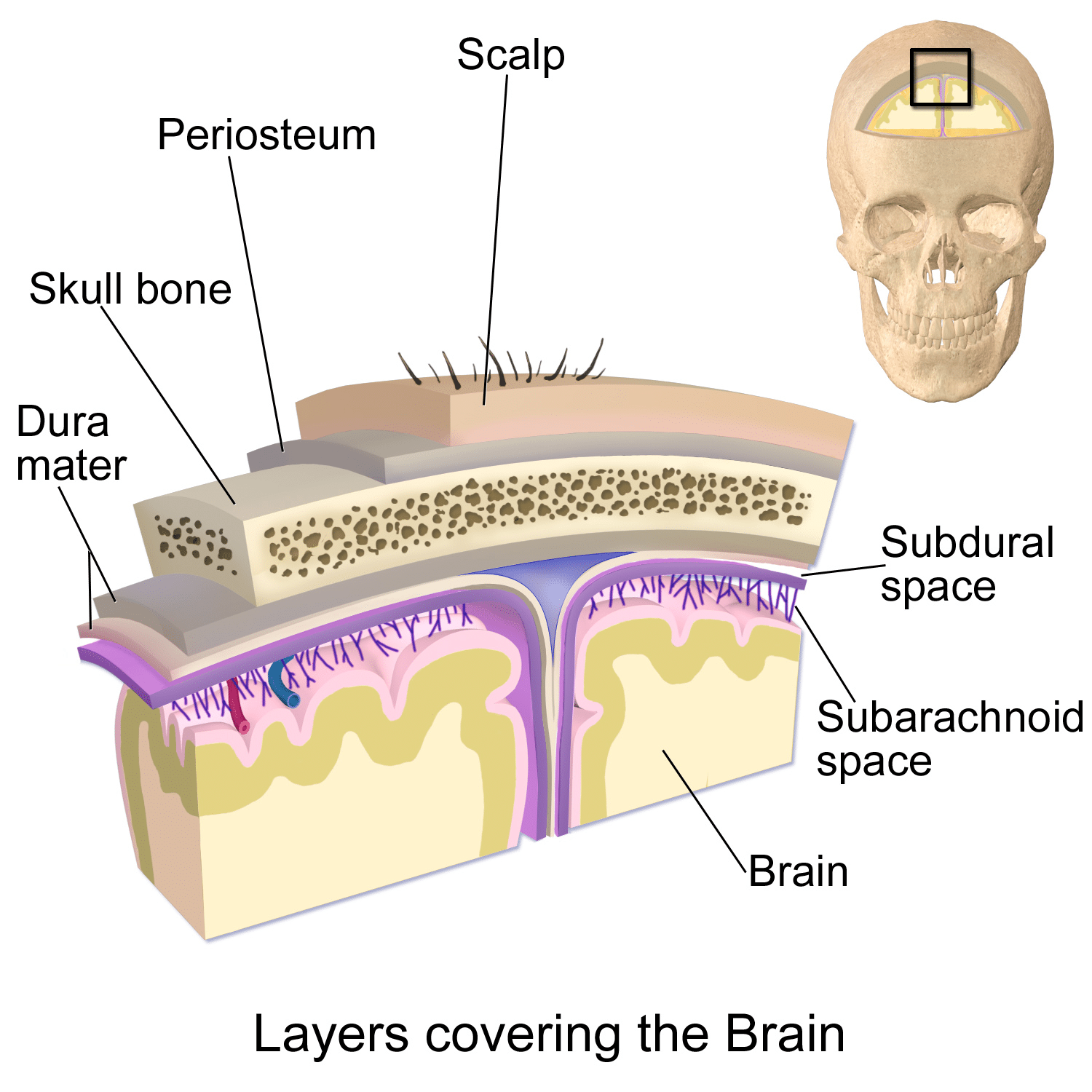
An epidural hematoma is a collection of blood between the skull and the dura, the tough outer covering of the brain. It usually happens when a blow to the head fractures the skull and tears an artery underneath, most often the middle meningeal artery near the temple. Because the bleeding comes from an artery, the blood collects quickly and presses on the brain.
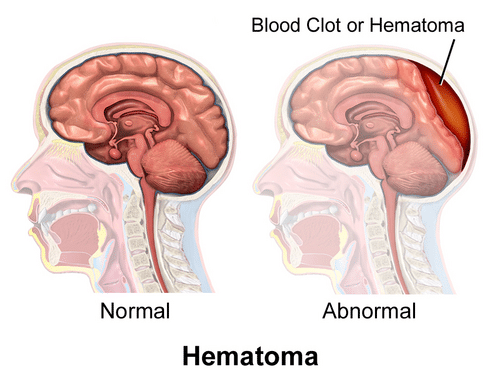
Epidural hematomas are most common in teenagers and young adults after car accidents, falls, sports injuries or assaults. With fast diagnosis and surgery, many patients make an excellent recovery.
Symptoms
Common symptoms
- Brief loss of consciousness after a head injury
- A “lucid interval”: the person wakes up and seems normal for minutes to hours, then gets worse
- Severe headache
- Vomiting
- Drowsiness or confusion
- Weakness on one side of the body
- One pupil larger than the other
- Seizures
Symptoms people often ignore
- Feeling “fine” after being knocked out; anyone who loses consciousness should be evaluated
- Increasing sleepiness after a head injury
- A swollen area or bruise at the temple
Causes and Risk Factors
- Car and motorcycle accidents
- Falls
- Sports injuries
- Assaults
- Skull fractures, especially at the side of the head
How It’s Diagnosed
- CT scan of the head: quickly shows the hematoma, which typically has a lens (lemon) shape, and any skull fracture
- Neurological exams: repeated checks of alertness, pupils and strength
Treatment
Emergency surgery
Most epidural hematomas that cause symptoms need emergency surgery. A craniotomy is performed to remove the blood clot and stop the bleeding (epidural hematoma evacuation). Fast surgery can be lifesaving and can often correct the problem.
Observation
Very small epidural hematomas in alert patients may be watched closely in the hospital with repeat CT scans.
Recovery
When treated quickly, many people with an epidural hematoma recover well, especially if the brain itself wasn’t badly injured.
- In the hospital: close monitoring, often in the intensive care unit
- Weeks 1-6: rest and gradual return to activity; no driving until cleared
- Return to sports: contact sports are typically avoided for a period and only resumed when cleared by your neurosurgeon
- Some patients need rehabilitation for headaches, memory or concentration problems
Frequently Asked Questions
What is the “lucid interval”?
Some people wake up after being knocked out and seem fine for a while before suddenly getting worse as blood builds up. That’s why anyone knocked out should be checked, even if they feel okay.
How is an epidural hematoma different from a subdural hematoma?
An epidural hematoma is between the skull and the dura and usually comes from an artery, so it builds quickly. A subdural hematoma is between the dura and the brain and usually comes from veins.
Is an epidural hematoma always an emergency?
Yes. Even if it’s small, it needs evaluation and close monitoring in the hospital.
Will I recover fully?
Many patients make a full recovery when treated quickly. The outcome depends on how much pressure built up and whether the brain was also injured.
Can I play sports again?
Many people return to sports after recovery, but timing must be decided with your neurosurgeon.
Follow-Up Care After Hospital Treatment
For a new head injury or sudden symptoms, call 911 or go to the nearest emergency room.
An epidural hematoma is usually diagnosed and treated in the emergency room and hospital. After you go home, follow-up with a neurosurgeon is an important part of recovery, including repeat imaging and guidance on returning to work, driving and normal activities. If Dr. Grunch cared for you in the hospital, or you’ve been referred for follow-up, call 470-293-9800 to schedule your visit or contact us online.
We see patients across metro Atlanta and North Georgia at our offices in Gainesville, Sandy Springs and South Atlanta (Riverdale). Find the office nearest you.
This page is for educational purposes only and is not a substitute for medical advice. If you or someone else has a head injury with confusion, worsening headache, repeated vomiting, a seizure, unequal pupils, weakness or trouble waking up, call 911 or go to the nearest emergency room.