
Fast Relief for Spinal Compression Fractures
A spinal compression fracture can cause sudden, severe back pain that makes it hard to stand, walk or even rest. When the pain isn’t settling, kyphoplasty or vertebroplasty can often correct the problem by stabilizing the broken bone with cement through a needle, frequently bringing relief within days.
30 to 60 minutes
per level treated
Sedation or general
anesthesia
Same day or overnight
hospital stay
Often 1 to 2 days
until pain relief begins
What Are Kyphoplasty and Vertebroplasty?
Kyphoplasty and vertebroplasty are minimally invasive procedures that treat compression fractures, where a vertebra in the spine cracks and collapses. They are done through small needles placed into the broken bone, without a large incision.
Kyphoplasty
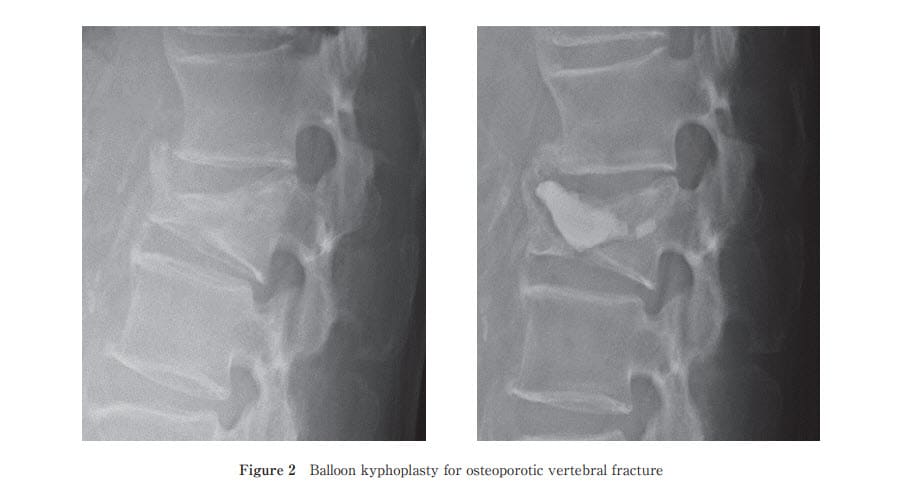
A small balloon is placed inside the fractured vertebra and gently inflated to create a space and, in some cases, restore some of the lost height. The balloon is removed and the space is filled with bone cement.
Vertebroplasty
Bone cement is injected directly into the fractured vertebra without using a balloon.
In both procedures, the cement hardens within minutes, acting like an internal cast that stabilizes the fracture and relieves pain. Dr. Grunch chooses between them based on the type and age of your fracture and how much the bone has collapsed.
Who Needs Kyphoplasty or Vertebroplasty?
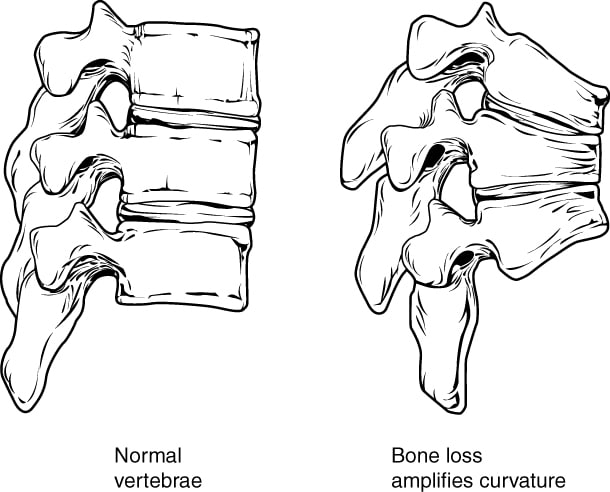
A painful compression fracture from osteoporosis that hasn’t improved with rest, bracing and pain medication
A fracture that is causing you to stay in bed, or pain medication that is causing side effects
A fracture that is continuing to collapse or causing the spine to round forward (kyphosis)
A vertebra weakened by cancer, such as metastatic spine disease or multiple myeloma
Selected fractures from an injury, when the back of the vertebra and the spinal canal are not involved
An MRI helps show whether a fracture is new and still healing, which is when these procedures work best. Not every fracture is a good fit; fractures that involve the back wall of the vertebra or press on the nerves may need a different treatment, such as a fusion.
Treatments to Try First
Rest and activity changes
a short period of rest, then a gradual return to walking
Pain medication
over-the-counter or prescription medications to control pain
Bracing
a back brace for comfort and support while the fracture heals
gentle strengthening once the pain allows
Bone health treatment
calcium, vitamin D and osteoporosis medication to strengthen bones and help prevent future fractures
Many compression fractures heal on their own over 6 to 12 weeks. When pain stays severe, keeps you from moving or the bone keeps collapsing, kyphoplasty or vertebroplasty can often correct the problem.
How Kyphoplasty and Vertebroplasty Are Done
Anesthesia: You’ll receive sedation or general anesthesia and lie face down.
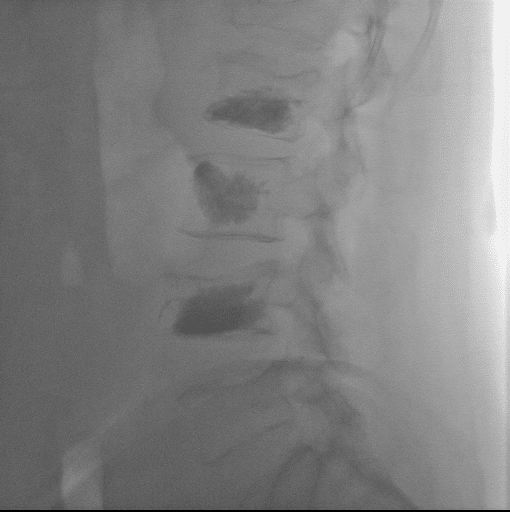
Guiding the needle: Using live X-ray, a hollow needle is passed through the skin and into the fractured vertebra through a tiny incision.
Creating a space (kyphoplasty): A balloon is inserted and gently inflated, then removed, leaving a cavity in the bone.
Placing the cement: Bone cement is carefully injected under X-ray guidance and hardens within minutes.
Finishing: The needle is removed and the small incision is covered with a bandage. More than one level can be treated at the same time.
The procedure usually takes about 30 to 60 minutes per level.
Watch an animation of how balloon kyphoplasty is done:
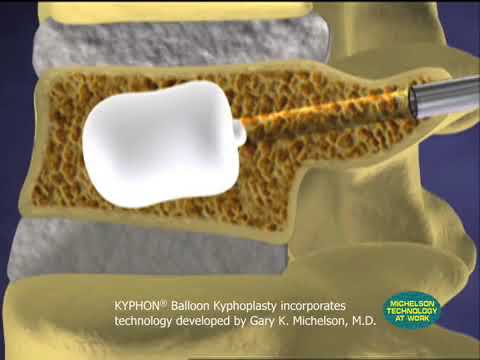
Video: Balloon Kyphoplasty Animation, courtesy of Orthopaedic & Spine Center of the Rockies (YouTube)
Learn more about spinal compression fractures:
Video: Spinal Compression Fracture, courtesy of Spine-health
Benefits and Risks
Benefits
- Fast pain relief, often within a day or two
- A quicker return to walking and daily activities
- Less need for pain medication
- Stabilizes the fracture and may restore some height with kyphoplasty, helping prevent further rounding of the spine
- Small incisions and a same-day or overnight stay
Risks
- Bone cement leaking outside the vertebra, which usually causes no problems but rarely can irritate a nerve or travel into a blood vessel
- Infection or bleeding, which are uncommon
- New fractures in nearby vertebrae over time, mostly because of the underlying osteoporosis
- Increased back pain or nerve irritation, which is rare
- Risks related to sedation or anesthesia
Why Choose Dr. Betsy Grunch for Your Kyphoplasty
Duke-trained
Dr. Grunch completed her neurosurgical residency and a spine research fellowship at Duke University School of Medicine, one of the top neurosurgery programs in the country, where she received the Spine Young Investigator Award.
A complete fracture plan
She looks beyond the single fracture to your bone health, so you get help with osteoporosis treatment and preventing the next fracture.
The full range of fracture care
As a spine surgeon, she can treat simple fractures with kyphoplasty and more complex or unstable fractures with stabilization surgery when needed.
Experience you can count on
She has been in practice since 2013 and performs 400 to 600 surgeries a year, more than 5,000 procedures over her career.
Second opinions and revisions
She regularly sees patients who had spine surgery elsewhere and want a second opinion or need a revision.
A teacher at heart
As “Ladyspinedoc,” she is known for explaining spine conditions clearly. You’ll leave your visit understanding your imaging and every option in front of you.
What to Expect
Before the procedure
You’ll meet with Dr. Grunch or one of her physician assistants to review your X-rays and MRI, examine you and decide together whether kyphoplasty or vertebroplasty is right for you. Our team will review your medications, including blood thinners you may need to pause, and walk you through the day of the procedure.
Procedure day
Most patients go home the same day, and some stay overnight. You’ll rest for a short time while the cement fully sets, then you’ll be up and walking. Many people notice less pain right away.
Recovery timeline
First few days: Some soreness at the needle site is normal. Walk several times a day and increase your activity as you feel able.
One to two weeks: Most people are back to light daily activities. Your follow-up visit is usually in this window.
Six weeks and beyond: Continue building strength, and keep treating your bone health to help prevent new fractures.
Caring for yourself at home
Activity
Walk often. Avoid heavy lifting, bending and twisting for the first few weeks, or as Dr. Grunch’s team instructs.
Your incision
Keep the bandage clean and dry for the first day or two. You can usually shower after that. Don’t soak in a bath, hot tub or pool until the site is healed.
Pain
Use ice and the pain medication recommended by our team. Soreness where the needle was placed usually fades within a few days.
Bone health
Follow up on osteoporosis testing and treatment, including calcium, vitamin D and any prescribed medication.
Blood thinners
Restart them only when Dr. Grunch’s team tells you it’s safe.
Call the office at 470-293-9800 if you have a fever over 101°F, redness, warmth or drainage at the needle site, new or worsening back pain, or new numbness, tingling or weakness in your legs. Call 911 for chest pain, shortness of breath, or new trouble controlling your bladder or bowels.
Frequently Asked Questions
What’s the difference between kyphoplasty and vertebroplasty?
Both stabilize a fracture with bone cement. Kyphoplasty first uses a balloon to create a space and may restore some height to the collapsed bone, while vertebroplasty injects cement directly. Dr. Grunch will recommend the best option for your fracture.
How quickly will my pain improve?
Many patients feel significant relief within 24 to 48 hours, and some notice it as soon as they wake up.
Am I awake for the procedure?
You’ll receive sedation or general anesthesia, so you’ll be comfortable and won’t feel the procedure.
Can the cement wear out?
No. The cement is permanent and stays in place inside the bone.
Will I get more fractures?
People with osteoporosis are at higher risk for future fractures. Treating your bone health is the most important way to lower that risk, and our team can help you get started.
Take the First Step Toward Relief
If back pain from a spinal fracture is keeping you from living your life, you have options. Whether you need a treatment plan, a second opinion or a clear explanation of your imaging, Dr. Grunch and the Southern Neurosurgery team are here to help.
Call 470-293-9800 to schedule an appointment or contact us online.
Have a question first? Ask our virtual assistant anything, 24/7.
We see patients across metro Atlanta and North Georgia at our offices in Gainesville, Sandy Springs and South Atlanta (Riverdale). Find the office nearest you.
Related pages: Compression fractures · Vertebral fractures · Kyphosis · Metastatic spine disease · Thoracic fusion
This page is for educational purposes only and is not medical advice. It does not replace individualized care from a licensed physician. Please talk with your own doctor about your symptoms. If you have bladder or bowel changes, groin numbness or rapidly worsening weakness, call 911 or go to the nearest emergency room.