
Vertebral Fractures: Healing a Broken Bone in Your Spine
A broken bone in the spine can come from a hard fall, a car accident, or, with weak bones, something as simple as a cough or lifting a grocery bag. Most heal well with the right care.
What Is a Vertebral Fracture?
A vertebral fracture is a break in one of the bones of the spine (vertebrae). Fractures range from small, stable cracks that heal on their own to serious injuries that can affect the spinal cord or nerves.
The type of fracture, where it is and whether it threatens the stability of the spine decide the treatment. Many fractures heal with pain control, a brace and time. Others are best treated with a minimally invasive procedure to stabilize the bone or with surgery to protect the spinal cord and nerves.
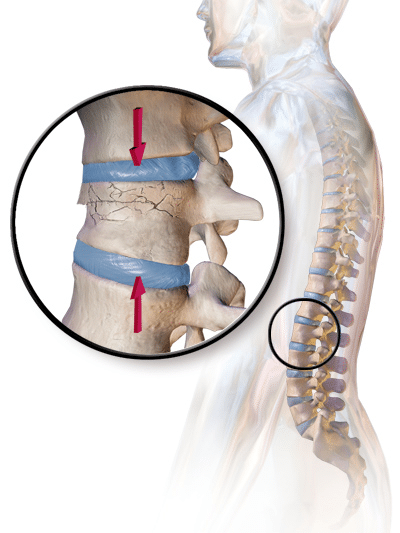
Types of Vertebral Fractures
- Compression fractures: the front of the vertebra collapses, most often from osteoporosis
- Burst fractures: the vertebra breaks in several directions from a high-energy injury, and fragments can push into the spinal canal
- Flexion-distraction (Chance) fractures: the spine is pulled apart, often from a lap seatbelt in a car crash
- Fracture-dislocations: severe injuries where the bones shift out of line, often with spinal cord injury
- Pathologic fractures: caused by bone weakened by cancer (metastatic spine disease) or infection
Symptoms
Common symptoms
- Sudden back or neck pain, often after a fall, injury or even a minor strain
- Pain that worsens with standing, walking or bending and eases when lying down
- Tenderness over the spine
Symptoms patients often ignore
- Losing height
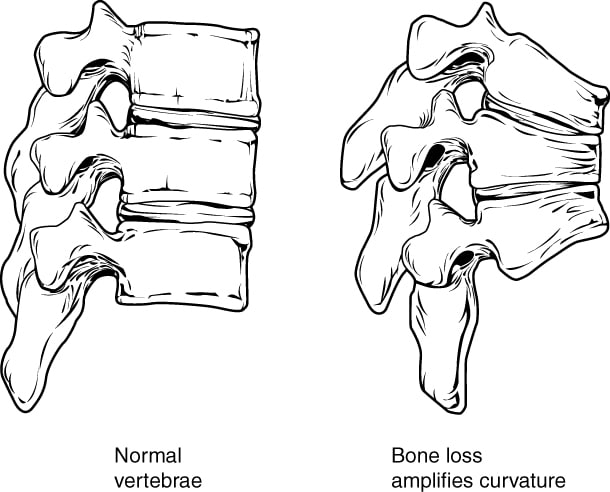
- A gradually rounded upper back
- Back pain that started after a cough, sneeze or lifting something light
When it’s an emergency: After a serious injury, don’t move the person if a spine injury is possible; call 911. Any numbness, weakness, or bladder or bowel changes after a back injury needs emergency care.
Causes and Risk Factors
- Osteoporosis: the most common cause, especially in women after menopause and adults over 65
- Trauma: car accidents, falls from height, sports injuries
- Cancer that has spread to the spine
- Long-term steroid use, smoking and low vitamin D
How We Diagnose Vertebral Fractures
- Exam: pain location and a full neurological check
- X-rays: show the fracture and the alignment of the spine, often standing
- CT scan: shows the fracture pattern in detail and whether bone has moved into the spinal canal
- MRI: shows whether the fracture is new, and checks ligaments, nerves and the spinal cord
- Bone density testing and lab work when osteoporosis or another cause is suspected
Treatment Options
Non-surgical treatment
- Pain control and short periods of rest, followed by early walking
- Bracing to support the spine while it heals
- Treating osteoporosis to prevent the next fracture
- Physical therapy once healing is underway
Minimally invasive procedures
For painful compression fractures that aren’t improving, kyphoplasty or vertebroplasty injects bone cement through a needle to stabilize the broken bone, often with quick pain relief.
When surgery makes sense
Surgery is recommended for unstable fractures, fractures with bone pressing on the spinal cord or nerves, or fractures that are collapsing and changing the alignment of the spine. Surgery can often correct these problems:
- Fracture stabilization: screws and rods hold the spine while the fracture heals, often through minimally invasive incisions
- Stabilization after trauma and decompression of the spinal cord or nerves when needed
Why Choose Dr. Betsy Grunch for Vertebral Fractures
- Duke-trained: neurosurgical residency and spine research fellowship at Duke University School of Medicine, where she received the Spine Young Investigator Award
- Experience you can count on: in practice since 2013, performing 400 to 600 surgeries a year and more than 5,000 procedures over her career
- Full range of fracture care: from bracing and kyphoplasty to minimally invasive stabilization
- The right treatment for you: board-certified (FAANS, FACS, FCNS), she starts with the least invasive option that will work, and recommends surgery when it can correct the problem
- Clear answers: known online as Ladyspinedoc, she makes sure you understand your imaging and every option in front of you
What to Expect
Before treatment
You’ll meet with Dr. Grunch or one of her physician assistants to review your imaging and decide whether bracing, a minimally invasive procedure or surgery is right for your fracture.
Procedure day
Kyphoplasty is usually outpatient. Fracture stabilization surgery typically involves a hospital stay of a few days.
Recovery timeline
- First days: walking as comfort allows
- Weeks 2-6: brace use if prescribed; gradual activity
- Weeks 6-12: most fractures are healing well; physical therapy
- Ongoing: bone health treatment to prevent future fractures
Frequently Asked Questions
Can a spine fracture heal on its own?
Many stable fractures heal with a brace, pain control and time, usually over 8 to 12 weeks.
How can I tell if my back pain is a fracture?
Sudden, sharp back pain after a fall or minor strain, especially if you have osteoporosis or are over 65, should be checked with an X-ray.
What is kyphoplasty?
A minimally invasive outpatient procedure that uses a small balloon and bone cement to stabilize a compression fracture, often relieving pain within days.
Will I be at risk for more fractures?
If the fracture was caused by osteoporosis, yes. Treating your bone health is an important part of care.
Will I need surgery?
Most fractures don’t. Surgery is for unstable fractures or those affecting the spinal cord or nerves, and in those cases it can often correct the problem.
Take the First Step Toward Relief
Whether you need a diagnosis, a treatment plan or a second opinion, Dr. Grunch and the Southern Neurosurgery team are here to help.
Call 470-293-9800 to schedule an appointment or contact us online.
Have a question first? Ask our virtual assistant anything, 24/7.
We see patients across metro Atlanta and North Georgia at our offices in Gainesville, Sandy Springs and South Atlanta (Riverdale). Find the office nearest you.
This page is for educational purposes only and is not a substitute for medical advice. If you have sudden weakness, numbness in the groin, or bladder or bowel changes, call 911 or go to the nearest emergency room.