
Hydrocephalus: Relieving Pressure From Fluid on the Brain
Hydrocephalus can affect babies, children and adults. Whatever the age, the problem is the same: fluid builds up in the brain. And in most cases, it can be treated effectively.
What Is Hydrocephalus?
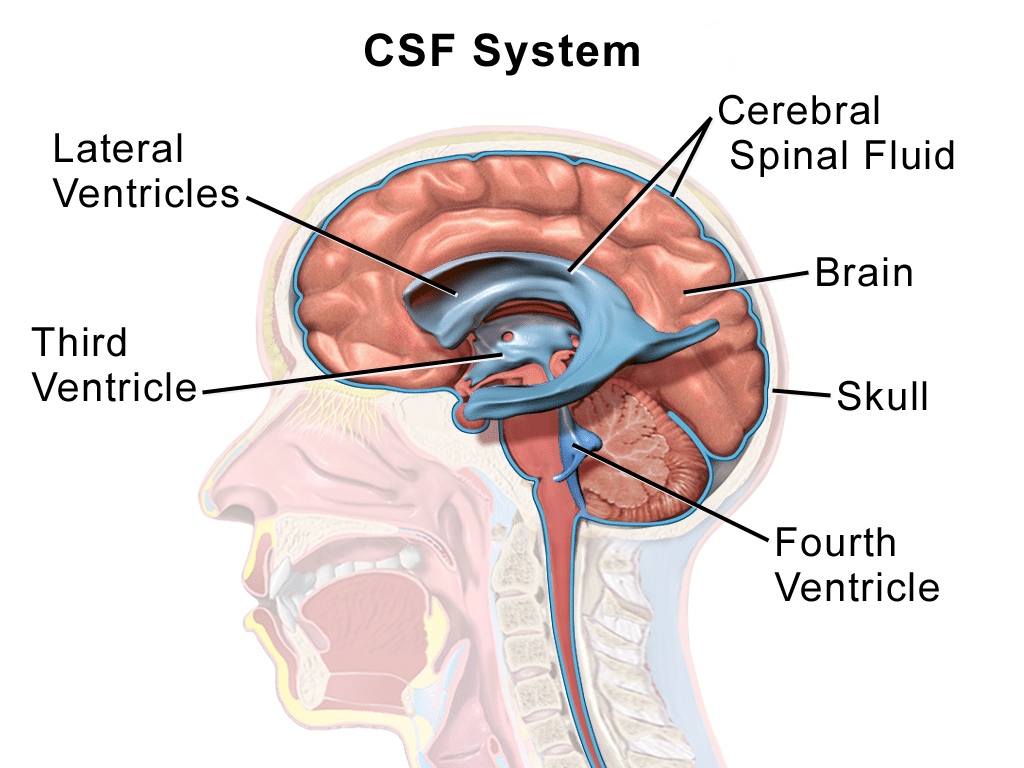
Hydrocephalus means “water on the brain.” Your brain makes cerebrospinal fluid (CSF) every day. It flows through a system of spaces inside the brain called ventricles, around the brain and spinal cord, and is then absorbed into the bloodstream. When this fluid is blocked or isn’t absorbed properly, it builds up, enlarges the ventricles and raises pressure on the brain.
Types of Hydrocephalus
- Obstructive (non-communicating): the flow of fluid is blocked inside the brain, for example by a tumor, cyst or narrowing
- Communicating: fluid flows freely but isn’t absorbed well, often after bleeding, infection or head injury
- Congenital: present at birth, sometimes linked to spina bifida or other conditions
- Normal pressure hydrocephalus (NPH): a form in older adults that causes walking, memory and bladder problems
Symptoms
In adults and older children
- Headaches, often worse in the morning or when lying down
- Nausea and vomiting
- Blurred or double vision
- Sleepiness or trouble staying awake
- Balance problems and trouble walking
- Memory, concentration or personality changes
In babies
- A head that is growing faster than normal
- A bulging soft spot (fontanelle)
- Irritability, poor feeding or vomiting
- Eyes that look downward (“sunsetting”)
Symptoms patients often ignore
- Slowly declining school or work performance
- Gradual changes in walking or bladder control
- In people with a shunt, headaches or tiredness that may signal a shunt problem
When it’s an emergency: Severe headache with vomiting, extreme sleepiness, confusion, a seizure, or signs of a shunt malfunction need emergency care. Call 911 or go to the nearest emergency room.
Causes and Risk Factors
- Bleeding in the brain, including in premature babies
- Brain tumors or cysts that block fluid flow
- Meningitis or other infections
- Head injury
- Birth defects such as spina bifida, aqueductal stenosis or Chiari malformation
How We Diagnose Hydrocephalus
- Neurological exam: including vision, walking and thinking
- CT or MRI of the brain: shows enlarged ventricles and often the cause of the blockage
- Ultrasound: for babies, through the soft spot
- Eye exam: can show swelling of the optic nerves from high pressure
Treatment Options
Hydrocephalus usually requires surgery to restore healthy fluid drainage. Medication alone doesn’t fix the problem. Surgery can often correct the problem and relieve symptoms.
Shunt placement
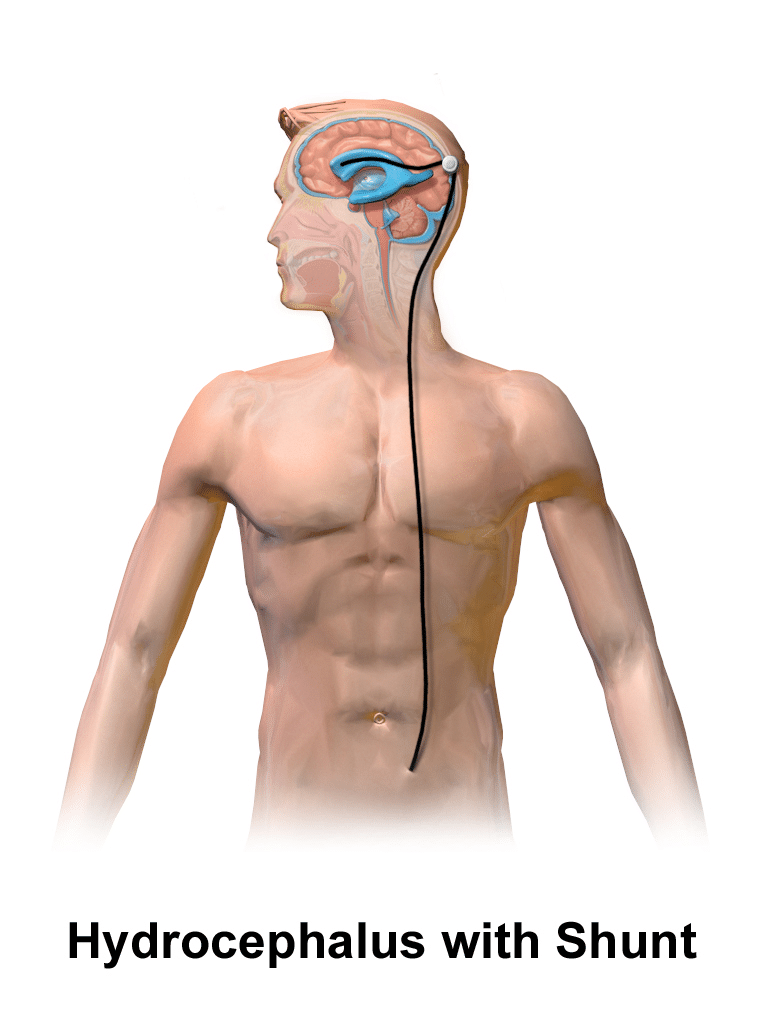
A shunt is a thin, flexible tube placed under the skin that drains extra fluid from the brain to another part of the body where it can be absorbed, most often the abdomen (ventriculoperitoneal or VP shunt) or sometimes the heart (ventriculoatrial or VA shunt). A valve controls how much fluid drains, and many valves can be adjusted from outside the body.
Endoscopic third ventriculostomy (ETV)
For some types of obstructive hydrocephalus, a small opening is made in the floor of the third ventricle with a tiny camera, letting fluid bypass the blockage without a shunt (ETV).
Treating the cause
When a tumor or cyst is blocking fluid flow, removing it may relieve the hydrocephalus.
Why Choose Dr. Betsy Grunch for Hydrocephalus
- Duke-trained: neurosurgical residency and spine research fellowship at Duke University School of Medicine, where she received the Spine Young Investigator Award
- Experience you can count on: in practice since 2013, performing 400 to 600 surgeries a year and more than 5,000 procedures over her career
- Comprehensive neurosurgical care: she treats conditions of the brain, spine and peripheral nerves, including shunt placement and revision
- The right treatment for you: board-certified (FAANS, FACS, FCNS), she starts with the least invasive option that will work, and recommends surgery when it can correct the problem
- Clear answers: known online as Ladyspinedoc, she makes sure you understand your imaging and every option in front of you
What to Expect If You Need Surgery
Before surgery
You’ll meet with Dr. Grunch or one of her physician assistants to review your imaging and decide between a shunt, ETV or another approach. Our team coordinates pre-operative testing.
Procedure day
Shunt surgery usually takes about an hour. Most patients stay in the hospital one to two days.
Recovery timeline
- Days 1-2: walking and monitoring; headaches often improve
- Weeks 1-2: incision healing; light activity
- Weeks 2-6: gradual return to normal activities
- Lifelong: regular follow-up; know the warning signs of a shunt problem
Frequently Asked Questions
Is hydrocephalus curable?
It is very treatable. Most people need a shunt for life, though some can be treated with ETV or by removing a blockage.
How long does a shunt last?
Shunts can last many years, but they can become blocked, infected or need adjustment. Many people need a shunt revision at some point.
What are the signs of a shunt problem?
Headache, vomiting, sleepiness, vision changes, or redness or swelling along the shunt can signal a problem. These need prompt evaluation.
Can I do normal activities with a shunt?
Yes. Most people return to work, school, exercise and travel. Some activities may need precautions, which your care team will review.
Will MRI scans affect my shunt?
Some adjustable valves need to be checked and reset after an MRI. Always tell your care team you have a shunt.
Take the First Step Toward Relief
Whether you need a diagnosis, a treatment plan or a second opinion, Dr. Grunch and the Southern Neurosurgery team are here to help.
Call 470-293-9800 to schedule an appointment or contact us online.
Have a question first? Ask our virtual assistant anything, 24/7.
We see patients across metro Atlanta and North Georgia at our offices in Gainesville, Sandy Springs and South Atlanta (Riverdale). Find the office nearest you.
This page is for educational purposes only and is not a substitute for medical advice. If you have a sudden severe headache, a seizure, new weakness or numbness, confusion, or trouble speaking or seeing, call 911 or go to the nearest emergency room.