
Normal Pressure Hydrocephalus: A Treatable Cause of Walking and Memory Problems
Trouble walking, memory changes and bladder accidents are often blamed on aging, Parkinson’s or dementia. Sometimes the real cause is normal pressure hydrocephalus, one of the few causes of these symptoms that can be improved with treatment.
What Is Normal Pressure Hydrocephalus?
Normal pressure hydrocephalus (NPH) is a condition in which cerebrospinal fluid (CSF) slowly builds up in the ventricles, the fluid-filled spaces inside the brain. The ventricles enlarge and press on nearby brain areas that control walking, thinking and bladder control. Despite the extra fluid, pressure measured with a spinal tap is usually in the normal range, which gives the condition its name.
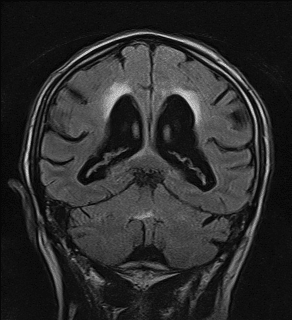
NPH mostly affects adults over 60. It’s estimated that many people with NPH go undiagnosed because their symptoms are mistaken for other conditions. Learn more about other forms of hydrocephalus.
Symptoms
NPH is known for three main symptoms, though not everyone has all three:
The classic symptoms
- Walking problems: often the first sign; short, shuffling steps, feet that feel “stuck to the floor,” a wide stance, poor balance and falls
- Thinking and memory changes: slowed thinking, forgetfulness, trouble paying attention, apathy
- Bladder problems: urgency, frequency and eventually loss of bladder control
Symptoms patients often ignore
- Trouble starting to walk or turning around
- Gradual slowing that family members notice before the patient does
- Falls blamed on “just getting older”
- A diagnosis of Parkinson’s or dementia that doesn’t fully fit or isn’t responding to treatment
Causes and Risk Factors
In most people, the cause of NPH is unknown (idiopathic NPH). It can also develop after bleeding in the brain, head injury, meningitis or brain surgery. Risk increases with age, and conditions that affect blood vessels, such as high blood pressure and diabetes, may play a role.
How We Diagnose NPH
- History and exam: careful assessment of walking, thinking and bladder symptoms
- CT or MRI of the brain: shows enlarged ventricles out of proportion to the rest of the brain
- Spinal tap (lumbar puncture) test: removing some CSF and measuring walking before and after; improvement suggests a shunt is likely to help
- Extended lumbar drain trial: in some cases, a small drain removes fluid over a few days in the hospital to test the response more thoroughly
Treatment Options
Shunt surgery
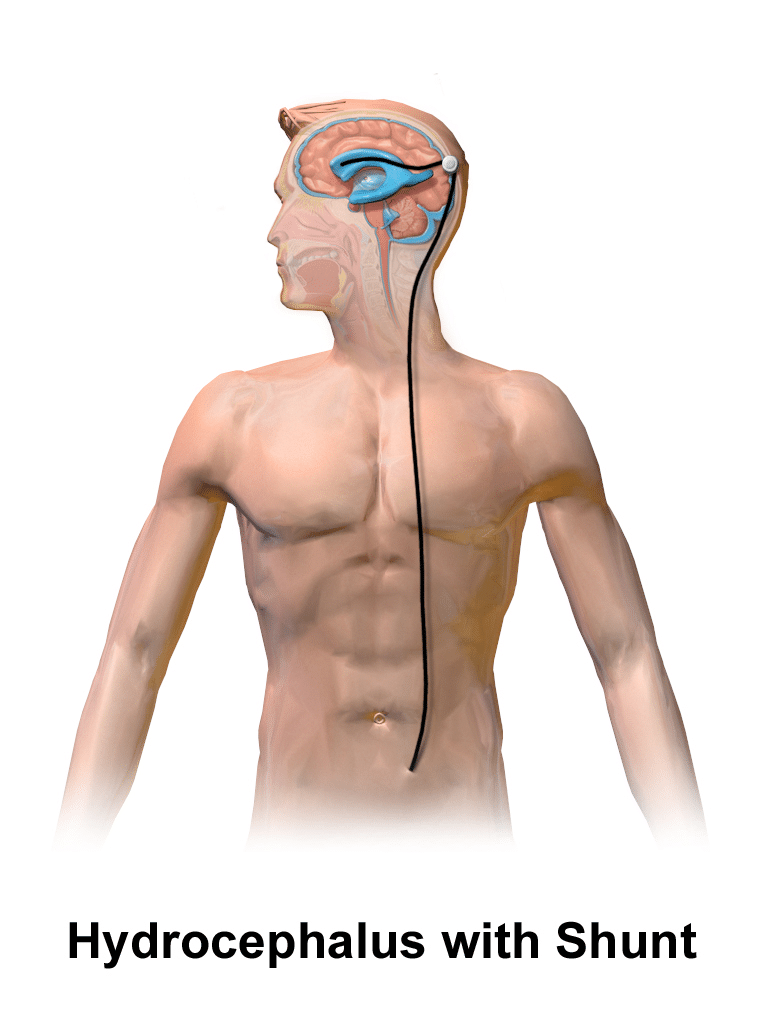
The main treatment for NPH is a shunt, a thin tube that drains extra fluid from the brain’s ventricles to the abdomen (VP shunt), where it’s absorbed. A programmable valve lets the drainage be fine-tuned from outside the body. For the right patient, surgery can often improve walking, and many patients also see improvement in thinking and bladder control.
Who benefits most
Patients whose symptoms improve after a spinal tap or drain trial, and whose walking problems began first, tend to respond best. Earlier treatment generally leads to better results.
Why Choose Dr. Betsy Grunch for Normal Pressure Hydrocephalus
- Duke-trained: neurosurgical residency and spine research fellowship at Duke University School of Medicine, where she received the Spine Young Investigator Award
- Experience you can count on: in practice since 2013, performing 400 to 600 surgeries a year and more than 5,000 procedures over her career
- Comprehensive neurosurgical care: she treats conditions of the brain, spine and peripheral nerves, including shunt placement and adjustment
- The right treatment for you: board-certified (FAANS, FACS, FCNS), she starts with the least invasive option that will work, and recommends surgery when it can correct the problem
- Clear answers: known online as Ladyspinedoc, she makes sure you understand your imaging and every option in front of you
What to Expect If You Need Surgery
Before surgery
You’ll meet with Dr. Grunch or one of her physician assistants to review your imaging and test results. Our team coordinates pre-operative testing and clearance from your other doctors.
Procedure day
Shunt surgery typically takes about an hour, and most patients stay in the hospital one to two days.
Recovery timeline
- Days 1-2: walking with help; monitoring
- Weeks 1-4: incision healing; many patients notice walking improvements
- Weeks 4-12: valve adjustments as needed; physical therapy for balance and strength
- Ongoing: regular follow-up to monitor the shunt and symptoms
Frequently Asked Questions
How is NPH different from Alzheimer’s or Parkinson’s?
NPH can look similar, but walking problems usually come first and are prominent, and imaging shows enlarged ventricles. Unlike many other causes, NPH can improve with a shunt.
Will a shunt cure my symptoms?
Many patients improve, especially in walking. Thinking and bladder symptoms may also improve. Results vary, which is why testing before surgery is important.
Am I too old for shunt surgery?
Age alone isn’t the deciding factor. Many patients in their 70s and 80s benefit. Your overall health is considered.
What is the spinal tap test like?
A thin needle is placed in the lower back to remove fluid. It usually takes less than an hour, and your walking is tested before and after.
What are the signs of a shunt problem?
Returning symptoms, headaches, sleepiness, or redness along the shunt should be checked promptly.
Take the First Step Toward Relief
If you or a loved one is struggling with walking, memory or bladder changes, it’s worth asking whether NPH could be the cause. Whether you need a diagnosis, a treatment plan or a second opinion, Dr. Grunch and the Southern Neurosurgery team are here to help.
Call 470-293-9800 to schedule an appointment or contact us online.
Have a question first? Ask our virtual assistant anything, 24/7.
We see patients across metro Atlanta and North Georgia at our offices in Gainesville, Sandy Springs and South Atlanta (Riverdale). Find the office nearest you.
This page is for educational purposes only and is not a substitute for medical advice. If you have a sudden severe headache, a seizure, new weakness or numbness, confusion, or trouble speaking or seeing, call 911 or go to the nearest emergency room.