
Concussion: What to Know After a Head Injury
After a head injury, call 911 or go to the nearest emergency room for loss of consciousness, a headache that gets worse, repeated vomiting, confusion, slurred speech, unusual drowsiness, a seizure, weakness or numbness, or one pupil larger than the other.
What Is a Concussion?
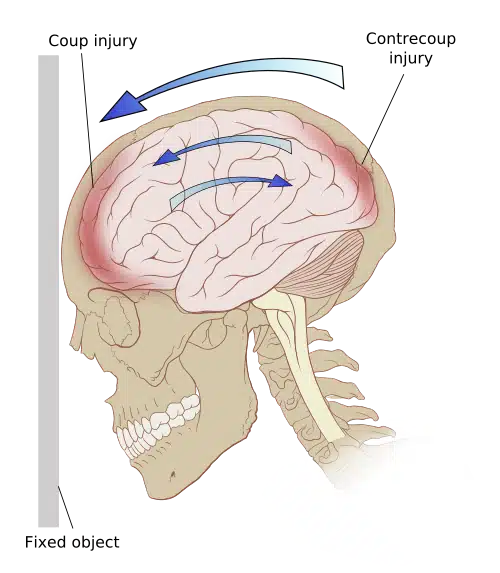
A concussion is a mild traumatic brain injury caused by a bump, blow or jolt to the head or body that makes the brain move rapidly inside the skull. This sudden movement can stretch and stress brain cells and change how they work for a period of time. You don’t have to be knocked out to have a concussion. Most people don’t lose consciousness.
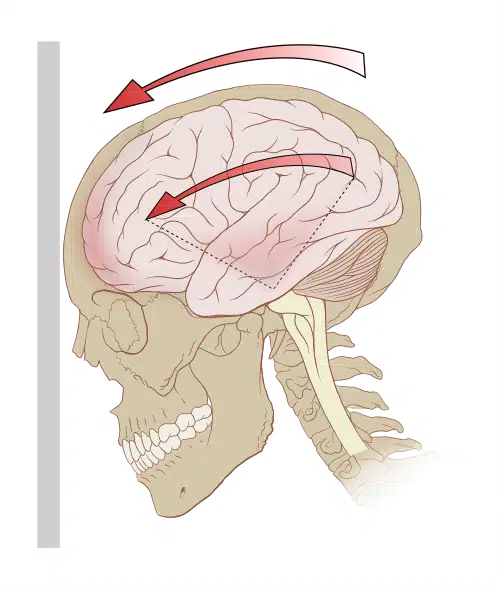
Most concussions improve within a few days to a few weeks with rest followed by a gradual return to activity. A small number of people have symptoms that last longer.
Symptoms
Physical
- Headache or pressure in the head
- Dizziness or balance problems
- Nausea or vomiting
- Sensitivity to light or noise
- Blurry or double vision
- Fatigue
Thinking and emotional
- Feeling foggy or slowed down
- Trouble concentrating or remembering
- Confusion about recent events
- Irritability, sadness or anxiety
- Sleeping more or less than usual
Symptoms people often ignore
- Symptoms that appear hours or a day after the injury
- Trouble reading, using screens or keeping up at school or work
- Mood changes noticed by family
Causes and Risk Factors
- Falls
- Sports, especially contact sports
- Car and bicycle accidents
- Assaults
- A previous concussion, which raises the risk of another
How It’s Diagnosed
- History and exam: how the injury happened and what symptoms followed
- Neurological exam: balance, coordination, memory and thinking
- CT scan: used in the emergency room when there are warning signs, to rule out bleeding or a skull fracture; a concussion itself usually doesn’t show on a scan
- MRI: sometimes used if symptoms persist
Treatment
- Relative rest for the first day or two: limit activities that make symptoms worse, but complete bed rest isn’t recommended
- Gradual return to activity: light activity, such as walking, can help recovery once symptoms allow
- Step-by-step return to school or work, with adjustments as needed
- Return to sports only when cleared: following a graduated return-to-play plan; never return the same day as the injury
- Symptom treatment: for headaches, sleep and dizziness; acetaminophen is often preferred early on
- Avoiding alcohol while recovering
For symptoms that last more than a few weeks, therapies such as vestibular (balance) therapy, vision therapy or cognitive rehabilitation can help.
Recovery
- Days 1-2: relative rest; limit screens and demanding tasks if they worsen symptoms
- Days 3-14: gradual return to light activity, school and work
- Weeks 2-4: most people feel back to normal
- Beyond 4 weeks: persistent symptoms deserve further evaluation and targeted therapy
Frequently Asked Questions
Do I need a CT scan for a concussion?
Not always. A CT scan is used when there are warning signs to rule out bleeding. Concussions usually don’t show up on CT scans.
Should someone with a concussion be kept awake?
Once a medical professional has evaluated the person, it’s generally fine to sleep. Seek emergency care if they’re hard to wake.
When can I return to sports?
Only after symptoms have resolved and a healthcare provider clears you, following a step-by-step return-to-play plan.
Can multiple concussions cause lasting problems?
Repeated concussions, especially before full recovery, can lead to longer recovery and lasting symptoms. Protecting your brain while it heals is important.
What if my symptoms don’t go away?
Symptoms lasting more than a few weeks should be evaluated. Targeted therapies can help.
Follow-Up Care
For a new head injury or worsening symptoms, call 911 or go to the nearest emergency room.
Most concussions are first evaluated in the emergency room or by a primary care provider. If imaging found bleeding or another injury, or Dr. Grunch cared for you in the hospital, follow-up with a neurosurgeon is important. To schedule your follow-up visit, call 470-293-9800 or contact us online.
We see patients across metro Atlanta and North Georgia at our offices in Gainesville, Sandy Springs and South Atlanta (Riverdale). Find the office nearest you.
This page is for educational purposes only and is not a substitute for medical advice. If you or someone else has a head injury with confusion, worsening headache, repeated vomiting, a seizure, unequal pupils, weakness or trouble waking up, call 911 or go to the nearest emergency room.