
Carpal Tunnel Syndrome: Relief for Numb, Tingling Hands
Waking up with numb, tingling fingers or dropping your coffee cup can wear you down. Carpal tunnel syndrome is one of the most common nerve problems, and it’s very treatable, from a simple wrist splint to a quick outpatient release.
What Is Carpal Tunnel Syndrome?
Carpal tunnel syndrome happens when the median nerve is squeezed as it passes through the carpal tunnel, a narrow passage in the wrist formed by the wrist bones and a tough band of tissue called the transverse carpal ligament. The median nerve gives feeling to the thumb, index, middle and part of the ring finger, and controls some of the muscles at the base of the thumb.
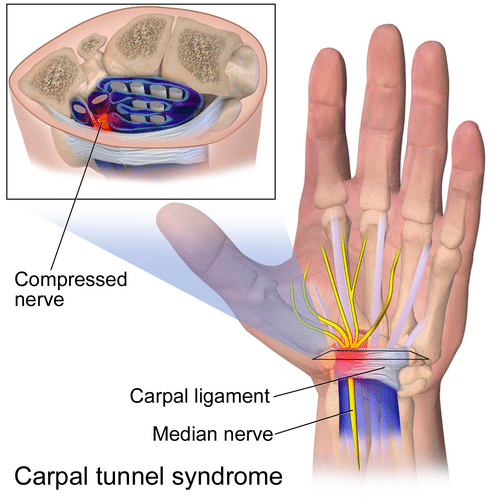
When swelling or crowding in the tunnel puts pressure on the nerve, it causes numbness, tingling and eventually weakness. Early on, symptoms come and go. Over time, constant pressure can permanently damage the nerve, so it’s worth treating before that happens.
Symptoms
Common symptoms
- Numbness or tingling in the thumb, index, middle and ring fingers
- Symptoms that wake you at night or are worse in the morning
- Shaking or flicking your hand to “wake it up”
- Symptoms while driving, holding a phone or reading
- Pain in the wrist or hand that may travel up the forearm
Symptoms patients often ignore
- Dropping things or trouble with buttons and jar lids
- A weaker pinch or grip
- Shrinking of the muscle at the base of the thumb
- Constant numbness instead of numbness that comes and goes, which is a sign of more advanced nerve compression
Causes and Risk Factors
- Repetitive hand and wrist use, especially with forceful gripping or vibrating tools
- Pregnancy and hormonal changes
- Diabetes, thyroid disease and rheumatoid arthritis
- Obesity
- Wrist fractures or arthritis
- Female sex and older age
How We Diagnose Carpal Tunnel Syndrome
- History and exam: including tests that tap or press over the nerve or bend the wrist to reproduce symptoms
- EMG/nerve conduction studies: confirm the diagnosis, show how severe the compression is, and check for other nerve problems
- Ultrasound: can show a swollen median nerve
- Neck evaluation: a pinched nerve in the neck (cervical radiculopathy) can cause similar symptoms, and some people have both

Treatment Options
Non-surgical treatment comes first
- Wrist splint at night: keeps the wrist straight to take pressure off the nerve
- Activity changes: breaks from repetitive tasks and ergonomic adjustments
- Steroid injection: can reduce swelling and relieve symptoms, sometimes for months
- Treating related conditions such as diabetes or thyroid disease
When surgery makes sense
Surgery is recommended when symptoms continue despite conservative treatment, when numbness is constant, or when there’s weakness or muscle shrinking. Carpal tunnel release cuts the transverse carpal ligament to make more room for the nerve. It’s a short outpatient procedure and is very effective, especially when done before permanent nerve damage. Surgery can often correct the problem, and many patients notice nighttime numbness improve almost right away.
Why Choose Dr. Betsy Grunch for Carpal Tunnel Syndrome
- Duke-trained: neurosurgical residency and spine research fellowship at Duke University School of Medicine, where she received the Spine Young Investigator Award
- Experience you can count on: in practice since 2013, performing 400 to 600 surgeries a year and more than 5,000 procedures over her career
- Neck or nerve? She can tell: as a neurosurgeon who treats the spine and peripheral nerves, she can sort out whether symptoms come from a pinched nerve in the neck, the arm or both
- The right treatment for you: board-certified (FAANS, FACS, FCNS), she starts with the least invasive option that will work, and recommends surgery when it can correct the problem
- Clear answers: known online as Ladyspinedoc, she makes sure you understand your imaging and every option in front of you
What to Expect If You Need Surgery
Before surgery
You’ll meet with Dr. Grunch or one of her physician assistants to review your symptoms and nerve testing and plan the procedure.
Procedure day
Carpal tunnel release usually takes less than 30 minutes, often with local anesthesia and light sedation. You go home the same day.
Recovery timeline
- Days 1-3: keep the hand elevated; move your fingers often
- Weeks 1-2: light daily activities; stitches removed
- Weeks 2-6: gradual return to gripping and lifting; desk workers often return sooner
- Months 1-3: grip strength returns; numbness keeps improving, though severe long-standing cases may improve more slowly
Frequently Asked Questions
Will carpal tunnel go away on its own?
Mild cases, such as during pregnancy, can improve. Most cases that last for months need treatment to keep from getting worse.
How do I know it’s carpal tunnel and not a pinched nerve in my neck?
Symptoms limited to the thumb side of the hand, worse at night, point to carpal tunnel. Neck pain or symptoms traveling from the neck point to the spine. Nerve testing helps tell them apart, and some people have both.
Is carpal tunnel surgery painful?
Most people have mild soreness for a few days, often managed with over-the-counter medication.
Can carpal tunnel come back after surgery?
It’s uncommon.
Should I wait until it gets worse to have surgery?
No. Waiting until there’s constant numbness or muscle loss can lead to permanent nerve damage.
Take the First Step Toward Relief
Whether you need a diagnosis, a treatment plan or a second opinion, Dr. Grunch and the Southern Neurosurgery team are here to help.
Call 470-293-9800 to schedule an appointment or contact us online.
Have a question first? Ask our virtual assistant anything, 24/7.
We see patients across metro Atlanta and North Georgia at our offices in Gainesville, Sandy Springs and South Atlanta (Riverdale). Find the office nearest you.
This page is for educational purposes only and is not a substitute for medical advice. If you have sudden, severe weakness or numbness, especially on one side of the body or with trouble speaking, call 911 or go to the nearest emergency room.