
Sealing a Spinal Fluid Leak
If you have clear fluid draining from your nose, ear or a surgical incision along with a fever, stiff neck, confusion or a severe headache, call 911 or go to the nearest emergency room. These can be signs of meningitis.
A spinal fluid leak can cause headaches that make it hard to sit or stand, and it can be frustrating to diagnose. Once the leak is found, CSF leak repair can often correct the problem by sealing the opening and restoring normal pressure around the brain and spine.
What Is CSF Leak Repair?
Cerebrospinal fluid (CSF) surrounds the brain and spinal cord and is held in place by a tough membrane called the dura. A CSF leak happens when there is a hole or tear in the dura or the bone around it, so fluid escapes. CSF leak repair seals that opening.
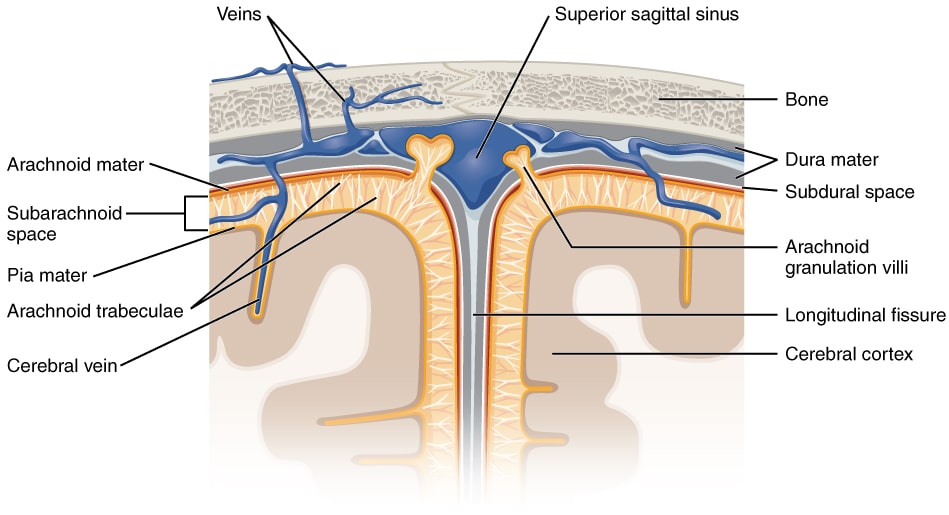
Leaks happen in two main places:
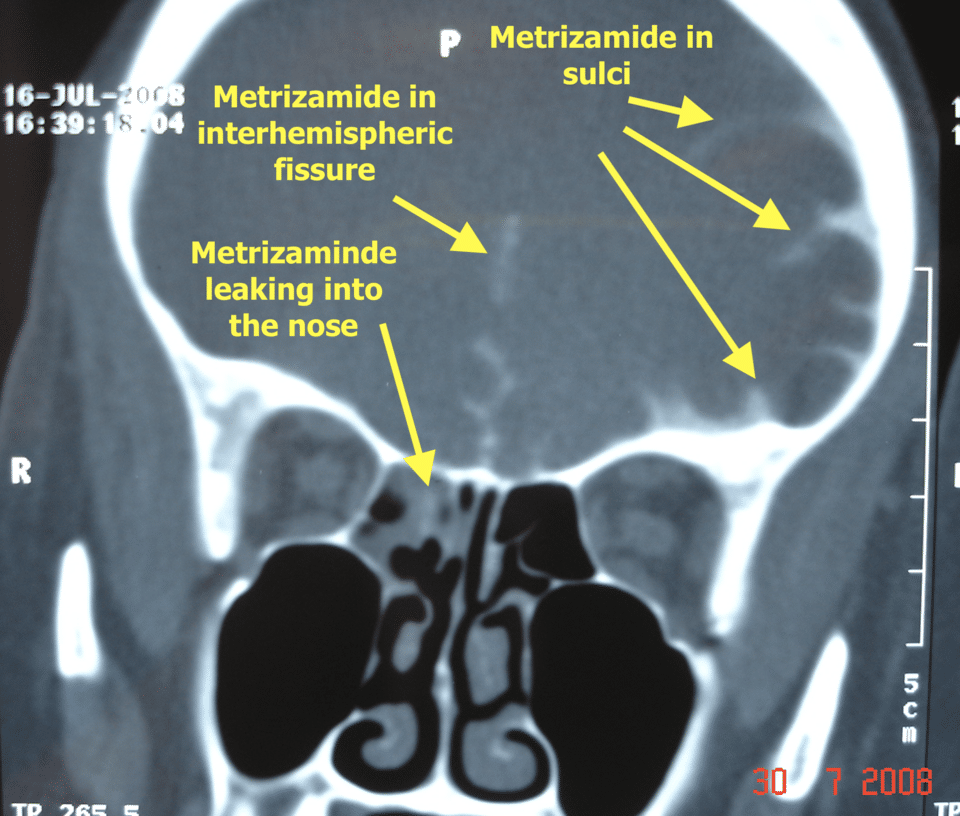
- Skull base (cranial) leaks: fluid drains from the nose or ear. These can follow a head injury, sinus or skull base surgery, or happen on their own.
- Spinal leaks: fluid escapes from around the spine, causing low pressure around the brain. These can follow a spinal tap, an epidural or spine surgery, or happen on their own from a bone spur or weak spot in the dura.
Who Needs CSF Leak Repair?
- Clear, watery drainage from one side of the nose, especially when leaning forward, that doesn’t stop
- A leak after spine or brain surgery, with fluid under or draining from the incision
- Headaches that are much worse when sitting or standing and better when lying down, that don’t improve with other treatment
- Any leak with meningitis, or a leak that has caused meningitis before
Treatment Without Surgery
- Rest and fluids: many small leaks, especially after a spinal tap or surgery, seal on their own with bed rest, fluids and caffeine
- Epidural blood patch: a small amount of your own blood is injected near the leak in the spine, where it clots and seals the hole. Patches can be repeated or targeted to the leak.
- Lumbar drain: a temporary drain in the lower back lowers fluid pressure so a skull base or incision leak can heal
- Avoiding strain: no nose blowing, heavy lifting or straining while the leak heals
When a leak doesn’t stop with these treatments, surgery can often correct the problem.
How CSF Leak Repair Is Done
- Finding the leak: Special CT or MRI scans, sometimes with dye injected into the spinal fluid (a myelogram or cisternogram), pinpoint the location.
- Anesthesia: You’ll be fully asleep.
- Reaching the leak: Skull base leaks are often repaired through the nose with an endoscope, usually together with an ear, nose and throat surgeon, or through a craniotomy. Spinal leaks are reached through a small incision in the back or neck.
- Sealing: The tear is closed with stitches, a graft of tissue or fat, and a sealant.
- Protecting the repair: A temporary lumbar drain is sometimes placed to lower pressure while the repair heals.
Watch Dr. Grunch explain a CSF leak from the nose:

Video: Case Study 100, CSF Rhinorrhea, presented by Dr. Grunch on her Ladyspinedoc channel (YouTube)
And a spinal fluid collection after surgery:

Video: Case Study 108, Postoperative CSF Leak, presented by Dr. Grunch on her Ladyspinedoc channel (YouTube)
Benefits and Risks
Benefits
- Stops the leak and the drainage
- Relieves headaches caused by low fluid pressure
- Lowers the risk of meningitis
Risks
- The leak coming back, which may need another repair
- Infection, including meningitis
- Headaches from high pressure as the body adjusts after a spinal leak is sealed
- Bleeding
- Risks related to anesthesia
What to Expect
Before surgery
Your surgeon will review your scans and any tests used to find the leak, and explain whether the repair will be done through the nose, the skull or the spine. You may be asked to lie flat or limit activity while you wait.
Procedure day
Most patients stay in the hospital for one to three days, sometimes longer if a lumbar drain is used. You may be asked to lie flat for a period after surgery.
Recovery timeline
- First days: Rest, sometimes lying flat, and slowly increasing activity.
- Two weeks: Stitches or staples are removed.
- Four to six weeks: No heavy lifting, straining or nose blowing while the repair heals.
- Beyond: Most people return to normal activities over one to two months.
Caring for yourself at home
- Protect the repair: Avoid heavy lifting, bending over, straining and nose blowing for about four to six weeks. Sneeze with your mouth open, and use a stool softener so you don’t strain.
- Your incision: Keep it clean and dry. You can usually shower after two to three days. Don’t soak in a bath or pool until it has healed.
- After a nasal repair: Use saline spray only as directed, and don’t use a straw or blow your nose until you are cleared.
- Medications: Take pain medication with food and avoid alcohol while taking it.
Call your surgeon if you have clear fluid draining from your nose, ear or incision, a headache that gets worse when you sit or stand, or a fever over 101°F. Call 911 for a severe headache with a stiff neck, fever, confusion or a seizure.
Frequently Asked Questions
How do I know if fluid from my nose is spinal fluid?
Spinal fluid is usually clear and watery, often drips from one side and gets worse when leaning forward. A lab test of the fluid can confirm it.
Can a CSF leak heal on its own?
Yes. Many small leaks, especially after a spinal tap or surgery, heal with rest or a blood patch. Leaks that don’t stop may need surgery.
Why are my headaches worse when I stand up?
When fluid leaks out, pressure around the brain drops, and the brain sags slightly when you’re upright. Lying down relieves this.
Is a CSF leak dangerous?
A leak can allow bacteria to reach the brain and cause meningitis, which is why leaks from the nose or ear are usually repaired.
Can a leak come back after repair?
It can, though most repairs are successful. Follow your activity restrictions carefully while the repair heals.
Concerned About a Spinal Fluid Leak After Surgery?
If you’ve had brain or spine surgery and notice clear fluid draining from your incision, nose or ear, swelling under your incision, or a headache that gets worse when you sit up, call the surgeon who performed your operation right away. If you develop a leak without a recent surgery, talk with your primary care doctor about an evaluation. If you can’t reach your surgeon, or you have a fever, stiff neck, confusion or a seizure, go to the nearest emergency room or call 911.
Related pages: CSF leaks · Intracranial hypotension · Skull fracture repair · Meningitis (surgical complications)
This page is for educational purposes only and is not medical advice. It does not replace individualized care from a licensed physician. If you have a sudden severe headache, a seizure, new weakness or numbness, confusion, or trouble speaking or seeing, call 911 or go to the nearest emergency room.