
Intracranial Hypotension: When Low Spinal Fluid Pressure Causes Headaches
If your headache disappears when you lie down and returns within minutes of standing, low spinal fluid pressure may be the cause. Intracranial hypotension is often overlooked, but it’s treatable once the source is found.
What Is Intracranial Hypotension?
Intracranial hypotension means the pressure or volume of cerebrospinal fluid (CSF) around the brain is too low. It is almost always caused by a CSF leak somewhere along the spine or skull base. When fluid is lost, the brain loses some of its cushioning and can sag downward when you’re upright, stretching pain-sensitive structures and causing headaches.
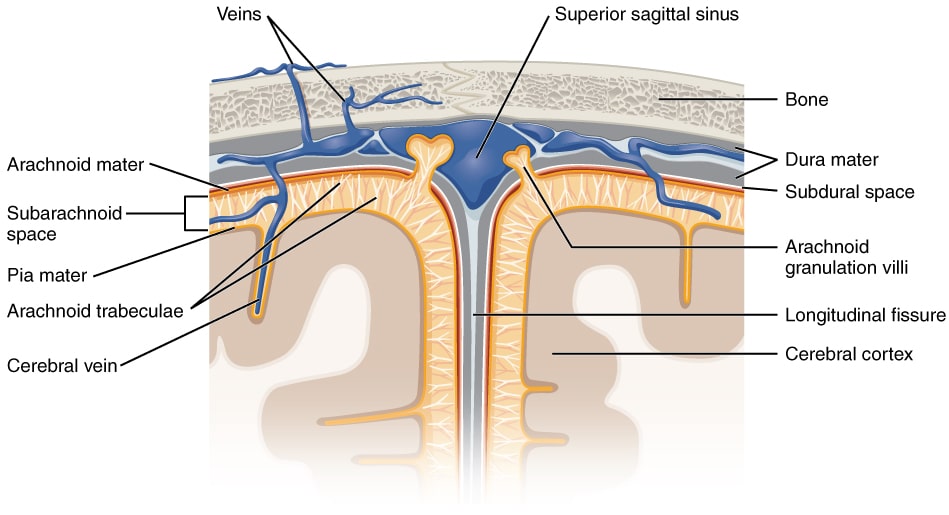
When there’s no obvious cause, such as a recent spinal tap or surgery, it’s called spontaneous intracranial hypotension (SIH). SIH is more common in women and in middle age, and it’s often misdiagnosed as migraine.
Symptoms
Common symptoms
- Headache that worsens within minutes to hours of sitting or standing and eases when lying flat
- Neck pain or stiffness
- Nausea
- Muffled hearing, ringing in the ears or dizziness
- Sensitivity to light
Symptoms patients often ignore
- Headaches that build through the day and improve overnight
- Brain fog or trouble concentrating
- Headaches that began after a sneeze, cough, fall or minor strain
- A history of being treated for migraines that never fully responded
When it’s an emergency: Confusion, extreme sleepiness, a severe sudden headache or new weakness can signal a complication such as bleeding on the brain. Call 911 or go to the nearest emergency room.
Causes and Risk Factors
- Spinal CSF leaks from a tear in the dura, a bone spur or calcified disc, or a weak spot
- CSF-venous fistulas, where spinal fluid drains into a vein
- Spinal taps, epidurals or spine surgery
- Over-draining shunts
- Connective tissue disorders such as Ehlers-Danlos or Marfan syndrome
How We Diagnose Intracranial Hypotension
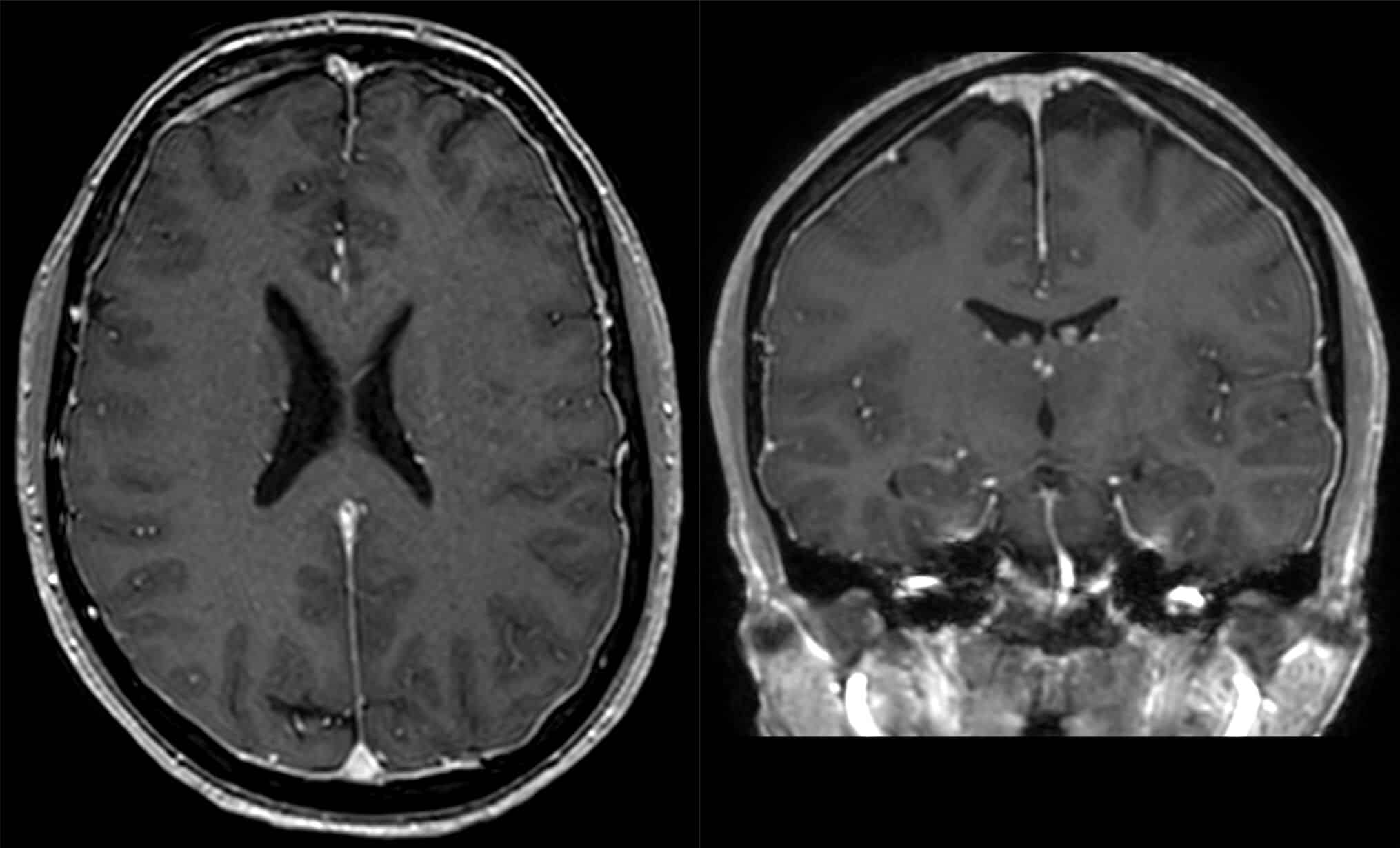
- MRI of the brain with contrast: may show brain sagging, thickened and bright brain lining, enlarged veins, or fluid collections over the brain
- MRI of the whole spine: looks for fluid outside the dura
- CT myelogram or digital subtraction myelography: pinpoints the leak or fistula
- Lumbar puncture: may show low opening pressure, though pressure can be normal
Treatment Options
Non-surgical treatment comes first
- Rest, lying flat, fluids and caffeine for mild cases
- Epidural blood patch: your own blood is injected into the epidural space to seal the leak; patches may be repeated or targeted to the leak site
- Targeted fibrin glue patch
When surgery makes sense
Surgery is recommended when blood patches don’t work and the leak or fistula has been located. CSF leak repair seals the hole in the dura or closes the fistula, which can often correct the problem and resolve symptoms. CSF-venous fistulas may also be treated by an interventional specialist with a minimally invasive embolization procedure.
What to Expect If You Need Surgery
Procedure day
Repair typically takes one to three hours. Most patients stay in the hospital one to three days.
Recovery timeline
- Days 1-3: rest; headaches often begin to improve
- Weeks 1-6: avoid heavy lifting, bending and straining
- Weeks 6-12: gradual return to full activity
A temporary “rebound” headache from high pressure can occur after the leak is sealed and usually settles with time or medication.
Frequently Asked Questions
Is intracranial hypotension the same as a CSF leak?
They’re closely related. A CSF leak is the cause, and intracranial hypotension is the low-pressure state it creates.
Why is it often mistaken for migraine?
The headaches can look similar, and brain scans may be normal early on. The key clue is a headache that changes with position.
Does a blood patch always work?
Many patients improve after one or more blood patches. When they don’t, finding and repairing the exact leak is the next step.
Can it cause serious problems?
Rarely, low pressure can lead to fluid or blood collecting over the brain (a subdural hematoma), which is why ongoing symptoms should be evaluated.
Can it come back?
Leaks can recur, especially in people with connective tissue disorders. Follow-up helps catch it early.
This page is for educational purposes only and is not a substitute for medical advice. If you have a sudden severe headache, a seizure, new weakness or numbness, confusion, or trouble speaking or seeing, call 911 or go to the nearest emergency room.