
CSF Leaks: Finding and Fixing a Leak of Spinal Fluid
A headache that gets much worse when you stand up and eases when you lie down is a classic sign of a cerebrospinal fluid leak. CSF leaks are often missed or mistaken for migraines, but once the leak is found, it can usually be repaired.
What Is a CSF Leak?
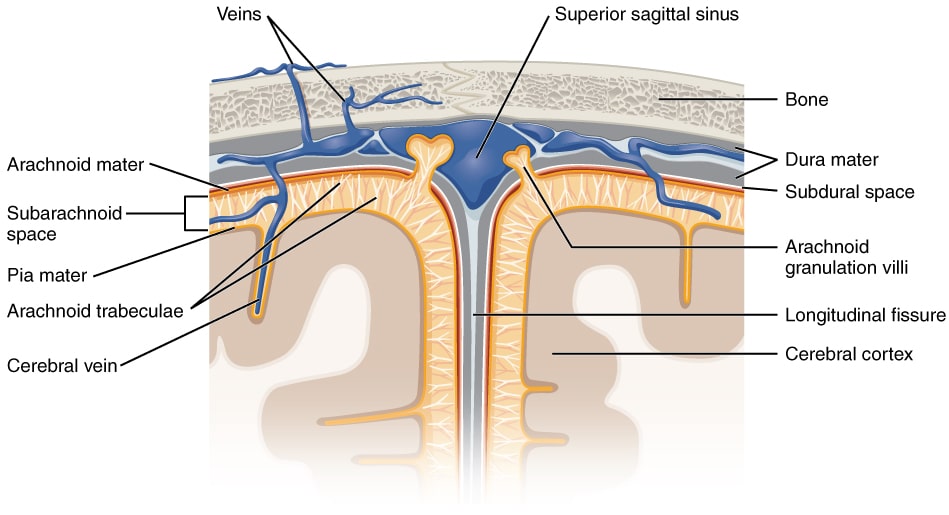
Cerebrospinal fluid (CSF) is the clear fluid that surrounds and cushions the brain and spinal cord. It’s held in place by the dura, a tough membrane. A CSF leak happens when there is a tear or hole in the dura, or a weak spot in the skull base, that lets fluid escape. When enough fluid leaks out, pressure around the brain drops, and the brain can sag slightly within the skull, causing headaches and other symptoms (intracranial hypotension).
Types of CSF Leaks
- Spinal CSF leaks: fluid leaks from the dura around the spinal cord; can be spontaneous or follow a spinal tap, epidural or spine surgery
- Cranial (skull base) CSF leaks: fluid leaks through a defect in the skull base, often draining from the nose or ear
- CSF-venous fistulas: an abnormal connection lets spinal fluid drain into a nearby vein
Symptoms
Common symptoms
- Headache that worsens when sitting or standing and improves when lying flat (orthostatic headache)
- Neck pain or stiffness
- Nausea and vomiting
- Ringing in the ears, muffled hearing or dizziness
- Clear, watery drainage from one side of the nose or ear, often worse when leaning forward (with skull base leaks)
Symptoms patients often ignore
- Headaches that are milder in the morning and build through the day
- A salty or metallic taste in the back of the throat
- Brain fog, trouble concentrating or fatigue
- Headaches that began after a spinal tap, epidural, injury or surgery
When it’s an emergency: Fever, stiff neck, severe headache or confusion with a CSF leak can signal meningitis. Call 911 or go to the nearest emergency room.
Causes and Risk Factors
- Spinal taps, epidural injections or spinal anesthesia
- Spine or brain surgery
- Head or spine injury
- Bone spurs or calcified discs that puncture the dura
- Connective tissue disorders, such as Ehlers-Danlos or Marfan syndrome
- Idiopathic intracranial hypertension, which can thin the skull base
- Spontaneous leaks with no clear cause
How We Diagnose CSF Leaks
- MRI of the brain with contrast: can show signs of low pressure, such as brain sagging or thickened brain lining
- MRI of the whole spine: looks for fluid collecting outside the dura
- CT myelogram or digital subtraction myelography: contrast dye injected into the spinal fluid pinpoints the location of the leak
- Testing nasal or ear fluid: for beta-2 transferrin, a protein found in CSF, to confirm a skull base leak
- CT cisternography: for skull base leaks

Treatment Options
Non-surgical treatment comes first
- Rest, lying flat, hydration and caffeine: many small leaks, especially after a spinal tap, heal on their own
- Epidural blood patch: your own blood is injected into the epidural space to seal the leak; it may be repeated or targeted to the leak site
- Fibrin glue patch: a targeted injection at the leak site
When surgery makes sense
Surgery is recommended when a leak doesn’t heal with patches, when a specific tear, bone spur or fistula has been located, or for most skull base leaks because of the risk of meningitis. CSF leak repair seals the hole in the dura directly, often with sutures, a graft or sealant. Some skull base leaks are repaired endoscopically through the nose by a skull base team. Surgery can often correct the problem and resolve symptoms.
What to Expect If You Need Surgery
Procedure day
Spinal CSF leak repair typically takes one to three hours. Most patients stay in the hospital one to three days, sometimes lying flat for a short time afterward.
Recovery timeline
- Days 1-3: rest, sometimes lying flat; headaches often improve
- Weeks 1-6: avoid heavy lifting, bending and straining
- Weeks 6-12: gradual return to full activity
Some patients develop a temporary “rebound” headache from high pressure after the leak is sealed, which usually settles with time or medication.
Frequently Asked Questions
Why is my headache better when I lie down?
When you’re upright, fluid loss lets the brain sag, stretching sensitive structures. Lying flat relieves that pull.
Can a CSF leak heal on its own?
Many small leaks, especially after a spinal tap, heal with rest and fluids. Persistent leaks often need a blood patch or surgery.
How do I know if fluid from my nose is CSF?
CSF is clear and watery, often from one side, and may increase when you lean forward. A lab test of the fluid can confirm it.
Is a CSF leak dangerous?
Most spinal leaks aren’t life-threatening but can be disabling. Skull base leaks carry a risk of meningitis and should be repaired.
Why are CSF leaks often misdiagnosed?
The symptoms can look like migraines or other headache disorders, and leaks can be hard to see on standard imaging.
This page is for educational purposes only and is not a substitute for medical advice. If you have a sudden severe headache, a seizure, new weakness or numbness, confusion, or trouble speaking or seeing, call 911 or go to the nearest emergency room.