
Brain Contusions: Understanding a Bruise on the Brain
After a head injury, call 911 or go to the nearest emergency room for confusion, a worsening headache, repeated vomiting, unusual drowsiness, a seizure, weakness, trouble speaking or one pupil larger than the other.
What Is a Brain Contusion?
A brain contusion is a bruise of the brain tissue. It happens when a blow or sudden jolt makes the brain strike the inside of the skull, damaging small blood vessels and causing bleeding and swelling in that area. Contusions most often affect the front (frontal) and side (temporal) parts of the brain, where the inside of the skull is rough and bony.
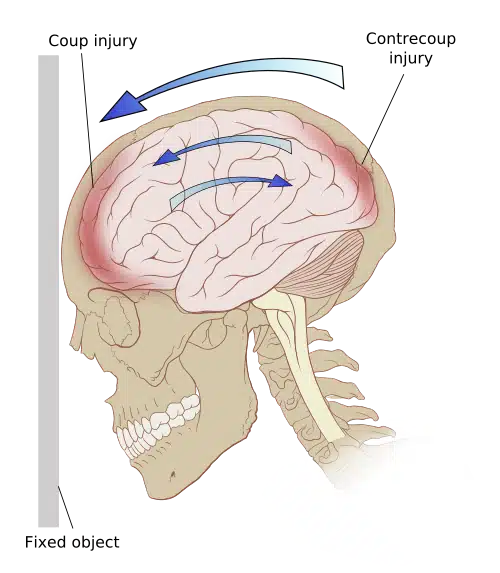
A contusion can occur right under the point of impact (a “coup” injury) and on the opposite side of the brain as it rebounds (a “contrecoup” injury). Contusions can grow and swell over the first few days after injury, which is why close monitoring is important.
Symptoms
- Headache
- Confusion or memory problems
- Drowsiness or loss of consciousness
- Nausea and vomiting
- Weakness or numbness on one side
- Trouble speaking or understanding
- Vision problems
- Seizures
- Personality or behavior changes, especially with frontal lobe injuries
Causes and Risk Factors
- Falls, especially in older adults
- Car, motorcycle and bicycle accidents
- Sports injuries
- Assaults
- Blood thinners, which can make bleeding and contusions larger
How It’s Diagnosed
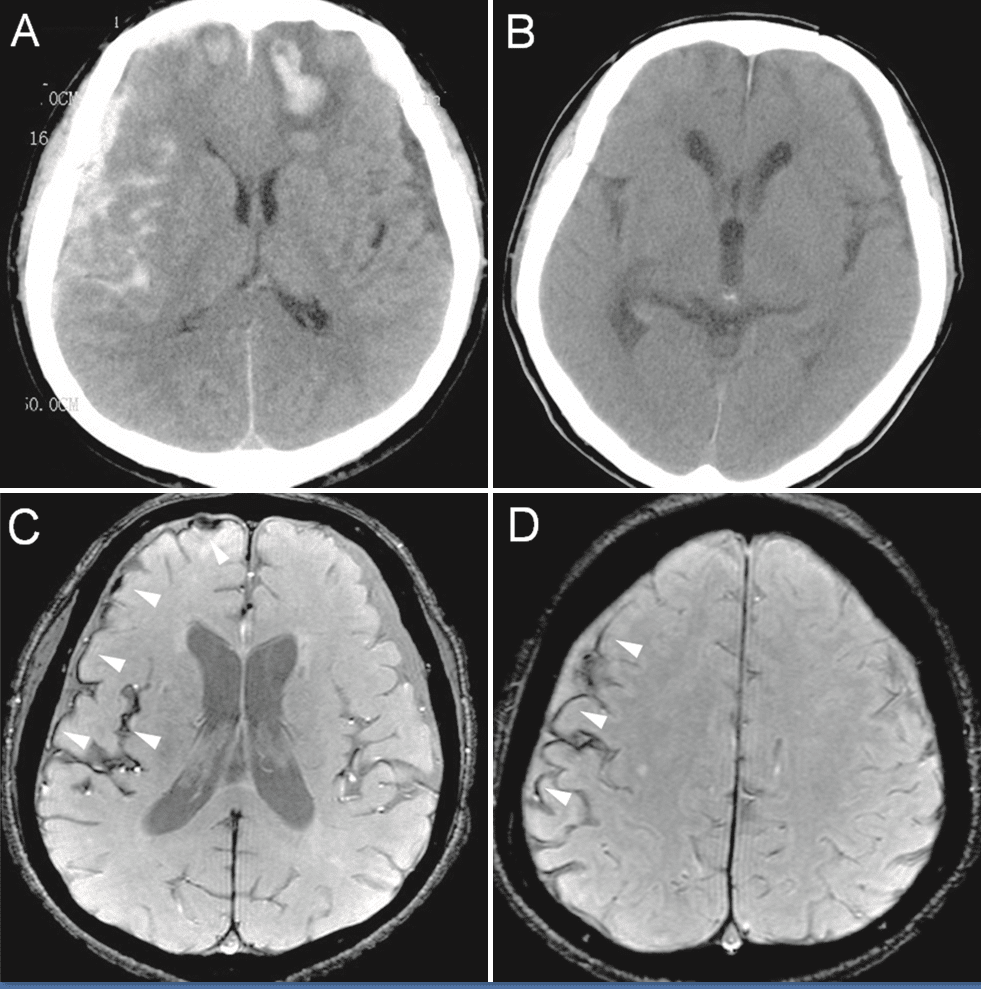
- CT scan of the head: shows contusions, bleeding and swelling, and is repeated to check for growth
- MRI: more sensitive for smaller injuries
- Neurological exams: frequent checks of alertness, pupils, strength and speech
- Intracranial pressure monitoring: in severe injuries
Treatment
Medical care
Most contusions are treated without surgery, with close monitoring in the hospital, often in the intensive care unit:
- Repeat CT scans to check for growth
- Controlling brain swelling and pressure
- Reversing blood thinners when appropriate
- Seizure prevention
- Managing blood pressure, oxygen and fluids to protect the brain
Surgery
Surgery is needed when a contusion is large, growing, or causing dangerous pressure on the brain. In these cases, surgery can be lifesaving and can often correct the problem:
- Craniotomy: to remove the damaged tissue and blood
- Decompressive craniectomy: removing part of the skull temporarily to allow the brain to swell safely
- Intracranial pressure monitor or drain: to measure and relieve pressure
Recovery
Recovery depends on the size and location of the contusion and any other injuries. Small contusions often heal with few lasting effects. Larger injuries may cause lasting problems with memory, attention, mood, speech or movement, and rehabilitation, including physical, occupational, speech and cognitive therapy, plays a big role. Improvement can continue for many months.
Frequently Asked Questions
Is a brain contusion the same as a concussion?
No. A concussion is a functional injury that doesn’t show on scans, while a contusion is a visible bruise with bleeding in the brain tissue.
Will a contusion heal on its own?
Many small contusions heal with monitoring and time. Large or growing contusions may need surgery.
Why did my doctor repeat the CT scan?
Contusions can grow in the first day or two, so repeat imaging makes sure the bleeding is stable.
Will I have lasting effects?
It depends on the size and location of the injury. Rehabilitation helps many people regain function.
When can I drive or return to work?
Only when cleared by your care team, usually after symptoms improve and any seizure risk has been addressed.
Follow-Up Care After Hospital Treatment
For a new head injury or sudden symptoms, call 911 or go to the nearest emergency room.
A brain contusion is usually diagnosed and treated in the emergency room and hospital. After you go home, follow-up with a neurosurgeon is an important part of recovery, including repeat imaging and guidance on returning to work, driving and normal activities. If Dr. Grunch cared for you in the hospital, or you’ve been referred for follow-up, call 470-293-9800 to schedule your visit or contact us online.
We see patients across metro Atlanta and North Georgia at our offices in Gainesville, Sandy Springs and South Atlanta (Riverdale). Find the office nearest you.
This page is for educational purposes only and is not a substitute for medical advice. If you or someone else has a head injury with confusion, worsening headache, repeated vomiting, a seizure, unequal pupils, weakness or trouble waking up, call 911 or go to the nearest emergency room.