
Sciatica Treatment: Relief for Pain That Travels Down Your Leg
Sciatica can stop you in your tracks, but it usually gets better. When it doesn’t, the cause can almost always be found and fixed.
What Is Sciatica?
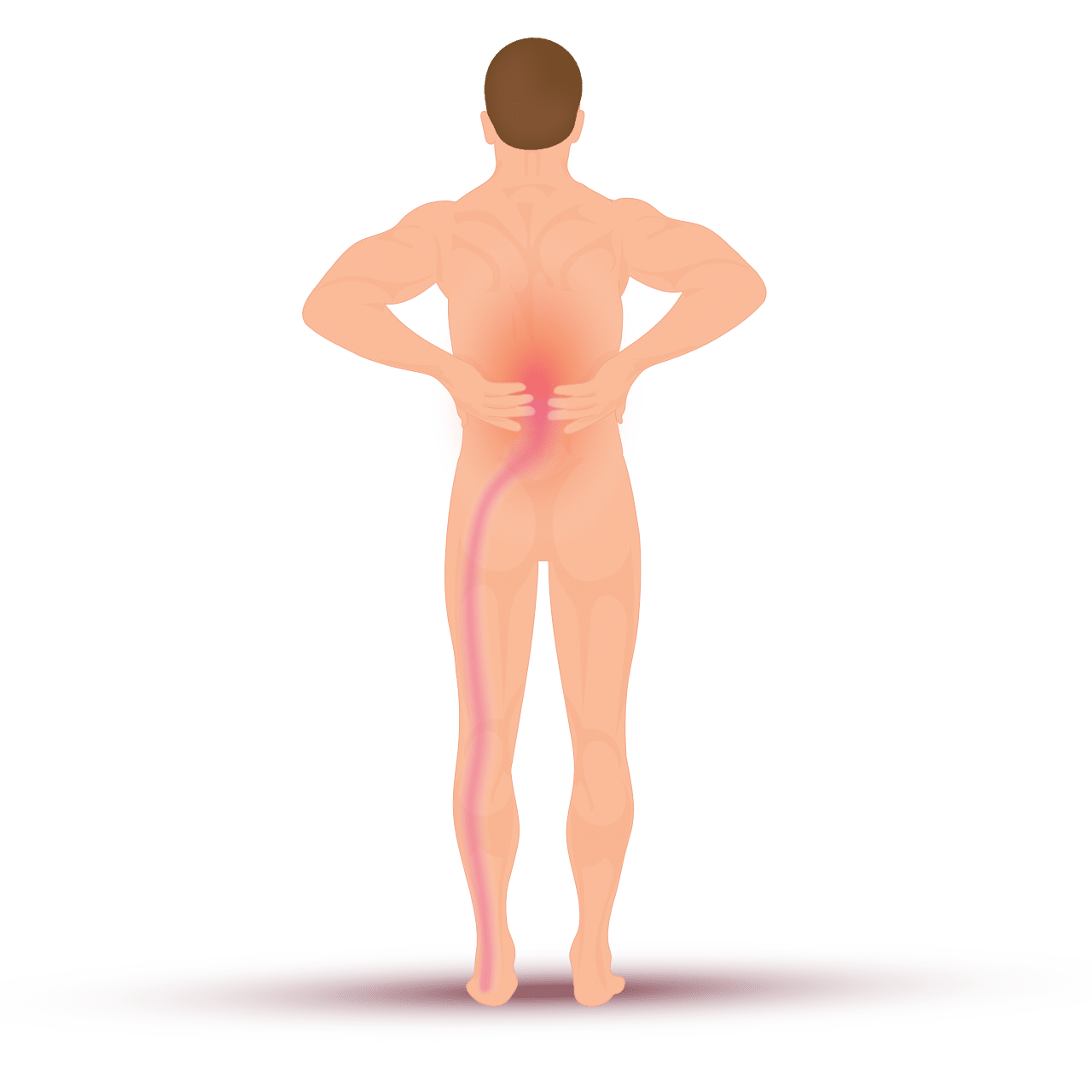
Sciatica is pain that starts in the lower back or buttock and travels down the back of one leg, sometimes all the way to the foot. Doctors call it lumbar radiculopathy, which simply means an irritated or pinched nerve root in the lower back.
The sciatic nerve is the largest nerve in your body. It forms from several nerve roots that leave the lower spine, join together in the buttock and run down the leg. When one of those roots gets squeezed or inflamed where it exits the spine, you feel the pain along the path that nerve travels, not just at the spot where the problem is.
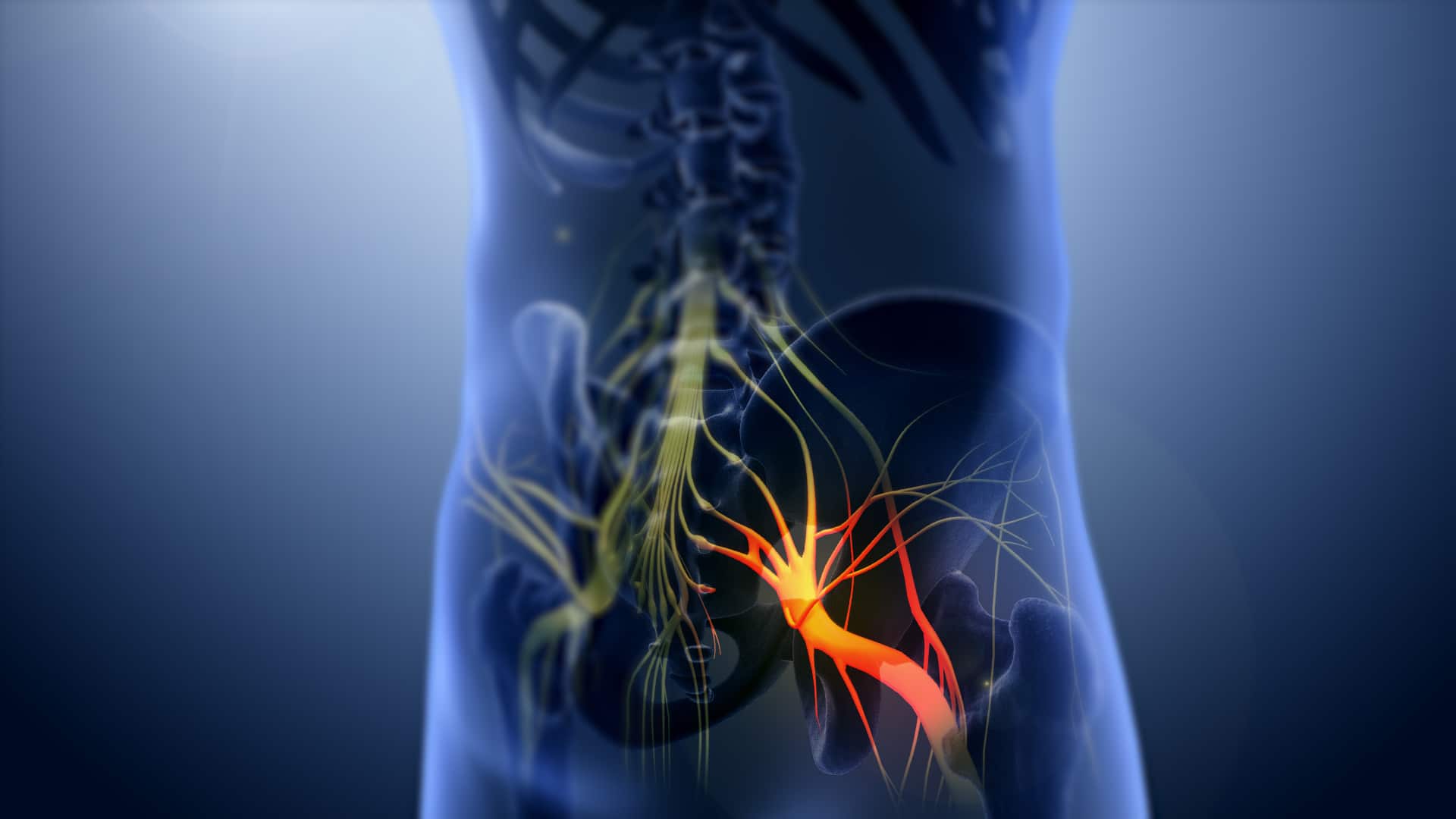
The good news: most episodes of sciatica improve within a few weeks to a few months with time and conservative care. For people whose pain doesn’t let up, or whose leg is getting weak or numb, minimally invasive surgery can take the pressure off the nerve and bring fast relief.
What’s Happening in Your Spine
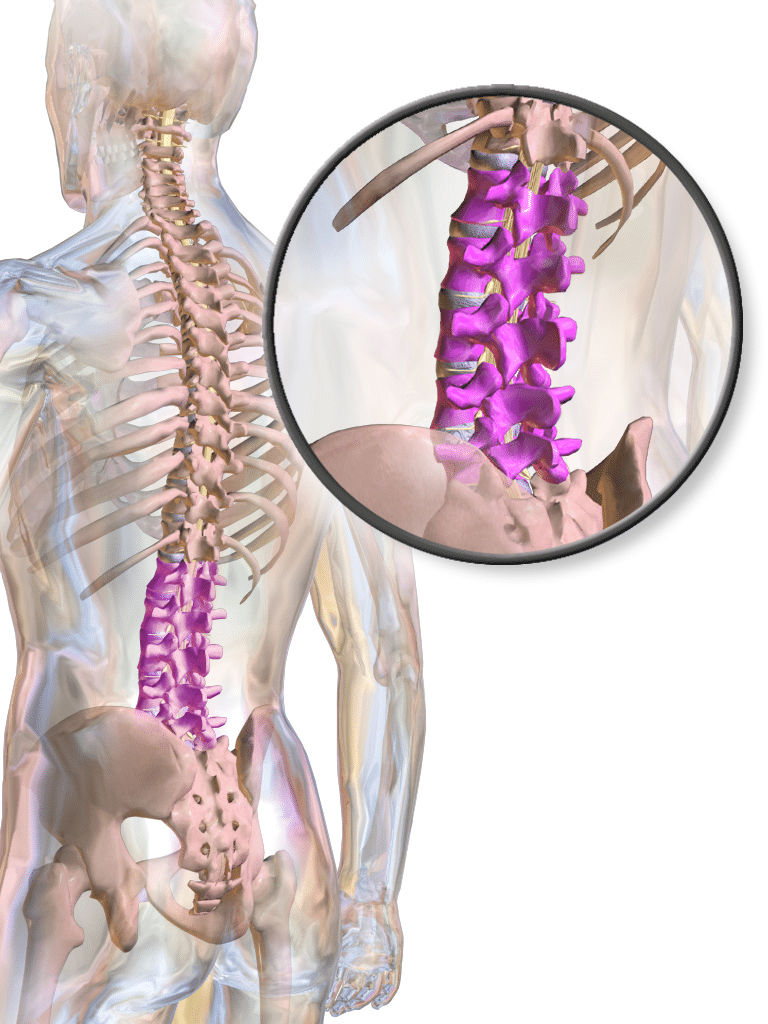
Each nerve root exits the spine through a small opening on the side called a foramen. Anything that narrows that space or presses on the root can cause sciatica. The location of your pain, numbness or weakness tells your surgeon which nerve root is involved:
- L4 nerve root: pain in the front of the thigh and inner shin, weakness straightening the knee
- L5 nerve root: pain down the side of the leg to the top of the foot and big toe, weakness lifting the foot or toes
- S1 nerve root: pain down the back of the leg to the sole and outer foot, weakness pushing up on your toes
Symptoms of Sciatica
Common symptoms
- Sharp, burning or electric pain that shoots from the buttock down one leg
- Leg pain that is worse than the back pain
- Numbness, tingling or a “pins and needles” feeling in the leg or foot
- Pain that worsens with sitting, bending forward, coughing or sneezing
Symptoms patients often ignore
- A foot that slaps the ground or catches on stairs (foot drop)
- Trouble standing on your tiptoes or heels on one side
- A calf that seems smaller or weaker than the other
- Pain only in the foot or calf, with little or no back pain
- Needing to stand or walk partway through a movie or car ride
When it’s an emergency: Call 911 or go to the nearest emergency room if you develop new trouble controlling your bladder or bowels, numbness in the groin or inner thighs, or weakness in both legs. These can be signs of cauda equina syndrome, which needs urgent surgery.
Causes and Risk Factors
Sciatica is a symptom, not a diagnosis. The most common causes are:
- Herniated disc: the most frequent cause in people under 50
- Foraminal stenosis: narrowing of the nerve’s exit opening from arthritis, bone spurs or disc collapse, more common after 50
- Spinal stenosis: narrowing of the central spinal canal
- Spondylolisthesis: one vertebra slipping forward on another and pinching the nerve
Risk factors include age, heavy lifting or long hours of driving, excess body weight, smoking, diabetes and a sedentary lifestyle.
How We Diagnose Sciatica
Finding the exact source of the pain is what makes treatment work. Dr. Grunch and her team will:
- Listen to your story: where the pain travels, what makes it better or worse and how it has changed over time
- Perform a neurological exam: strength, reflexes, sensation and tests such as the straight-leg raise to pinpoint the nerve root
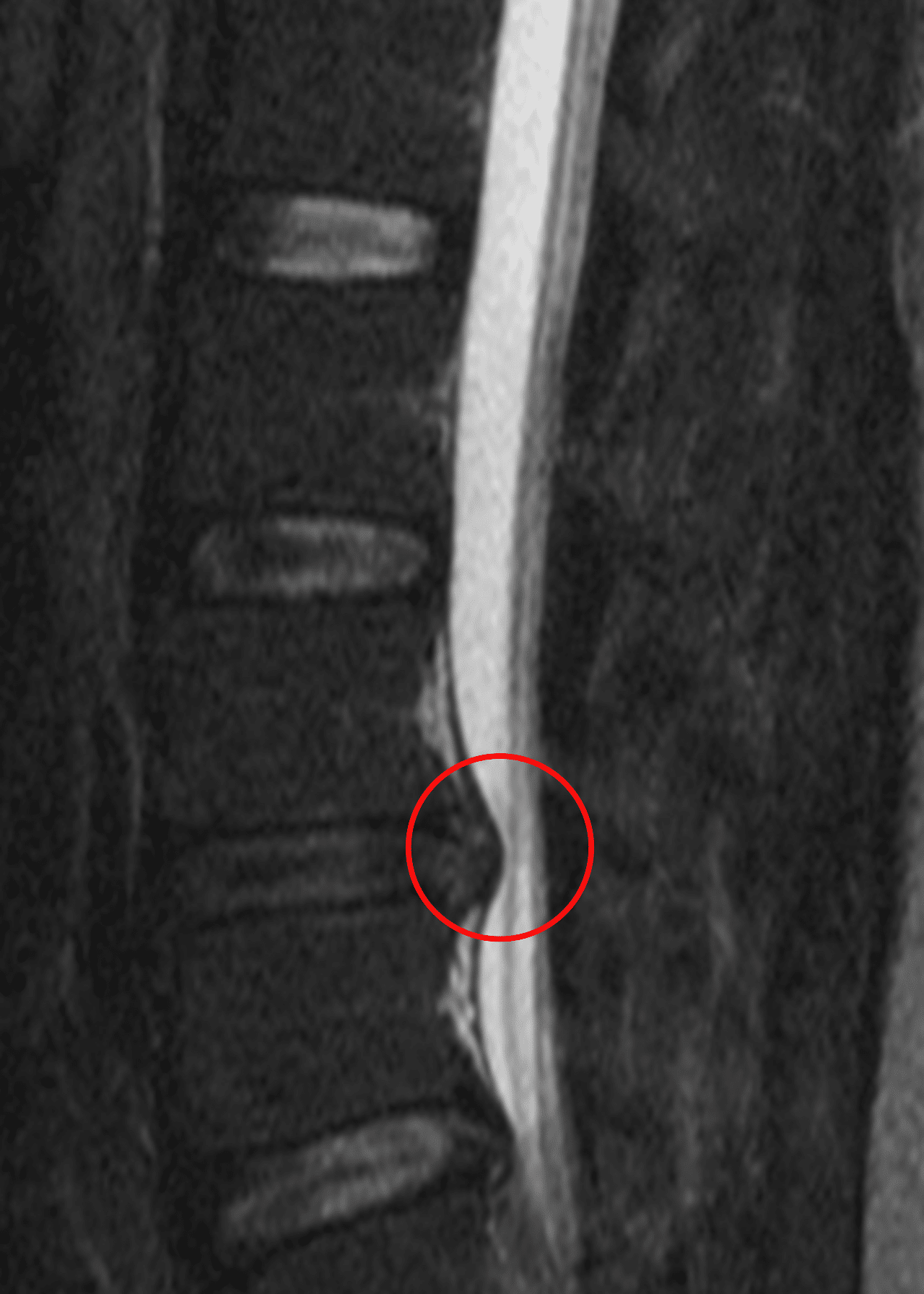
- Review or order an MRI: the best test for seeing discs and nerves. Bring any MRI you already have to your visit.
- Add other tests when needed: X-rays with bending views to check for slipping or instability, a CT or CT myelogram if you can’t have an MRI, and EMG/nerve conduction studies to confirm nerve damage or rule out conditions like peripheral neuropathy or piriformis-related nerve irritation
Treatment Options
Non-surgical treatment comes first
- Staying active: gentle walking is better than bed rest
- Medications: anti-inflammatories, a short course of oral steroids or nerve-pain medications
- Physical therapy: core strengthening, nerve-gliding exercises and posture work
- Epidural steroid injections: image-guided injections that calm the inflamed nerve root and can give lasting relief while it heals
When surgery makes sense
Surgery is considered when leg pain persists after about six to twelve weeks of good conservative care, when pain keeps you from working or sleeping, or sooner if you have significant or worsening weakness. For the right patient, surgery relieves leg pain reliably and quickly.
Dr. Grunch specializes in minimally invasive spine surgery, which frees the nerve through small incisions while protecting the muscles and bone around it. Depending on the cause, options include:
- Minimally invasive microdiscectomy: removes the herniated disc fragment pressing on the nerve, usually as a same-day procedure
- Transforaminal (Kambin’s triangle) approaches: Dr. Grunch uses advanced approaches through Kambin’s triangle, a natural corridor beside the nerve, to reach the problem with minimal disruption
- Foraminotomy and laminotomy: carefully widen the nerve’s exit or the canal around it when bone spurs or thickened ligament are the cause
- Stabilization when needed: if a slipped or unstable vertebra is pinching the nerve, a minimally invasive fusion may be recommended to hold the spine in place
Why Choose Dr. Betsy Grunch for Sciatica
- Duke-trained: neurosurgical residency and spine research fellowship at Duke University School of Medicine, where she received the Spine Young Investigator Award
- Experience you can count on: in practice since 2013, performing 400 to 600 surgeries a year and more than 5,000 procedures over her career
- Minimally invasive focus: smaller incisions, less muscle disruption and faster recovery
- Surgery only when it helps: board-certified (FAANS, FACS, FCNS), she starts with the least invasive treatment that will work
- Clear answers: known online as Ladyspinedoc, she makes sure you understand exactly which nerve is involved and why
What to Expect If You Need Surgery
Before surgery
You’ll meet with Dr. Grunch or one of her physician assistants to review your imaging and plan the right procedure. Our team coordinates pre-operative testing, reviews your medications and walks you through the day of surgery.
Procedure day
Minimally invasive microdiscectomy and foraminotomy usually take one to two hours, and most patients go home the same day. Many people notice their leg pain is much better as soon as they wake up.
Recovery timeline
- Day 1: up and walking
- Weeks 1-2: short walks several times a day; most desk workers return to work
- Weeks 2-6: gradually increase activity; avoid heavy lifting, bending and twisting
- Weeks 6-12: return to exercise and physically demanding work as cleared
- Months 3-12: numbness and strength can keep improving as the nerve recovers
Recovery after a fusion is longer, and Dr. Grunch will give you a timeline specific to your procedure.
Frequently Asked Questions
How long does sciatica last?
Many episodes improve significantly within four to six weeks, and most within three months. If your pain is not improving after six to twelve weeks of conservative treatment, or you are losing strength, it’s time for a surgical evaluation.
Is sciatica the same as a pinched nerve?
Essentially, yes. Sciatica describes the pain pattern, and a pinched or irritated nerve root in the lower back is usually the cause. Finding out what is pinching the nerve, such as a disc, bone spur or slipped vertebra, determines the right treatment.
Can sciatica cause permanent damage?
Most people recover fully. Long-lasting, severe compression can leave permanent numbness or weakness, which is why progressive weakness, foot drop or bladder changes should be evaluated promptly.
Should I rest in bed until it goes away?
No. Short periods of rest are fine during a flare, but gentle walking and staying active help you recover faster than bed rest.
Will I need a fusion?
Most sciatica caused by a herniated disc or bone spur is treated without fusion. Fusion is reserved for cases where the spine is unstable, such as some types of spondylolisthesis, and Dr. Grunch will explain why if she recommends it.
Take the First Step Toward Relief
You don’t have to keep living with pain that runs down your leg. Whether you need a diagnosis, a treatment plan or a second opinion, Dr. Grunch and the Southern Neurosurgery team are here to help.
Call 470-293-9800 to schedule an appointment or contact us online.
Have a question first? Ask our virtual assistant anything, 24/7.
We see patients across metro Atlanta and North Georgia at our offices in Gainesville, Sandy Springs and South Atlanta (Riverdale). Find the office nearest you.
This page is for educational purposes only and is not a substitute for medical advice. If you have bladder or bowel changes, groin numbness or weakness in both legs, call 911 or go to the nearest emergency room.