
Treating Hydrocephalus Without a Shunt
For some types of hydrocephalus, there is a way to treat the fluid buildup without placing a shunt. An endoscopic third ventriculostomy (ETV) creates a natural detour for the fluid, and for the right patient it can often correct the problem with no hardware left behind.
What Is an Endoscopic Third Ventriculostomy?
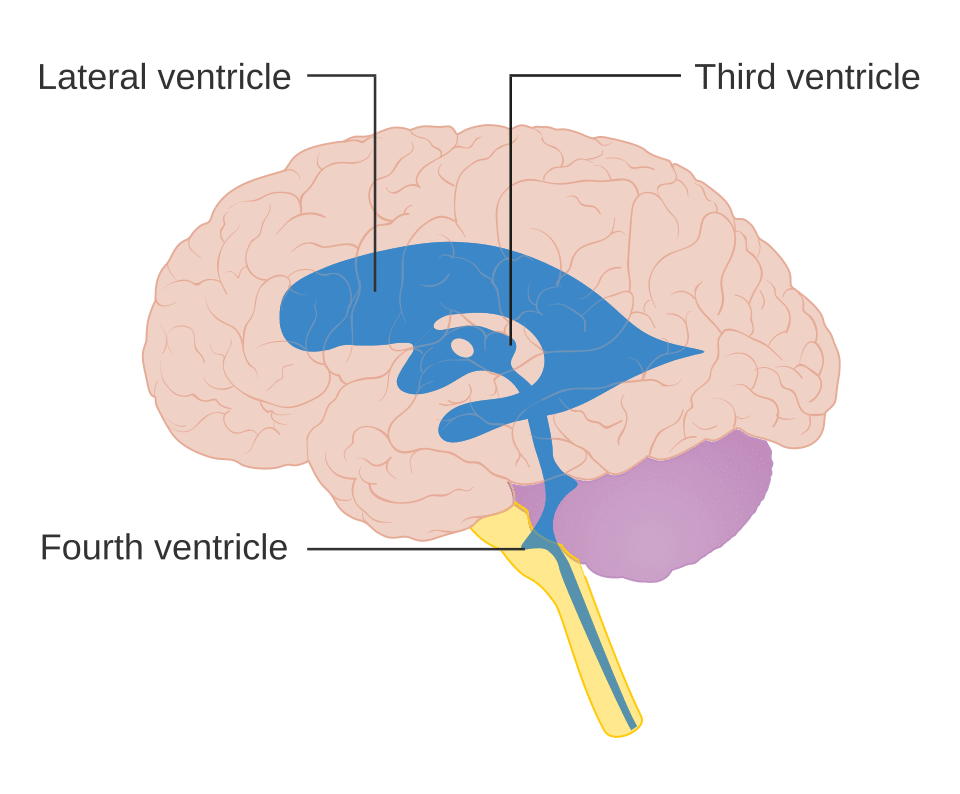
Cerebrospinal fluid is made inside the ventricles of the brain and normally flows through a narrow channel, the cerebral aqueduct, before circulating around the brain and spinal cord. When that pathway is blocked, fluid builds up and causes hydrocephalus.
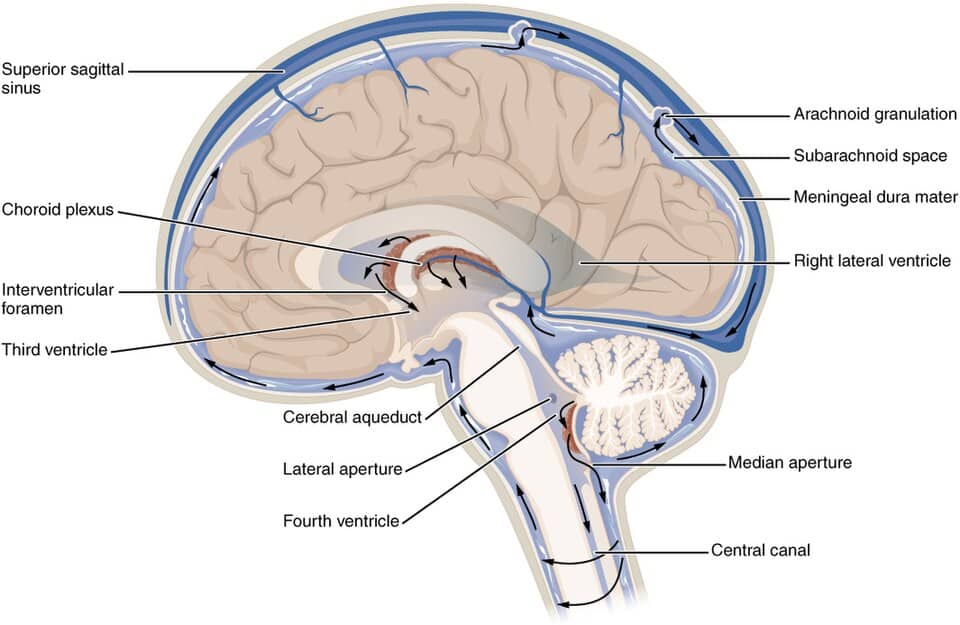
In an ETV, a thin camera (an endoscope) is passed into the ventricles through a small hole in the skull, and a tiny opening is made in the floor of the third ventricle. The fluid can then bypass the blockage and flow to where it is naturally absorbed.
Who Needs an ETV?
- Obstructive hydrocephalus from narrowing of the cerebral aqueduct (aqueductal stenosis)
- Hydrocephalus caused by a tumor or cyst blocking fluid flow, such as a pineal or tectal tumor
- Some people with a shunt that has failed, as an alternative to replacing it
ETV works best for obstructive hydrocephalus. It is usually not effective for normal pressure hydrocephalus or hydrocephalus caused by poor absorption of fluid, which are usually treated with a shunt.
Treatments to Try First
- Observation: mild, stable ventricle enlargement without symptoms may simply be watched with MRI scans
- Treating the cause: removing a tumor or cyst can sometimes reopen the fluid pathway
- A shunt: a VP shunt is the main alternative when ETV isn’t a good fit
How an ETV Is Done
- Planning: An MRI confirms the blockage and shows the anatomy of the third ventricle.
- Anesthesia: You’ll be fully asleep.
- Endoscope: Through a small incision and a single hole in the skull, the endoscope is guided into the ventricles.
- Ventriculostomy: A small opening is made in the floor of the third ventricle and gently widened with a tiny balloon.
- Closing: The endoscope is removed and the incision is closed. No tubing or valve is left in the body.
Watch an animation of an endoscopic third ventriculostomy:
Video: Endoscopic Third Ventriculostomy Animation, courtesy of Pacific Neuroscience Institute (YouTube)
Watch Dr. Grunch explain hydrocephalus caused by aqueductal stenosis:
Video: Case Study 145, Congenital Hydrocephalus Secondary to Aqueductal Stenosis, explained by Dr. Grunch on her Ladyspinedoc channel (YouTube)
Benefits and Risks
Benefits
- Treats hydrocephalus without a permanent shunt
- Avoids shunt-related problems such as blockage, infection of the hardware and overdrainage
- Small incision and a short hospital stay
Risks
- The opening closing over time, which can cause symptoms to return and may need a repeat ETV or a shunt
- Bleeding, which can rarely be serious because of nearby blood vessels
- Infection or a spinal fluid leak from the incision
- Temporary hormone changes, memory problems or double vision
- Risks related to anesthesia
Why Choose Dr. Betsy Grunch for Your Endoscopic Third Ventriculostomy
- Duke-trained: Dr. Grunch completed her neurosurgical residency at Duke University School of Medicine, one of the top neurosurgery programs in the country.
- Shunt-free when possible: She considers ETV for every patient with obstructive hydrocephalus, so a permanent shunt is used only when it is the best option.
- Experience you can count on: She has been in practice since 2013 and performs 400 to 600 surgeries a year, more than 5,000 procedures over her career.
- Long-term follow-up: Hydrocephalus is a lifelong condition. Her team follows you after surgery and evaluates any new symptoms quickly, since the opening can close years later.
- A teacher at heart: As “Ladyspinedoc,” she is known for explaining brain and spine conditions clearly, including many hydrocephalus case studies. You’ll leave your visit understanding your imaging and every option in front of you.
What to Expect
Before surgery
You’ll meet with Dr. Grunch or one of her physician assistants to review your CT or MRI, your symptoms and your goals, and to decide together whether an ETV is right for you. Our team will coordinate pre-operative testing, review your medications (including blood thinners you may need to pause) and walk you through the day of surgery. You’ll have an MRI to confirm that the fluid blockage is the type ETV can treat.
Procedure day
An ETV usually takes about one hour. Afterward you’ll be monitored closely, and most patients stay in the hospital for one to two days.
Recovery timeline
- First days: Mild headache and tiredness are common. Some symptoms can take a few days to improve as fluid pressure adjusts.
- Two weeks: Stitches or staples are removed.
- Four to six weeks: A follow-up visit, often with an MRI that shows fluid flowing through the new opening.
- Long term: Periodic follow-up, because the opening can close, sometimes years later.
Caring for yourself at home
- Your incision: You can usually shower after two to three days. Let water run gently over the incision and pat it dry. Don’t scrub, soak in a bath or pool, or use hair dye or harsh hair products until it has fully healed. Staples or stitches are usually removed in 10 to 14 days.
- Activity: Walk every day and rest when you’re tired. Avoid heavy lifting, bending over and straining for about four to six weeks, and avoid contact sports until you are cleared.
- Medications: Take any seizure medication exactly as prescribed and don’t stop it on your own. Don’t take blood thinners, aspirin or anti-inflammatory medications such as ibuprofen until Dr. Grunch’s team tells you it’s safe. Take pain medication with food, avoid alcohol and use a stool softener so you don’t strain.
- Driving: Don’t drive until you are cleared. If you have had a seizure, Georgia law limits driving for a period of time.
- Recovery at home: Fatigue, headaches and trouble concentrating are common for several weeks. Have someone stay with you for the first few days.
Call the office at 470-293-9800 if you have a fever over 101°F, redness, swelling or drainage from the incision, or clear fluid leaking from the incision. Call 911 or go to the emergency room for a severe or worsening headache, repeated vomiting, unusual sleepiness or confusion, a seizure or vision changes, which can be signs that fluid is building up again.
Download your patient instructions
Your instructions depend on the type of surgery you have. Our team will give you written instructions before you go home, and you’ll find other patient sheets on our Patient Resources page.
Frequently Asked Questions
Will I still need a shunt?
Many people with obstructive hydrocephalus never need a shunt after a successful ETV. If the opening doesn’t work or closes later, a repeat ETV or a shunt may be needed.
How successful is ETV?
In well-selected adults with obstructive hydrocephalus, ETV works in most cases. Success depends on the cause of the hydrocephalus and your anatomy.
Is anything left inside my head?
No. Unlike a shunt, an ETV leaves no tubing or valve behind.
Can ETV help normal pressure hydrocephalus?
Usually not. NPH is generally treated with a shunt.
How will I know if the opening has closed?
Your original symptoms, such as headaches, nausea, vision problems or trouble walking, may return. Call right away if you notice them.
Take the Next Step
If you or a loved one is living with hydrocephalus, you don’t have to navigate it alone. Whether you need a diagnosis, a treatment plan or a second opinion, Dr. Grunch and the Southern Neurosurgery team are here to help you understand your options.
Call 470-293-9800 to schedule an appointment or contact us online.
Have a question first? Ask our virtual assistant anything, 24/7.
We see patients across metro Atlanta and North Georgia at our offices in Gainesville, Sandy Springs and South Atlanta (Riverdale). Find the office nearest you.
Related pages: Hydrocephalus · VP shunt · VA shunt · Normal pressure hydrocephalus
This page is for educational purposes only and is not medical advice. It does not replace individualized care from a licensed physician. If you have a sudden severe headache, a seizure, new weakness or numbness, confusion, or trouble speaking or seeing, call 911 or go to the nearest emergency room.