
Metastatic Brain Tumors: Treatment When Cancer Spreads to the Brain
Learning that cancer has spread to the brain is hard news. Treatment has advanced a great deal, and many patients today live well for months to years with focused radiation, surgery and newer cancer medicines.
What Are Metastatic Brain Tumors?
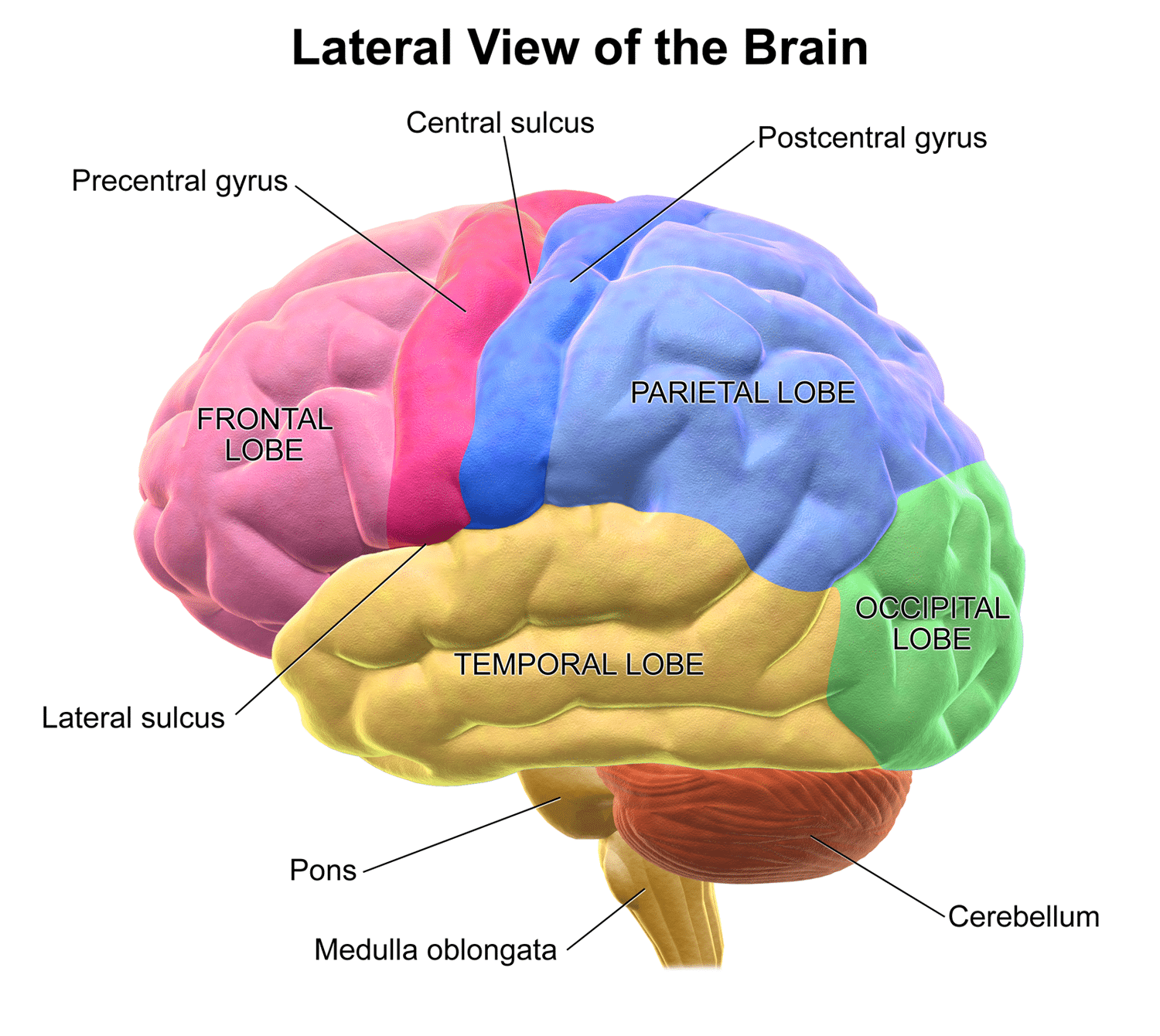
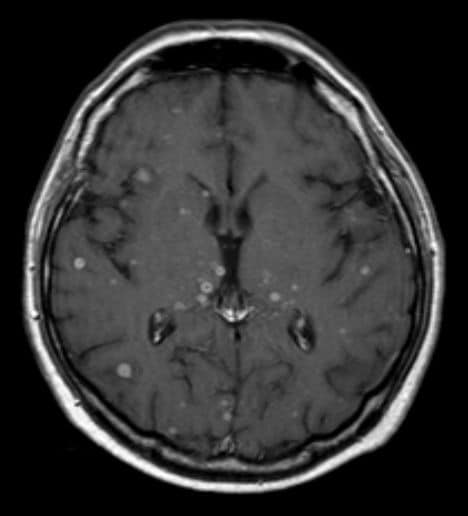
A metastatic brain tumor (brain metastasis) is cancer that started somewhere else in the body and spread to the brain through the bloodstream. They are the most common type of brain tumor in adults. A person may have a single metastasis or several.
The cancers that most often spread to the brain are lung cancer, breast cancer, melanoma, kidney cancer and colon cancer. Sometimes a brain metastasis is found before the original cancer is known.
Symptoms
Common symptoms
- Headaches, often worse in the morning
- Seizures
- Weakness or numbness on one side of the body
- Trouble speaking or understanding
- Vision changes
- Nausea and vomiting
- Balance problems or clumsiness
Symptoms patients often ignore
- Confusion, memory problems or personality changes
- Unusual tiredness or sleepiness
- New headaches in anyone with a history of cancer
When it’s an emergency: A seizure, a sudden severe headache, new weakness, confusion or trouble speaking needs emergency care. Call 911 or go to the nearest emergency room.
Risk Factors
- A current or past diagnosis of cancer, especially lung, breast, melanoma, kidney or colon cancer
- Cancer that has already spread to other organs
How We Diagnose Metastatic Brain Tumors
- MRI with contrast: the best test for finding and measuring brain metastases, including very small ones
- CT scan: often the first test in the emergency room
- Body imaging (CT or PET): to look for the original cancer and other areas of spread
- Biopsy or surgery: when the diagnosis isn’t clear
Treatment Options
Treatment is planned with your oncology and radiation teams and depends on the number, size and location of the tumors, the type of cancer, how well the cancer is controlled elsewhere, and your overall health and goals.
Radiation
- Stereotactic radiosurgery (SRS): highly focused radiation that treats one or several tumors precisely while sparing healthy brain
- Whole-brain radiation: used for many tumors or certain situations
Medications
- Steroids: reduce swelling around the tumor and quickly relieve symptoms
- Anti-seizure medications for patients who have had seizures
- Targeted therapy and immunotherapy: some newer medicines can shrink brain metastases from certain cancers
When surgery makes sense
Surgery is often recommended for a large tumor causing pressure or symptoms, a single or limited number of accessible tumors, or when a diagnosis is needed. Removing the tumor through a craniotomy can quickly relieve symptoms and is usually followed by focused radiation to the area. A brain biopsy may be done when the type of tumor isn’t known.
Getting you to the right surgeon
Depending on a tumor’s type, size and location, surgery is sometimes best performed by a neurosurgeon who specializes in brain tumors. Dr. Grunch reviews your imaging and makes that decision with you: she will either perform your surgery herself or refer you to a trusted brain tumor specialist, so you get the right operation from the right surgeon.
Why Choose Dr. Betsy Grunch for Metastatic Brain Tumors
- Duke-trained: neurosurgical residency and spine research fellowship at Duke University School of Medicine, where she received the Spine Young Investigator Award
- Experience you can count on: in practice since 2013, performing 400 to 600 surgeries a year and more than 5,000 procedures over her career
- Comprehensive neurosurgical care: she treats conditions of the brain, spine and peripheral nerves, and works closely with oncology and radiation teams
- The right treatment for you: board-certified (FAANS, FACS, FCNS), she starts with the least invasive option that will work, and recommends surgery when it can correct the problem
- Clear answers: known online as Ladyspinedoc, she makes sure you understand your imaging and every option in front of you
What to Expect If You Need Surgery
Before surgery
You’ll meet with Dr. Grunch or one of her physician assistants to review your imaging and goals. Our team coordinates with your oncology team so surgery fits into your overall plan.
Procedure day
Surgery typically takes a few hours. Most patients spend a night in the intensive care unit, followed by a short hospital stay.
Recovery timeline
- Days 1-3: close monitoring and walking; symptoms often improve quickly
- Weeks 1-4: focused radiation to the surgical area usually begins
- Weeks 2-6: return to cancer treatment as directed by your oncologist
- Ongoing: regular brain MRI scans to watch for new tumors
Frequently Asked Questions
Is a metastatic brain tumor the same as brain cancer?
Not exactly. It’s the original cancer (for example, lung or breast cancer) that has spread to the brain, so it’s treated based on that type of cancer.
Can brain metastases be treated?
Yes. Focused radiation, surgery and newer medicines can control brain metastases for many patients.
When is surgery better than radiation?
Surgery is often best for a large tumor causing symptoms or swelling, or when a diagnosis is needed. Small tumors are often treated with radiosurgery alone.
Will I lose my hair or memory from radiation?
Focused radiosurgery has fewer side effects than whole-brain radiation. Your radiation oncologist will explain the expected effects of your specific plan.
How long will I need follow-up scans?
Brain MRI scans are usually repeated every few months, since new tumors can develop.
Take the Next Step
Learning that cancer has spread to your brain is frightening. Whether you need a diagnosis, a treatment plan or a second opinion, Dr. Grunch and the Southern Neurosurgery team are here to help you understand your options.
Call 470-293-9800 to schedule an appointment or contact us online.
Have a question first? Ask our virtual assistant anything, 24/7.
We see patients across metro Atlanta and North Georgia at our offices in Gainesville, Sandy Springs and South Atlanta (Riverdale). Find the office nearest you.
This page is for educational purposes only and is not a substitute for medical advice. If you have a sudden severe headache, a seizure, new weakness or numbness, confusion, or trouble speaking or seeing, call 911 or go to the nearest emergency room.