
Diffuse Axonal Injury: Understanding a Severe Traumatic Brain Injury
Anyone who is unconscious or confused after a high-speed crash, fall or violent shaking needs emergency care. Call 911 and don’t move the person unless they’re in danger.
What Is Diffuse Axonal Injury?
Diffuse axonal injury (DAI) is a type of traumatic brain injury in which the brain’s long connecting nerve fibers, called axons, are stretched and torn. It happens when the head moves or rotates rapidly, such as in a high-speed car crash, and the brain shifts and twists inside the skull. Because different parts of the brain move at slightly different speeds, the fibers that connect them are sheared.
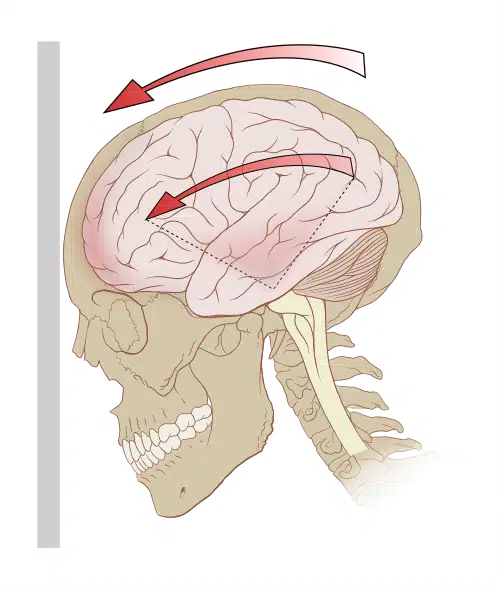
Unlike a bruise or blood clot in one spot, DAI affects many areas of the brain at once. It ranges from mild to severe and is one of the most common causes of prolonged unconsciousness and lasting disability after head trauma.
Symptoms
- Loss of consciousness, often immediately after the injury, which may last a long time in severe cases
- Confusion and disorientation
- Headache, nausea and vomiting
- Drowsiness or trouble waking
- Problems with balance, coordination and movement
- Memory, attention and thinking problems
- Changes in mood, behavior and personality
Causes
- High-speed car and motorcycle crashes
- Falls from height
- Sports injuries with rapid acceleration or rotation
- Assaults
- Abusive head trauma (shaken baby syndrome)
How It’s Diagnosed
- CT scan: often done first to look for bleeding and other injuries; DAI may look normal or show only small spots of bleeding
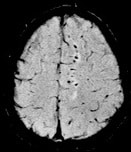
- MRI: more sensitive; special sequences (SWI and DTI) can show tiny bleeds and damaged nerve pathways
- Neurological exams: including the Glasgow Coma Scale to measure level of consciousness
Treatment
There’s no surgery that repairs torn axons. Treatment focuses on protecting the brain from further injury and supporting recovery:
- Intensive care monitoring, often with breathing support
- Controlling brain swelling and pressure, sometimes with an intracranial pressure monitor or drain
- Maintaining blood pressure, oxygen and nutrition
- Preventing seizures, infections and blood clots
- Surgery when there are other injuries, such as a subdural hematoma, or severe swelling requiring a decompressive craniectomy
Recovery and Rehabilitation
Recovery from DAI varies widely and can take months to years. People with mild DAI often recover well. Severe DAI may cause lasting physical, thinking or emotional challenges. Rehabilitation is central to recovery and may include:
- Physical therapy for strength, balance and walking
- Occupational therapy for daily activities
- Speech and cognitive therapy for communication, memory and attention
- Counseling and support for patients and families
Frequently Asked Questions
Can diffuse axonal injury be repaired with surgery?
No. Surgery can treat related problems like bleeding or swelling, but the damaged nerve fibers heal, or the brain adapts, over time.
Why didn’t the CT scan show the injury?
DAI involves microscopic damage that often doesn’t appear on CT. MRI is more sensitive.
Will my loved one wake up?
It depends on the severity of the injury. Many patients regain consciousness, sometimes after days or weeks. The care team will give updates as recovery unfolds.
How long does recovery take?
Recovery can continue for months to years, and progress is often gradual.
What support is available for families?
Rehabilitation teams, social workers and brain injury support groups can help families through recovery.
Follow-Up Care After Hospital Treatment
For a new head injury or sudden symptoms, call 911 or go to the nearest emergency room.
Diffuse axonal injury is usually diagnosed and treated in the emergency room and hospital. After you go home, follow-up with a neurosurgeon is an important part of recovery, including repeat imaging and guidance on returning to work, driving and normal activities. If Dr. Grunch cared for you in the hospital, or you’ve been referred for follow-up, call 470-293-9800 to schedule your visit or contact us online.
We see patients across metro Atlanta and North Georgia at our offices in Gainesville, Sandy Springs and South Atlanta (Riverdale). Find the office nearest you.
This page is for educational purposes only and is not a substitute for medical advice. If you or someone else has a head injury with confusion, worsening headache, repeated vomiting, a seizure, unequal pupils, weakness or trouble waking up, call 911 or go to the nearest emergency room.