
Gliomas: Understanding a Brain Tumor Diagnosis and Your Treatment Options
Being told you have a glioma brings fear and a flood of questions. Gliomas range from slow-growing tumors that people live with for many years to aggressive tumors that need prompt treatment. Understanding which type you have is the first step in building the right plan.
What Is a Glioma?
A glioma is a tumor that starts in the glial cells, the cells that support and protect the nerve cells of the brain and spinal cord. Gliomas are the most common type of primary brain tumor, meaning a tumor that starts in the brain rather than spreading there from somewhere else.
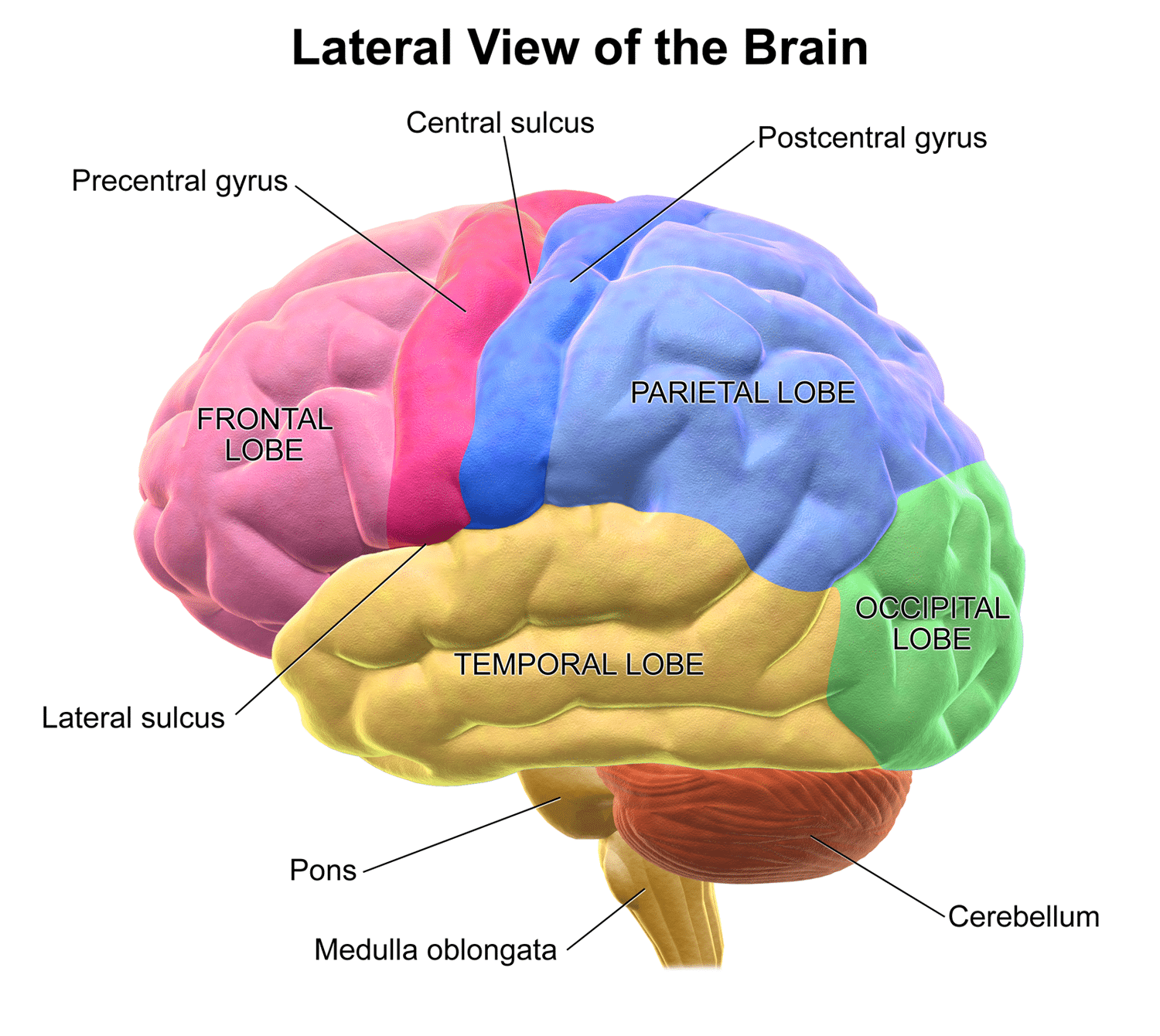
Gliomas are graded from 1 to 4 based on how they look under the microscope and on genetic markers. Lower-grade gliomas grow slowly, while higher-grade gliomas grow quickly and spread into nearby brain tissue. Today, genetic testing of the tumor (such as IDH mutation and 1p/19q status) is a key part of diagnosis and helps guide treatment.
Types of Gliomas
- Astrocytomas: range from lower-grade (IDH-mutant) to high-grade tumors
- Oligodendrogliomas: often slow-growing and tend to respond well to treatment
- Glioblastoma: the most common and most aggressive glioma in adults (grade 4)
- Ependymomas: grow from the cells lining the fluid spaces of the brain and spinal cord
- Pilocytic astrocytomas: slow-growing tumors more common in children and young adults
Symptoms
Common symptoms
- Headaches that are new, worsening or worse in the morning
- Seizures, which may be the first sign
- Weakness or numbness on one side of the body
- Trouble speaking, understanding words or finding the right word
- Vision changes
- Nausea and vomiting
Symptoms patients often ignore
- Personality changes, irritability or loss of interest noticed by family
- Memory problems or confusion
- Trouble concentrating or doing familiar tasks at work
- Clumsiness or balance problems
- Brief staring spells or odd sensations that could be small seizures
When it’s an emergency: A first seizure, a sudden severe headache, new weakness, confusion or trouble speaking needs emergency care. Call 911 or go to the nearest emergency room.
Causes and Risk Factors
Most gliomas have no known cause. Known risk factors include:
- Prior radiation to the head
- Rare inherited conditions such as neurofibromatosis, tuberous sclerosis and Li-Fraumeni syndrome
- Age (glioblastoma is more common in older adults)
How We Diagnose Gliomas
- Neurological exam: strength, sensation, vision, speech, coordination and thinking
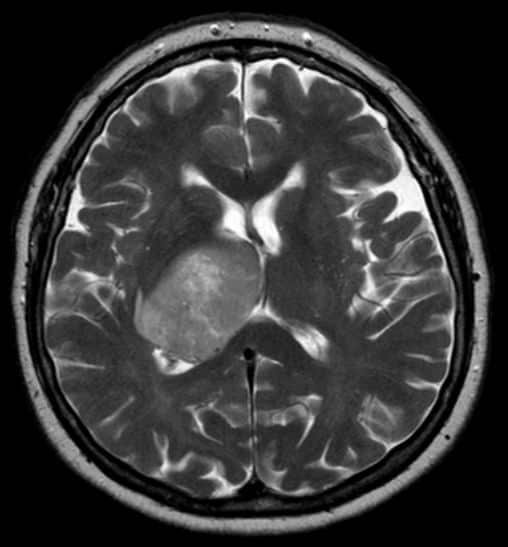
- MRI with and without contrast: the key test; advanced MRI may map blood flow, brain function or important nerve pathways
- Biopsy or surgery: provides tissue to confirm the diagnosis, grade and genetic markers (brain biopsy)
Treatment Options
Glioma treatment is planned by a team that includes a neurosurgeon, a neuro-oncologist and a radiation oncologist. The plan depends on the tumor’s type, grade, genetic markers and location, along with your health and goals.
Surgery
For most gliomas, surgery is the first step. Removing as much tumor as safely possible relieves pressure and symptoms, provides tissue for diagnosis and, for many gliomas, helps people live longer. Surgery is performed through a craniotomy using image-guided navigation and, when needed, brain mapping to protect areas that control movement and speech. When a tumor is deep or in a critical area, a biopsy may be done instead.
Radiation and medical treatment
- Radiation therapy: often recommended after surgery for higher-grade gliomas and some lower-grade gliomas
- Chemotherapy: such as temozolomide, often given with and after radiation
- Targeted therapy: newer medications for certain genetic types of glioma
- Tumor treating fields and clinical trials: options for some patients
- Seizure and swelling control: anti-seizure medications and steroids
Getting you to the right surgeon
Depending on a tumor’s type, size and location, surgery is sometimes best performed by a neurosurgeon who specializes in brain tumors. Dr. Grunch reviews your imaging and makes that decision with you: she will either perform your surgery herself or refer you to a trusted brain tumor specialist, so you get the right operation from the right surgeon.
Why Choose Dr. Betsy Grunch for Gliomas
- Duke-trained: neurosurgical residency and spine research fellowship at Duke University School of Medicine, where she received the Spine Young Investigator Award
- Experience you can count on: in practice since 2013, performing 400 to 600 surgeries a year and more than 5,000 procedures over her career
- Comprehensive neurosurgical care: she treats conditions of the brain, spine and peripheral nerves, and works closely with oncology and radiation teams
- The right treatment for you: board-certified (FAANS, FACS, FCNS), she starts with the least invasive option that will work, and recommends surgery when it can correct the problem
- Clear answers: known online as Ladyspinedoc, she makes sure you understand your imaging and every option in front of you
What to Expect If You Need Surgery
Before surgery
You’ll meet with Dr. Grunch or one of her physician assistants to review your MRI and talk through the goals and risks of surgery. Additional imaging may be ordered to plan the safest approach.
Procedure day
Brain tumor surgery typically takes several hours. Most patients spend a night in the intensive care unit for close monitoring, followed by a few days in the hospital.
Recovery timeline
- Days 1-4: close monitoring, walking and pain control; a post-operative MRI checks how much tumor was removed
- Weeks 1-2: rest at home; review of pathology and genetic results
- Weeks 2-6: radiation and chemotherapy usually begin, if recommended
- Ongoing: regular MRI scans and follow-up with your care team
Frequently Asked Questions
Is a glioma cancer?
Gliomas are considered brain cancers, but they vary widely. Some grow slowly for years, while glioblastoma is aggressive. Your tumor’s grade and genetic markers tell you what to expect.
Can a glioma be cured?
Some low-grade gliomas can be controlled for many years. Higher-grade gliomas are usually not curable, but treatment can extend life and maintain quality of life.
Why is surgery recommended if more treatment is still needed?
Removing as much tumor as safely possible relieves symptoms, gives an accurate diagnosis and makes radiation and chemotherapy more effective.
Will I be awake during surgery?
Most patients are asleep. For tumors near speech or movement areas, some surgeons use awake brain mapping to protect these functions.
Can I drive after a seizure?
Driving is usually restricted for a period after a seizure. Your care team will review the rules that apply to you.
Take the Next Step
Hearing that you have a brain tumor is frightening. Whether you need a diagnosis, a treatment plan or a second opinion, Dr. Grunch and the Southern Neurosurgery team are here to help you understand your options.
Call 470-293-9800 to schedule an appointment or contact us online.
Have a question first? Ask our virtual assistant anything, 24/7.
We see patients across metro Atlanta and North Georgia at our offices in Gainesville, Sandy Springs and South Atlanta (Riverdale). Find the office nearest you.
This page is for educational purposes only and is not a substitute for medical advice. If you have a sudden severe headache, a seizure, new weakness or numbness, confusion, or trouble speaking or seeing, call 911 or go to the nearest emergency room.