
Scoliosis in Adults: Understanding the Curve and Your Options
Whether you’ve developed back and leg pain, a change in your posture or a curve that seems to be getting worse, scoliosis is very treatable. The right plan depends on your curve size, your balance and your symptoms.
What Is Scoliosis?
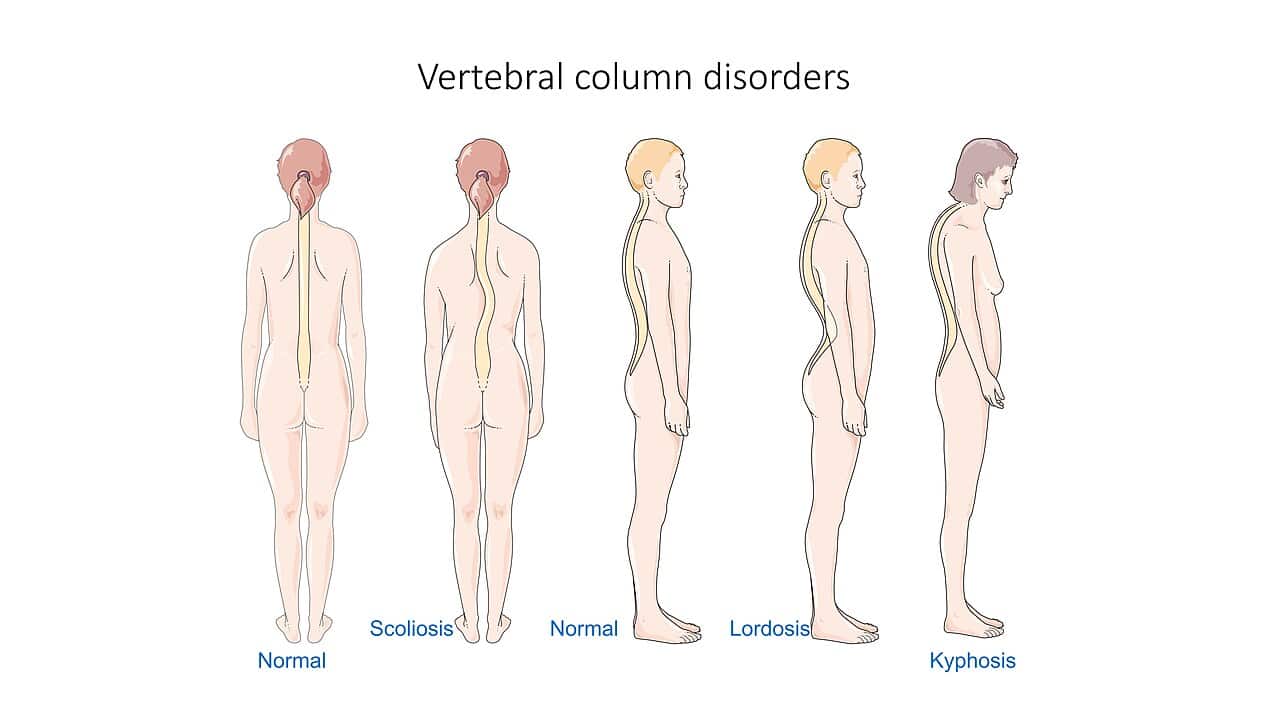
Scoliosis is a sideways curve of the spine, often with some twisting of the vertebrae. Seen from behind, a healthy spine looks straight. With scoliosis, it forms a C or S shape.
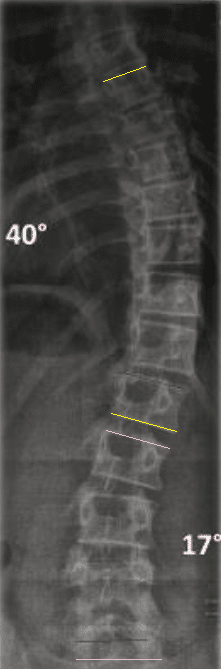
Curves are measured in degrees (the Cobb angle) on X-rays. Small curves are common and often need only monitoring. Larger curves, or curves that cause pain or nerve symptoms, may need bracing or surgery.
Types of Scoliosis
- Adult degenerative (de novo) scoliosis: develops later in life as discs and joints wear unevenly, often with spinal stenosis
- Adult idiopathic scoliosis: a curve that began earlier in life and progresses or becomes painful in adulthood
- Secondary scoliosis: curves that follow osteoporosis fractures, previous spine surgery or neuromuscular conditions
Symptoms
- Uneven shoulders or hips, or a prominence on one side of the back
- Low back pain and stiffness
- Leg pain, numbness or heaviness with walking (from stenosis)
- Leaning to one side or forward, and fatigue when standing
- Loss of height
When to seek care promptly: Rapid curve progression, new leg weakness, or bladder or bowel changes need prompt evaluation.
Causes and Risk Factors
- A curve that began earlier in life
- Age-related disc and joint degeneration in adults
- Osteoporosis and previous spine surgery
How We Diagnose Scoliosis
- Physical exam: posture, shoulder and hip height, the forward-bend test and a neurological check
- Full-length standing X-rays: measure the curve and overall balance of the spine
- MRI: checks for nerve compression and other causes of your symptoms
- CT scan: helps plan surgery when needed
Treatment Options
- Observation: regular check-ups and standing X-rays for smaller curves that aren’t causing symptoms
- Physical therapy: core strengthening and posture work
- Medications and injections for pain and nerve symptoms
- Bone health treatment when osteoporosis is present
When surgery makes sense
Surgery is considered when a curve is large or progressing, when it causes significant pain or nerve compression, or when it throws off your balance. Surgery can often correct the problem. Options include:
- Decompression: freeing pinched nerves, sometimes combined with a limited fusion
- Minimally invasive fusion: correcting and stabilizing part of the curve through smaller incisions
- Scoliosis and spinal deformity surgery: straightening and fusing the curve with screws and rods, with osteotomies when needed for rigid curves or forward lean
Why Choose Dr. Betsy Grunch for Scoliosis
- Duke-trained: neurosurgical residency and spine research fellowship at Duke University School of Medicine, where she received the Spine Young Investigator Award
- Experience you can count on: in practice since 2013, performing 400 to 600 surgeries a year and more than 5,000 procedures over her career
- Tailored correction: from targeted decompression to full deformity correction, matched to your symptoms and goals
- The right treatment for you: board-certified (FAANS, FACS, FCNS), she starts with the least invasive option that will work, and recommends surgery when it can correct the problem
- Clear answers: known online as Ladyspinedoc, she makes sure you understand your imaging and every option in front of you
What to Expect If You Need Surgery
Before surgery
You’ll meet with Dr. Grunch or one of her physician assistants to review your full-length X-rays and plan your procedure. Bone health testing and medical clearance are often part of preparation.
Procedure day
Surgery length and hospital stay depend on the number of levels treated, from one or two nights for a limited procedure to several days for a larger correction.
Recovery timeline
- First days: walking with help
- Weeks 1-6: gradual walking; no bending, lifting or twisting
- Months 2-3: physical therapy
- Months 6-12: the fusion becomes solid; larger corrections take up to a year to fully recover
Frequently Asked Questions
Will my curve get worse?
Many adult curves progress slowly over time, especially degenerative curves. Regular check-ups with standing X-rays track any change so treatment can be adjusted.
Does scoliosis cause pain?
Often. In adults, curves frequently come with arthritis and spinal stenosis, which can cause back and leg pain.
Can exercise fix scoliosis?
Exercise and therapy help with strength, posture and pain, but don’t straighten structural curves.
Is scoliosis surgery worth it for adults?
For the right patient with significant pain, nerve symptoms or imbalance, surgery can greatly improve quality of life. Dr. Grunch will discuss benefits, risks and recovery honestly.
Can I live a normal life with scoliosis?
Yes. Most people with scoliosis live full, active lives.
Take the First Step Toward Relief
Whether you need a diagnosis, a treatment plan or a second opinion, Dr. Grunch and the Southern Neurosurgery team are here to help.
Call 470-293-9800 to schedule an appointment or contact us online.
Have a question first? Ask our virtual assistant anything, 24/7.
We see patients across metro Atlanta and North Georgia at our offices in Gainesville, Sandy Springs and South Atlanta (Riverdale). Find the office nearest you.
This page is for educational purposes only and is not a substitute for medical advice. If you have sudden weakness, numbness in the groin, or bladder or bowel changes, call 911 or go to the nearest emergency room.