
Traumatic Nerve Injuries: Understanding Nerve Damage After an Injury
After an accident, cut or crush injury, new numbness, weakness or inability to move part of a limb needs prompt medical care. For serious injuries, call 911 or go to the nearest emergency room.
What Is a Traumatic Nerve Injury?
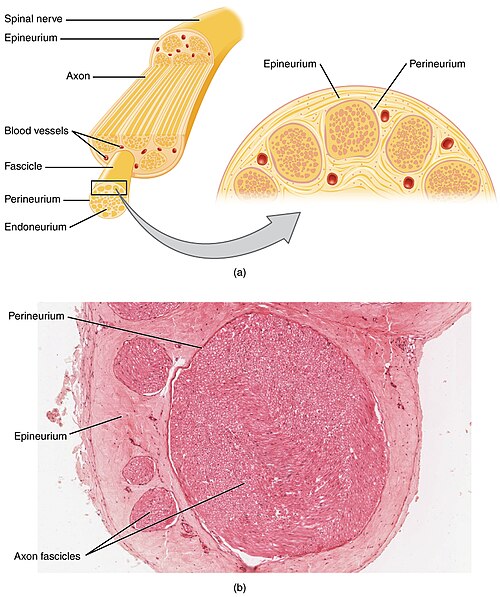
A traumatic nerve injury is damage to a peripheral nerve, one of the nerves that carry signals between the spinal cord and the rest of the body, caused by an injury. Nerves can be stretched, compressed, crushed or cut. Because nerves control both movement and sensation, an injury can cause weakness, numbness, pain or loss of function in the area the nerve supplies.
Types of Nerve Injury
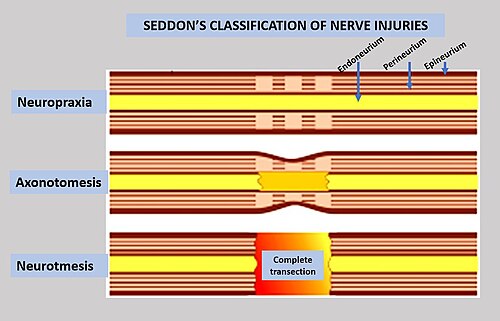
Nerve injuries are graded by how much of the nerve is damaged:
- Neurapraxia: the mildest type; the nerve is bruised or compressed but intact, and usually recovers within weeks to a few months
- Axonotmesis: the nerve fibers inside are damaged but the outer covering is intact; the nerve can regrow, but recovery takes months
- Neurotmesis: the nerve is completely cut or severely damaged; it usually can’t recover without surgery
Symptoms
- Numbness or tingling
- Weakness or paralysis of muscles supplied by the nerve
- Burning, shooting or electric pain
- Muscle wasting over time
- Changes in skin, sweating or temperature in the affected area
Causes
- Cuts and lacerations, including from glass, knives or machinery
- Fractures and dislocations
- Crush injuries
- Stretch injuries from falls or accidents
- Gunshot wounds
- Prolonged pressure or tight casts
- Injury during surgery or injections
How It’s Diagnosed
- Neurological exam: testing strength and sensation to identify which nerve is injured
- EMG/nerve conduction studies: usually done a few weeks after injury to measure severity, then repeated to track recovery
- Ultrasound or MRI: can show whether the nerve is intact, scarred or cut
- Spine evaluation: to rule out a nerve root problem in the neck or back
Treatment
Non-surgical care
Many stretch and compression injuries recover on their own. Care includes protecting the limb with splints or braces, physical and occupational therapy to maintain motion and strength, pain management, and repeat exams and nerve testing to track recovery.
If surgery is needed
A nerve that is cut usually needs to be repaired, ideally soon after the injury. Surgery may also be recommended when an injured nerve shows no recovery after about three months, or when scar tissue is compressing it. Options include nerve decompression to release a nerve from scar tissue, as well as nerve repair, grafting or transfers. Depending on the nerve and the type of injury, complex repairs may be performed by a peripheral nerve or upper extremity specialist.
Recovery
Nerves regrow slowly, about an inch a month, so recovery from more serious injuries can take months to more than a year. The closer the injury is to the muscle it controls, and the younger and healthier the person, the better the chance of recovery. Therapy throughout recovery is important.
Frequently Asked Questions
Will my nerve heal on its own?
Mild injuries often do. Nerves that are cut usually need surgical repair.
How long does nerve recovery take?
Weeks for mild injuries; months to more than a year for more serious ones.
Why does my doctor want to wait before nerve testing?
Nerve testing is most accurate about three to four weeks after the injury.
Is there a time limit for nerve surgery?
Yes. Muscles can lose the ability to recover if they go too long without a working nerve, which is why timely evaluation matters.
Can nerve pain be treated?
Yes. Medications, therapy and procedures can help. Learn more about neuropathic pain.
Evaluation and Follow-Up Care
For a new injury with weakness or numbness, call 911 or go to the nearest emergency room.
A traumatic nerve injury often begins with emergency care after an accident. Afterward, a careful evaluation helps sort out exactly which nerves are involved, whether the problem is coming from the spine or the nerves in the arm or leg, and what recovery to expect. If you’ve been referred for evaluation or follow-up, call 470-293-9800 or contact us online.
We see patients across metro Atlanta and North Georgia at our offices in Gainesville, Sandy Springs and South Atlanta (Riverdale). Find the office nearest you.
This page is for educational purposes only and is not a substitute for medical advice. If you have sudden, severe weakness or numbness, especially on one side of the body or with trouble speaking, call 911 or go to the nearest emergency room.