
Transverse Myelitis: Understanding Inflammation of the Spinal Cord
Weakness, numbness or tingling that spreads over hours to days, a band of tightness around the chest or belly, or new bladder or bowel problems need emergency care. Call 911 or go to the nearest emergency room.
What Is Transverse Myelitis?
Transverse myelitis is inflammation across a section of the spinal cord. The inflammation damages the insulating covering (myelin) of nerve fibers, interrupting messages between the brain and the body below that level. It can cause weakness, numbness, pain and bladder and bowel problems that develop over hours to days.
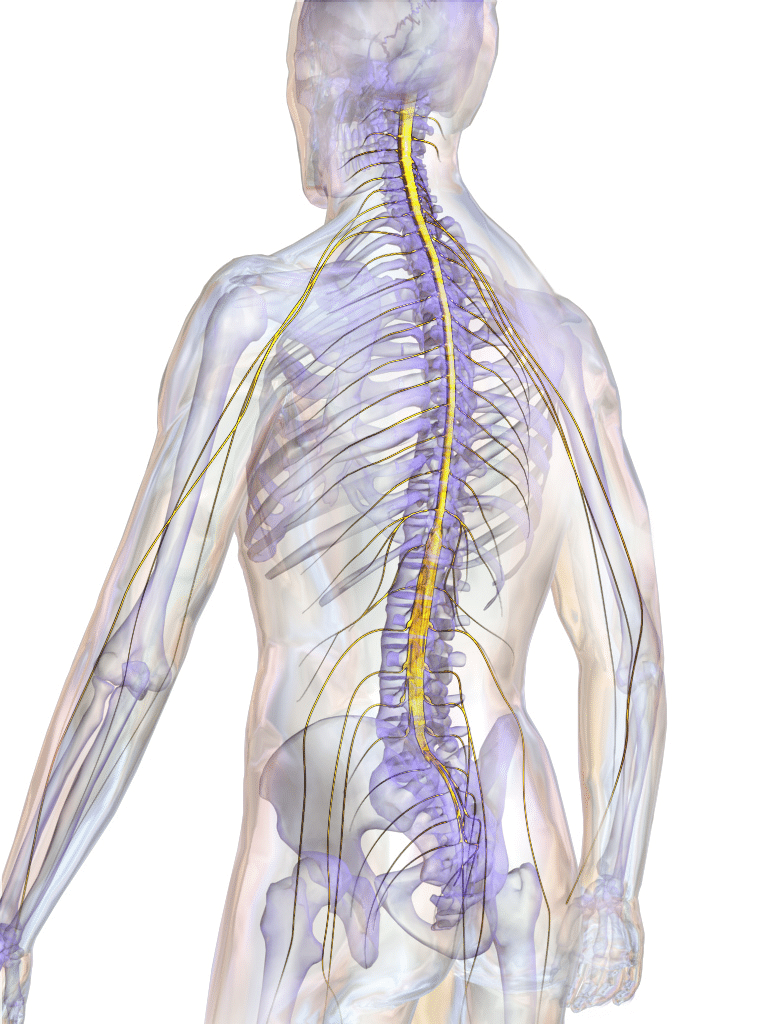
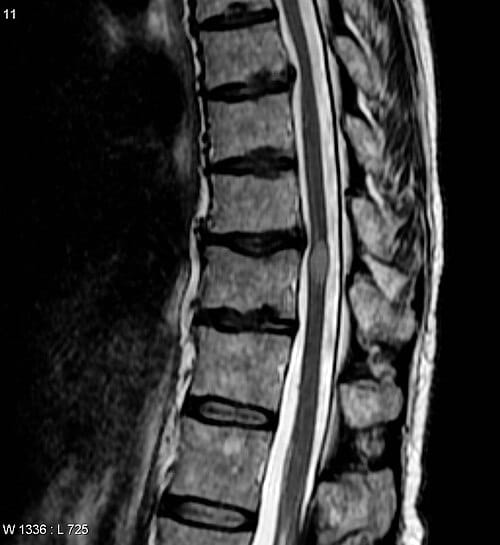
Transverse myelitis is usually treated by neurologists. Because a compressed spinal cord, from a herniated disc, tumor, abscess or bleeding, can cause very similar symptoms and needs urgent surgery, a key early step is imaging to rule out compression. That’s where a neurosurgical evaluation plays a role.
Symptoms
- Weakness in the legs and sometimes the arms, developing over hours to days
- Numbness, tingling or burning below a certain level of the body
- A tight band of sensation around the chest or abdomen
- Back or neck pain
- Bladder and bowel problems, such as urgency, retention or incontinence
- Sexual dysfunction
Causes
- Infections: viral, bacterial or other infections, or an immune reaction after an infection
- Autoimmune and inflammatory conditions: such as multiple sclerosis, neuromyelitis optica (NMO), MOG antibody disease, lupus or sarcoidosis
- Idiopathic: in many people, no cause is found
How It’s Diagnosed
- Urgent MRI of the spine and brain: rules out compression of the spinal cord and shows inflammation within it
- Lumbar puncture: spinal fluid testing for signs of inflammation or infection
- Blood tests: for infections and autoimmune conditions, including NMO and MOG antibodies
Treatment
Transverse myelitis is treated medically, usually by a neurology team:
- High-dose IV steroids: to reduce inflammation
- Plasma exchange: for severe cases or when steroids aren’t enough
- Treating the underlying cause: such as infection or autoimmune disease
- Rehabilitation: physical and occupational therapy to rebuild strength and function
- Managing symptoms: pain, spasticity, bladder and bowel function
Surgery doesn’t treat transverse myelitis itself. When imaging shows the symptoms are actually caused by spinal cord compression, such as a disc, tumor or abscess, surgery to relieve the pressure (spinal cord decompression) can often correct the problem. Learn more about spinal cord compression.
Recovery
Recovery usually begins within weeks and can continue for months to a couple of years. Many people make a good recovery, while others have lasting weakness, numbness or bladder problems. Rehabilitation is an important part of recovery.
Frequently Asked Questions
Is transverse myelitis the same as multiple sclerosis?
No, but it can be a first sign of MS or other conditions, which is why testing for an underlying cause is important.
Does transverse myelitis need surgery?
No. It’s treated with medications and rehabilitation. Surgery is only needed when imaging shows the spinal cord is being compressed instead.
Can it come back?
Most people have a single episode. It’s more likely to recur when it’s linked to conditions like MS or NMO.
How long does recovery take?
Improvement often begins within a few weeks and can continue for up to two years.
Why is an urgent MRI so important?
It quickly rules out spinal cord compression, which needs emergency surgery, and helps confirm the diagnosis.
Evaluation and Follow-Up
For new or worsening weakness, numbness or bladder problems, call 911 or go to the nearest emergency room.
If you’ve been referred to rule out spinal cord compression, or you have questions about your imaging, call 470-293-9800 or contact us online.
This page is for educational purposes only and is not a substitute for medical advice. If you have sudden weakness, numbness in the groin, or bladder or bowel changes, call 911 or go to the nearest emergency room.