
Idiopathic Intracranial Hypertension (Pseudotumor Cerebri): Protecting Your Vision
Daily headaches, a whooshing sound in your ears and blurry vision can be signs of high pressure around the brain. Idiopathic intracranial hypertension is treatable, and protecting your eyesight is the top priority.
What Is Idiopathic Intracranial Hypertension?
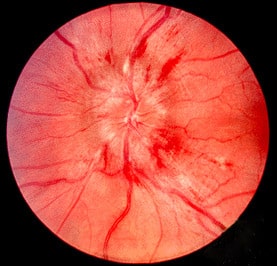
Idiopathic intracranial hypertension (IIH), also called pseudotumor cerebri (“false brain tumor”), is a condition in which the pressure of the cerebrospinal fluid (CSF) around the brain is too high, without a tumor or other clear cause. The extra pressure can cause headaches and, most importantly, swelling of the optic nerves (papilledema), which can lead to permanent vision loss if not treated.
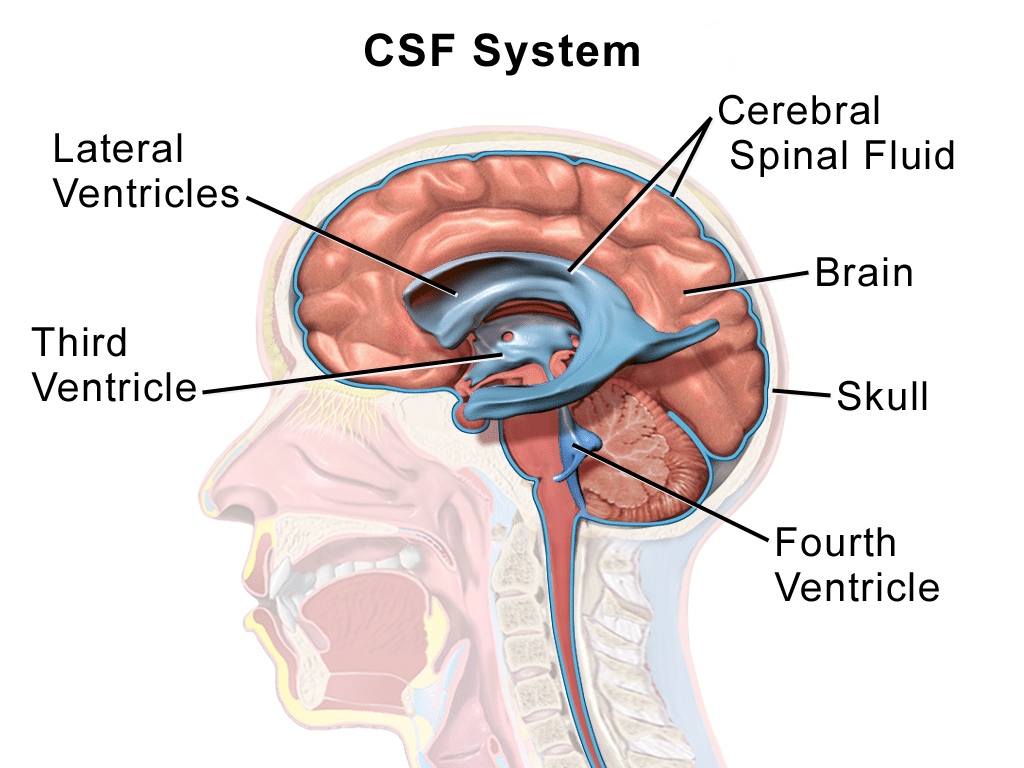
IIH most often affects women of childbearing age, particularly those who have gained weight recently, but it can occur in anyone. Most patients are managed with weight loss and medication, guided by a neuro-ophthalmologist and neurologist. Neurosurgery becomes part of care when vision is threatened or symptoms don’t respond to treatment.
Symptoms
Common symptoms
- Daily headaches, often worse in the morning or when lying down
- A whooshing or pulsing sound in the ears that matches your heartbeat (pulsatile tinnitus)
- Brief episodes of blurred or dimmed vision lasting seconds, often when standing up
- Double vision
- Neck, shoulder or back pain
- Nausea
Symptoms patients often ignore
- Gradual loss of side (peripheral) vision, which often goes unnoticed
- Headaches blamed on migraines or tension
- Vision changes during pregnancy or after starting certain medications
When it’s an emergency: Sudden or rapidly worsening vision loss needs emergency care. Call 911 or go to the nearest emergency room.
Causes and Risk Factors
- Female sex, especially ages 20 to 45
- Obesity or recent weight gain
- Certain medications, including some acne medications (isotretinoin, tetracyclines), excess vitamin A, growth hormone and steroid withdrawal
- Hormonal conditions and sleep apnea
- Narrowing of the large veins that drain blood from the brain (venous sinus stenosis), often seen in IIH
How We Diagnose IIH
- Eye exam: a dilated exam to look for optic nerve swelling, plus visual field testing and optical coherence tomography (OCT)
- MRI of the brain and MR venogram: to rule out a tumor, blood clot or other causes, and to look for signs of high pressure
- Lumbar puncture (spinal tap): measures the opening pressure of the spinal fluid and checks its contents
Treatment Options
Non-surgical treatment comes first
- Weight loss: even modest weight loss can lower pressure and lead to remission
- Medications: acetazolamide, topiramate or GLP-1 medications to reduce the production of cerebrospinal fluid; GLP-1 medications can also help with weight loss
- Stopping triggering medications
- Treating sleep apnea
- Regular eye exams to monitor vision
When surgery makes sense
Surgery is considered when vision is getting worse despite treatment, when vision loss is severe at diagnosis, or when headaches can’t be controlled. Options are chosen together with your neuro-ophthalmologist:
- CSF shunt: a ventriculoperitoneal (VP) or lumboperitoneal shunt drains extra fluid to lower pressure
- Optic nerve sheath fenestration: performed by an eye surgeon to protect vision
- Venous sinus stenting: performed by an interventional specialist when a narrowed vein is contributing
When surgery is needed, it can often correct the problem and protect your vision.
Why Choose Dr. Betsy Grunch for Idiopathic Intracranial Hypertension
- Duke-trained: neurosurgical residency and spine research fellowship at Duke University School of Medicine, where she received the Spine Young Investigator Award
- Experience you can count on: in practice since 2013, performing 400 to 600 surgeries a year and more than 5,000 procedures over her career
- Team approach: she works with neuro-ophthalmologists and neurologists so you get the right treatment at the right time
- The right treatment for you: board-certified (FAANS, FACS, FCNS), she starts with the least invasive option that will work, and recommends surgery when it can correct the problem
- Clear answers: known online as Ladyspinedoc, she makes sure you understand your imaging and every option in front of you
What to Expect If You Need Surgery
Before surgery
You’ll meet with Dr. Grunch or one of her physician assistants to review your imaging and eye exams and talk through whether a shunt is the right option. Our team coordinates with your other doctors.
Procedure day
Shunt surgery usually takes about an hour, and most patients stay in the hospital one to two days.
Recovery timeline
- Days 1-2: monitoring; headaches often improve
- Weeks 1-4: incision healing and gradual return to activity
- Ongoing: regular eye exams and follow-up to monitor vision and the shunt
Frequently Asked Questions
Is pseudotumor cerebri a brain tumor?
No. The name means “false brain tumor” because the symptoms can mimic a tumor, but there is no tumor.
Can IIH cause blindness?
Untreated, it can cause permanent vision loss. With proper monitoring and treatment, most people keep their vision.
Will losing weight really help?
Yes. Weight loss is one of the most effective treatments and can lead to remission for many patients.
Can IIH come back?
It can, especially with weight regain, so ongoing eye exams are important.
Is IIH dangerous during pregnancy?
IIH can occur or worsen during pregnancy. It’s usually manageable, but treatment options change, so close monitoring with your care team is important.
Take the First Step Toward Relief
Whether you need a diagnosis, a treatment plan or a second opinion, Dr. Grunch and the Southern Neurosurgery team are here to help.
Call 470-293-9800 to schedule an appointment or contact us online.
Have a question first? Ask our virtual assistant anything, 24/7.
We see patients across metro Atlanta and North Georgia at our offices in Gainesville, Sandy Springs and South Atlanta (Riverdale). Find the office nearest you.
This page is for educational purposes only and is not a substitute for medical advice. If you have a sudden severe headache, a seizure, new weakness or numbness, confusion, or trouble speaking or seeing, call 911 or go to the nearest emergency room.