
Peroneal Nerve Injury: Treatment for Foot Drop
Catching your toes on the ground, tripping or slapping your foot when you walk can be signs of foot drop. One of the most common causes is a pinched or injured peroneal nerve at the knee, and finding the cause early gives the best chance of recovery.
What Is a Peroneal Nerve Injury?
The common peroneal (fibular) nerve branches off the sciatic nerve behind the knee and wraps around the outside of the leg just below the knee, at the head of the fibula bone. There it sits just under the skin, which makes it easy to compress or injure. It controls the muscles that lift the foot and toes and turn the foot outward, and gives feeling to the top of the foot and outer lower leg.
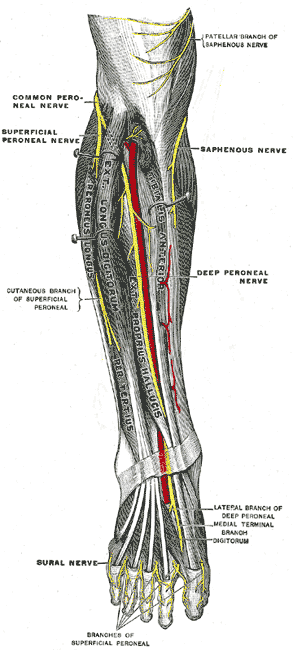
When this nerve is injured, the result is often foot drop: trouble lifting the front of the foot, which causes the toes to drag or the foot to slap when walking.
Symptoms
Common symptoms
- Foot drop: trouble lifting the foot and toes
- Toes dragging or catching, tripping, or a “slapping” gait
- Lifting the knee higher than usual to clear the foot (steppage gait)
- Numbness or tingling on the top of the foot and outer lower leg
- Weakness turning the foot outward
Symptoms patients often ignore
- Frequent ankle sprains or rolling the ankle
- Pain or tingling at the outside of the knee when it’s tapped
- Symptoms after recent weight loss or a period of sitting cross-legged
Causes and Risk Factors
- Habitually crossing the legs or squatting for long periods
- Rapid or significant weight loss, which removes padding around the nerve
- Knee injuries, dislocations or fractures of the fibula
- Tight casts, braces or compression stockings
- Prolonged bed rest or positioning during surgery
- Cysts or tumors near the knee
- Diabetes
How We Diagnose a Peroneal Nerve Injury
- Exam: testing foot and ankle strength and sensation, and tapping over the nerve at the knee
- EMG/nerve conduction studies: confirm the nerve is injured at the knee and measure severity
- Ultrasound or MRI: look for a cyst, mass or other cause of compression
- Spine evaluation: a pinched L5 nerve root in the lower back (sciatica) is another common cause of foot drop and must be ruled out
Treatment Options
Non-surgical treatment comes first
- Removing the source of pressure: avoid crossing the legs and adjust braces or casts
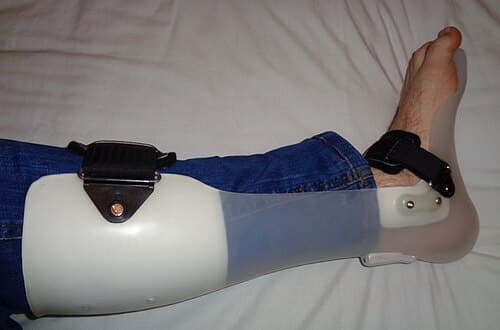
- Ankle-foot orthosis (AFO): a lightweight brace that holds the foot up so you can walk safely while the nerve heals
- Physical therapy: to maintain range of motion and strength
- Monitoring: many compression injuries improve over weeks to months
When surgery makes sense
Surgery is recommended when there’s no improvement after about three months, when a cyst or mass is compressing the nerve, or after significant injury. Peroneal nerve decompression frees the nerve at the outside of the knee through a small incision. It’s an outpatient procedure that can often correct the problem and help foot strength recover. More severe injuries may need nerve repair, grafting or tendon transfers.
Why Choose Dr. Betsy Grunch for Peroneal Nerve Injury
- Duke-trained: neurosurgical residency and spine research fellowship at Duke University School of Medicine, where she received the Spine Young Investigator Award
- Experience you can count on: in practice since 2013, performing 400 to 600 surgeries a year and more than 5,000 procedures over her career
- Back or knee? She can tell: as a neurosurgeon who treats the spine and peripheral nerves, she can sort out whether foot drop comes from the lower back, the knee or both
- The right treatment for you: board-certified (FAANS, FACS, FCNS), she starts with the least invasive option that will work, and recommends surgery when it can correct the problem
- Clear answers: known online as Ladyspinedoc, she makes sure you understand your imaging and every option in front of you
What to Expect If You Need Surgery
Before surgery
You’ll meet with Dr. Grunch or one of her physician assistants to review your exam, nerve testing and imaging and plan the procedure.
Procedure day
Peroneal nerve decompression usually takes under an hour, and you go home the same day.
Recovery timeline
- Weeks 1-2: walking right away, usually with your brace; incision healing
- Weeks 2-6: return to normal daily activities
- Months 3-12: foot strength and sensation can continue to improve as the nerve recovers
Frequently Asked Questions
Will my foot drop go away?
Many cases caused by compression improve over weeks to months. Recovery depends on how severe and long-standing the injury is.
Can crossing my legs really cause foot drop?
Yes. Habitual leg crossing presses the nerve against the bone at the outside of the knee, especially after weight loss.
How do I know if it’s my back or my knee?
Exam and nerve testing tell the difference. Back pain or pain down the leg points to the spine, while symptoms after leg crossing point to the knee. Some people have both.
Do I have to wear a brace forever?
Not usually. The brace helps you walk safely while the nerve recovers.
Is surgery outpatient?
Yes. Most patients go home the same day.
Take the First Step Toward Relief
Whether you need a diagnosis, a treatment plan or a second opinion, Dr. Grunch and the Southern Neurosurgery team are here to help.
Call 470-293-9800 to schedule an appointment or contact us online.
Have a question first? Ask our virtual assistant anything, 24/7.
We see patients across metro Atlanta and North Georgia at our offices in Gainesville, Sandy Springs and South Atlanta (Riverdale). Find the office nearest you.
This page is for educational purposes only and is not a substitute for medical advice. If you have sudden, severe weakness or numbness, especially on one side of the body or with trouble speaking, call 911 or go to the nearest emergency room.