
Discitis: Treating an Infected Spinal Disc
Severe back pain that won’t let you get comfortable in any position, sometimes after a recent surgery or infection, can mean a disc in your spine is infected. Most patients recover fully with the right diagnosis and treatment.
What Is Discitis?
Discitis is an infection or inflammation of an intervertebral disc, the cushion between two bones of the spine. In adults, it most often happens when bacteria reach the disc through the bloodstream or after spine surgery or a procedure. Because the disc has very little blood supply of its own, infection often spreads into the neighboring vertebrae (spinal osteomyelitis). Doctors often call this combination spondylodiscitis.
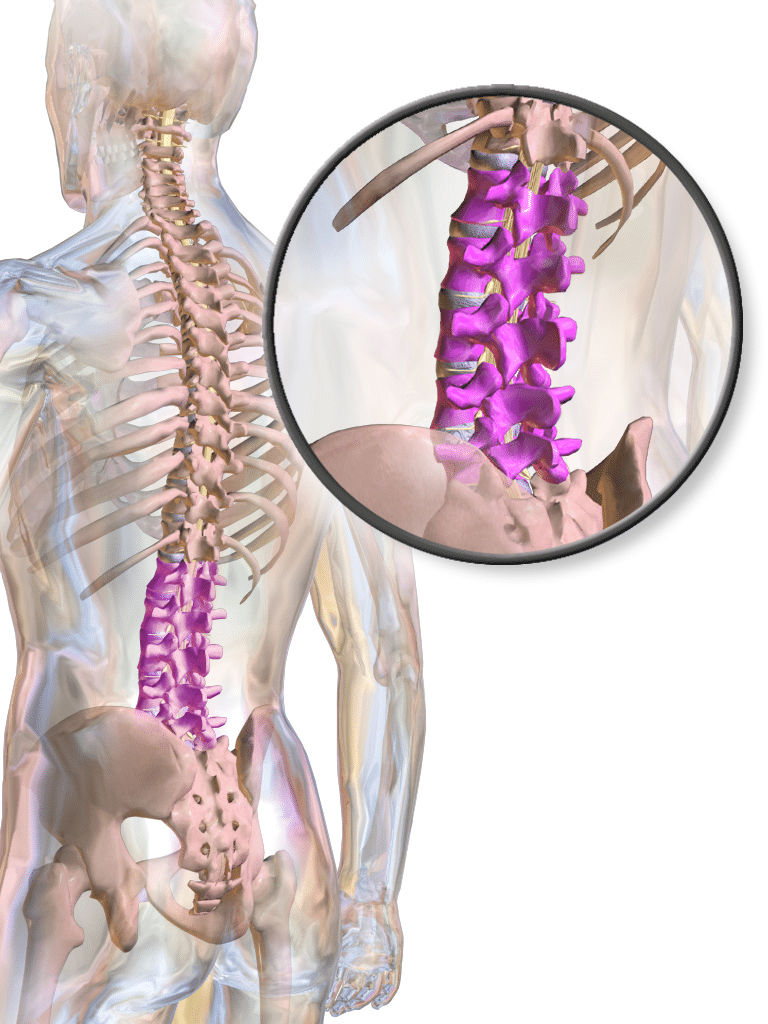
Most discitis is treated with antibiotics, rest and bracing. Surgery is needed when there is an abscess, pressure on the nerves or spinal cord, instability, or an infection that doesn’t respond. In those cases, surgery can often correct the problem.
What’s Happening in Your Spine
Each disc has a tough outer ring and a gel-like center. When bacteria settle in the disc, the body’s response breaks down the disc and the bone endplates above and below it. The disc space collapses, which causes intense pain with movement and can lead to instability or a forward-bent posture if not treated.
Symptoms of Discitis
Common symptoms
- Severe, constant back or neck pain that worsens with any movement
- Pain that doesn’t improve with rest and is often worse at night
- Muscle spasm and stiffness
- Fever, chills or night sweats (not everyone has a fever)
Symptoms patients often ignore
- Back pain that gets worse instead of better in the weeks after spine surgery
- Back pain with unexplained fatigue or weight loss
- Pain radiating into the abdomen, hips or legs
- In children, refusing to walk, sit or bend
When it’s an emergency: Fever with severe back pain, new weakness or numbness, or bladder or bowel changes need emergency care. Call 911 or go to the nearest emergency room.
Causes and Risk Factors
- Bloodstream spread from an infection elsewhere, such as the skin, urinary tract or heart valves; staph is the most common cause
- Spine surgery or procedures such as discectomy, injections or discography (postoperative infections)
- Risk factors: diabetes, IV drug use, kidney disease, a weakened immune system, older age and recent infection
How We Diagnose Discitis
- Blood tests: ESR and CRP (markers of inflammation), white blood cell count and blood cultures
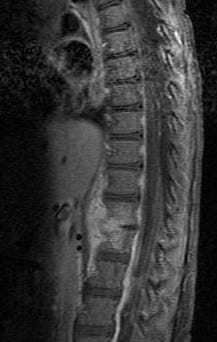
- MRI with contrast: the most sensitive test to show disc infection, nearby bone involvement and any abscess
- X-rays and CT: show disc space collapse and bone changes
- CT-guided biopsy: identifies the germ so the most effective antibiotic can be chosen
Treatment Options
Non-surgical treatment comes first
- Antibiotics: usually six weeks or longer, often IV at first, coordinated with infectious disease specialists
- Bracing: to support the spine and reduce pain while it heals
- Pain control and gradual activity
- Monitoring: blood tests and follow-up imaging to confirm the infection is clearing
When surgery makes sense
Surgery is recommended for an abscess, compression of the spinal cord or nerves, instability or deformity, or an infection that isn’t responding to antibiotics. Surgery can often correct the problem by removing infected disc and bone (debridement), relieving pressure on the nerves and stabilizing the spine with a fusion. When infection has damaged the vertebrae, a vertebral corpectomy may be needed.
What to Expect
Treatment course
Most patients receive at least six weeks of antibiotics, often at home or at an infusion center. Pain usually improves steadily as the infection clears.
Recovery timeline
- Weeks 1-6: antibiotics, bracing and gradual walking
- Weeks 6-12: repeat blood tests and imaging; activity increases as pain settles
- Months 3-12: the disc space often heals and fuses on its own; return to normal activities
Frequently Asked Questions
Is discitis contagious?
No. It’s an infection inside the spine and isn’t spread to other people.
Can I get discitis after back surgery?
It’s uncommon, but it can happen. Back pain that worsens rather than improves in the weeks after surgery, especially with fever, should be checked right away.
Will I need surgery?
Most patients are treated successfully with antibiotics and bracing. Surgery is reserved for abscesses, nerve compression, instability or infections that don’t respond.
How long until I feel better?
Many patients notice less pain within a few weeks of starting antibiotics, though full healing takes months.
Will I have back pain afterward?
Many people recover well. Some have lasting stiffness or pain, especially if the disc space collapses, and treatment options are available if that happens.
Concerned About an Infection After Surgery?
If you’ve had spine or brain surgery and notice fever, chills, redness, swelling or drainage from your incision, or pain that is getting worse instead of better, call the surgeon who performed your operation right away. If you can’t reach them, or you have new weakness or numbness, confusion, a stiff neck with severe headache, or bladder or bowel changes, go to the nearest emergency room or call 911.
This page is for educational purposes only and is not a substitute for medical advice. If you have fever with severe back or neck pain, sudden weakness, numbness in the groin, or bladder or bowel changes, call 911 or go to the nearest emergency room.