
Brain Abscess: Recognizing and Treating an Infection in the Brain
Headache with fever, confusion, a seizure, new weakness, trouble speaking or a stiff neck needs emergency care. Call 911 or go to the nearest emergency room.
What Is a Brain Abscess?
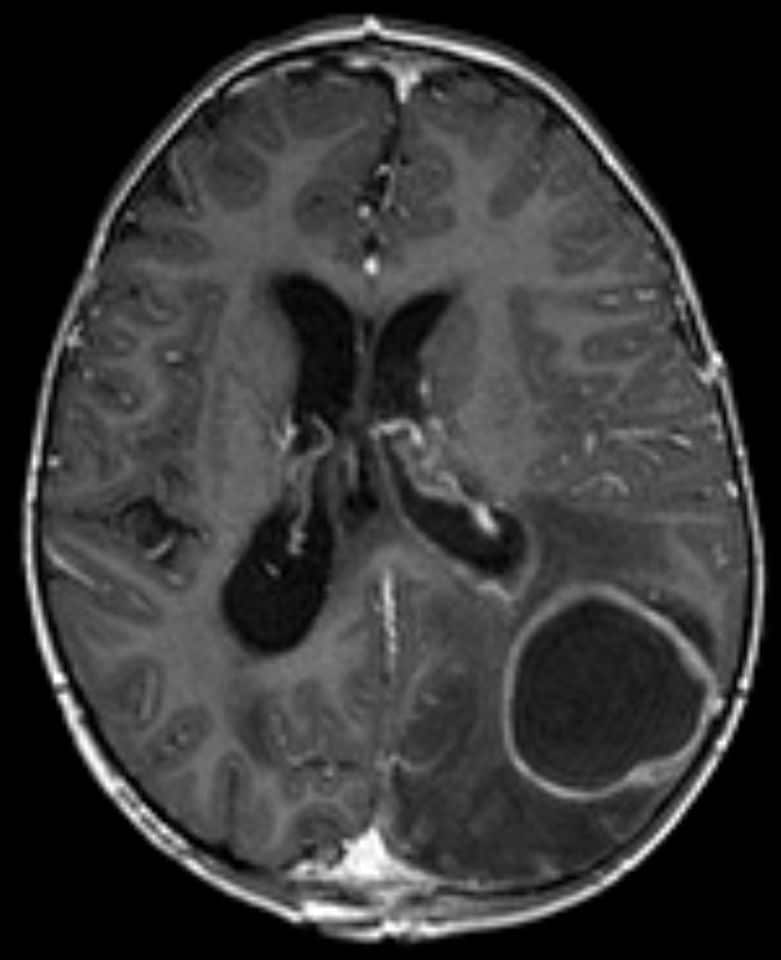
A brain abscess is a pocket of pus that forms in the brain when bacteria or, less often, fungi or parasites infect brain tissue. The body walls off the infection, creating a collection that can grow and press on the brain. A brain abscess is a serious, potentially life-threatening condition, but with prompt diagnosis and treatment, many people recover well.
Causes
- Spread from a nearby infection: such as a sinus, middle ear, mastoid or dental infection
- Spread through the bloodstream: from infections elsewhere, such as the heart valves (endocarditis), lungs or skin
- Head injury: especially penetrating injuries or open skull fractures
- Brain surgery: an uncommon complication of neurosurgical procedures
Risk Factors
- A weakened immune system, including from HIV, cancer treatment, organ transplant medications or long-term steroids
- Untreated sinus, ear or dental infections
- Congenital heart disease
- Recent head injury or brain surgery
- IV drug use
Symptoms
- Headache, often worsening and not relieved by usual medications
- Fever (not always present)
- Confusion, drowsiness or changes in behavior
- Seizures
- Weakness, numbness or trouble speaking
- Vision changes
- Nausea and vomiting
- Stiff neck
How It’s Diagnosed
- MRI with contrast: shows a ring-shaped lesion with swelling around it; special sequences help tell an abscess apart from a tumor
- CT scan: often the first test in the emergency room
- Blood tests and blood cultures
- Testing the abscess fluid: collected during drainage, to identify the germ and guide antibiotics
- Looking for the source: such as imaging of the sinuses or an echocardiogram of the heart
Treatment
Antibiotics
Treatment includes IV antibiotics, usually for six to eight weeks, often coordinated with infectious disease specialists. Some small abscesses can be treated with antibiotics alone.
Surgery
Most abscesses larger than a small size, or those causing pressure, need drainage. Surgery identifies the germ, relieves pressure and helps antibiotics work, and can often correct the problem:
- Needle aspiration: draining the abscess through a small hole using image guidance (brain abscess drainage)
- Craniotomy: to remove the abscess when needed
Supportive care
- Seizure medications
- Steroids in some cases to reduce swelling
- Treating the original source of infection, such as the sinuses or teeth
Recovery
Recovery depends on the abscess’s size and location and how quickly treatment started. Patients typically need several weeks of IV antibiotics, often at home, along with repeat MRI scans to confirm the abscess is shrinking. Some people need rehabilitation for weakness, speech or thinking problems, and some need long-term seizure medication.
Frequently Asked Questions
Is a brain abscess contagious?
No. A brain abscess itself isn’t spread from person to person.
Can a sinus or tooth infection really spread to the brain?
Rarely, yes. That’s one reason untreated sinus, ear and dental infections should be taken seriously.
Will I need surgery?
Many patients do, to drain the abscess and identify the germ. Some small abscesses respond to antibiotics alone.
How long will I be on antibiotics?
Usually six to eight weeks, guided by repeat imaging.
Can a brain abscess come back?
It can, especially if the original source isn’t treated. Follow-up imaging is important.
Concerned About an Infection After Surgery?
If you’ve had brain surgery and notice fever, worsening headache, confusion, or redness, swelling or drainage from your incision, call the surgeon who performed your operation right away. If you can’t reach them, or you have a seizure, new weakness or trouble speaking, go to the nearest emergency room or call 911.
This page is for educational purposes only and is not a substitute for medical advice. If you have a sudden severe headache, a seizure, new weakness or numbness, confusion, or trouble speaking or seeing, call 911 or go to the nearest emergency room.