
Brachial Plexus Injuries: Understanding Nerve Injuries of the Shoulder and Arm
After an accident, sudden weakness, numbness or paralysis of the arm needs emergency care. Call 911 or go to the nearest emergency room.
What Is a Brachial Plexus Injury?
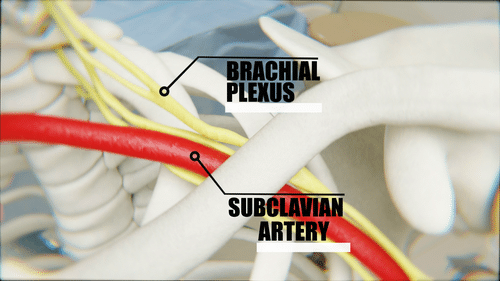
The brachial plexus is a network of nerves that starts at the spinal cord in the neck (the C5 through T1 nerve roots), passes under the collarbone and into the armpit, and branches into the nerves that control the shoulder, arm and hand. A brachial plexus injury happens when these nerves are stretched, compressed or torn.
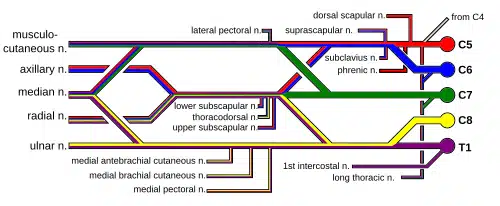
Injuries range from mild “stingers” that recover in minutes to severe injuries where nerve roots are pulled away from the spinal cord (avulsion), causing lasting paralysis of the arm. Understanding exactly where and how badly the nerves are injured guides treatment and recovery.
Types of Injury
- Neurapraxia (stretch): the nerve is stretched but intact; usually recovers on its own
- Rupture: the nerve is torn, but not where it attaches to the spinal cord
- Avulsion: the nerve root is pulled from the spinal cord; the most severe type
- Neuroma: scar tissue forms as the nerve heals, interfering with recovery
Symptoms
- Weakness or paralysis of the shoulder, arm or hand
- Numbness or loss of feeling in the arm
- Burning or electric pain, which can be severe with avulsion injuries
- A “stinger” or “burner”: a sudden shock down the arm after a hit, common in contact sports
- A drooping eyelid and small pupil on the same side (Horner’s syndrome), which can signal a severe injury near the spinal cord
Causes
- Motorcycle and car accidents
- Falls onto the shoulder
- Contact sports
- Penetrating injuries
- Childbirth (in newborns)
- Tumors or radiation therapy
- Inflammation of the plexus without injury (brachial neuritis or Parsonage-Turner syndrome)
How It’s Diagnosed
- Detailed neurological exam: testing each muscle and area of sensation to map which nerves are affected
- EMG/nerve conduction studies: usually done three to four weeks after the injury, then repeated to track recovery
- MRI or CT myelogram: show nerve root avulsions and other damage near the spine
- X-rays: for fractures of the collarbone, shoulder or neck
- Neck evaluation: a pinched nerve root in the neck can mimic a plexus injury
Treatment
Non-surgical care
Many stretch injuries recover on their own over weeks to months. Care focuses on physical and occupational therapy to keep joints flexible and muscles active, pain management for nerve pain, and repeat exams and nerve testing to track recovery.
If surgery is needed
Surgery may be recommended for nerve ruptures and avulsions, or when there’s no recovery after about three to six months. Timing matters, because muscles can’t be reinnervated if surgery is delayed too long. Brachial plexus surgery, including nerve grafts and nerve transfers, is highly specialized, and patients who need it are typically referred to a dedicated peripheral nerve or upper extremity specialist.
Recovery
Nerves regrow slowly, about an inch a month, so recovery can take many months to years. Therapy throughout recovery helps maximize function. Pain from avulsion injuries can be difficult to treat and may need specialized pain management.
Frequently Asked Questions
Will my arm recover?
It depends on the type of injury. Stretch injuries often recover fully. Ruptures and avulsions usually need surgery and recover more slowly and incompletely.
What is a “stinger”?
A brief stretch injury of the brachial plexus, common in football, that causes a burning shock down the arm. Symptoms that don’t resolve quickly or happen repeatedly should be evaluated.
Why wait several weeks for nerve testing?
Nerve damage doesn’t show up on EMG until about three to four weeks after the injury.
Is there a deadline for surgery?
Yes. Nerve surgery works best within about six months of injury, before muscles lose the ability to recover.
Can the pain be treated?
Yes. Medications, therapy and, in some cases, procedures can help nerve pain.
Evaluation and Follow-Up Care
For a new injury with arm weakness or numbness, call 911 or go to the nearest emergency room.
A brachial plexus injury often begins with emergency care after an accident. Afterward, a careful evaluation helps sort out exactly which nerves are involved, whether the problem is coming from the neck or the nerves in the arm, and what recovery to expect. If you’ve been referred for evaluation or follow-up, call 470-293-9800 or contact us online.
We see patients across metro Atlanta and North Georgia at our offices in Gainesville, Sandy Springs and South Atlanta (Riverdale). Find the office nearest you.
This page is for educational purposes only and is not a substitute for medical advice. If you have sudden, severe weakness or numbness, especially on one side of the body or with trouble speaking, call 911 or go to the nearest emergency room.